Culturelle Daily Probiotic -- Best for Daily Gut Maintenance
Culturelle uses Lactobacillus rhamnosus GG (LGG), the single most clinically studied probiotic strain with over 1,000 published studies. Each capsule contains 10 billion CFUs and is shelf-stable without refrigeration. The simple single-strain formula is easier to attribute effects to and has a long safety record.
Check price on Amazon →The best probiotics deliver clinically studied strains in effective doses. These five picks cover different digestive goals from daily maintenance to post-antibiotic recovery.
Note: Probiotics are dietary supplements, not medicines. They are not intended to diagnose, treat, cure, or prevent any disease. Consult a healthcare provider if you have a digestive condition, are immunocompromised, or are considering probiotics for a specific health concern.
Gut health research has expanded significantly, and not all probiotics are equal. Strain selection, CFU count at expiration (not at manufacture), and delivery technology determine whether a probiotic survives stomach acid and reaches the intestines where it can be useful.
These five options represent well-researched, transparently formulated probiotics across different needs and price points.
| Product | Best For | Rating |
| — | — | — |
| Culturelle Daily Probiotic | Daily gut maintenance | 4.6/5 |
| Garden of Life RAW Probiotics | Whole-food formulation | 4.5/5 |
| Florastor Daily Probiotic | Post-antibiotic recovery | 4.7/5 |
| Seed DS-01 Daily Synbiotic | Comprehensive synbiotic | 4.5/5 |
| Renew Life Ultimate Flora | High-potency daily | 4.4/5 |
How we picked
We compare every pick against the field on real specifications, certifications, and aggregated owner reviews. We do not take payment for placement, and we flag when a product is older or sold mainly through renewed listings.
Top picks compared
| Pick | Best for | Score | |
|---|---|---|---|
| Culturelle Daily Probiotic -- Best for Daily Gut Maintenance | Check price | ||
| Garden of Life RAW Probiotics -- Best Whole-Food Formulation | Check price | ||
| Florastor Daily Probiotic -- Best for Post-Antibiotic Recovery | Check price | ||
| Seed DS-01 Daily Synbiotic -- Best Comprehensive Synbiotic | Check price | ||
| Renew Life Ultimate Flora Extra Care -- Best High-Potency Daily | Check price |
Our picks up close
Culturelle Daily Probiotic -- Best for Daily Gut Maintenance
Culturelle uses Lactobacillus rhamnosus GG (LGG), the single most clinically studied probiotic strain with over 1,000 published studies. Each capsule contains 10 billion CFUs and is shelf-stable without refrigeration. The simple single-strain formula is easier to attribute effects to and has a long safety record.
Garden of Life RAW Probiotics -- Best Whole-Food Formulation
Garden of Life RAW Probiotics uses a multi-strain blend with a whole-food base that includes digestive enzymes and vitamins. The formula contains 100 billion CFUs from 34 probiotic strains plus prebiotics. Third-party certified by NSF and Non-GMO Project, the transparency in sourcing is above average.
Florastor Daily Probiotic -- Best for Post-Antibiotic Recovery
Florastor uses Saccharomyces boulardii, a yeast-based probiotic rather than a bacterial one. This distinction matters during antibiotic use: antibiotics kill bacteria but do not affect yeast. Florastor continues working throughout a course of antibiotics and is one of the few probiotics with robust clinical evidence specifically for antibiotic-associated diarrhea prevention.
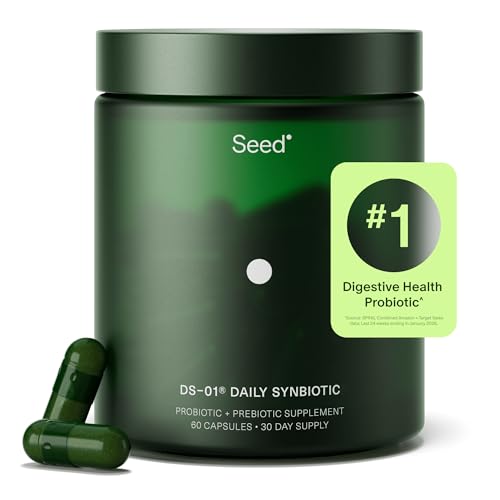
Seed DS-01 Daily Synbiotic -- Best Comprehensive Synbiotic
Seed DS-01 combines 24 clinically studied bacterial strains with a prebiotic outer capsule derived from Indian pomegranate. The nested capsule delivery system protects the inner probiotic through stomach acid. At 53.6 billion AFUs (active fluorescent units, their preferred measurement), it is a high-potency formulation.

Renew Life Ultimate Flora Extra Care -- Best High-Potency Daily
Renew Life Ultimate Flora Extra Care delivers 50 billion CFUs from 12 Lactobacillus and Bifidobacterium strains. The delayed-release capsule resists stomach acid dissolution. It requires refrigeration to maintain potency and is certified gluten-free and dairy-free.
Before you buy
What to consider
Start with your goal. For daily maintenance and general digestive comfort, a single-strain product with LGG or LGG-like clinical backing is the most straightforward choice. For antibiotic use, Saccharomyces boulardii specifically. For broader gut microbiome support, a multi-strain product with diverse Lactobacillus and Bifidobacterium strains adds coverage.
What to consider
Look for CFU count at expiration, not manufacture. Some labels list CFUs at manufacture, which decline significantly before the product is consumed. Delivery technology matters: delayed-release or nested capsules protect organisms through stomach acid. Third-party testing certifications (NSF, USP, Informed Sport) indicate the label claims are verified.
What to consider
For more health and supplement guidance, see our [best omega-3 supplements](/articles/best-omega-3-supplements) and [best magnesium supplements](/articles/best-magnesium-supplements) reviews. Learn how we evaluate products at [/methodology](/methodology).
Quick answers
Research suggests 1-10 billion CFUs is effective for general gut health maintenance. Higher doses (10-50 billion CFUs) are often recommended for specific conditions like IBS or post-antibiotic recovery. More CFUs is not always better -- the strain type and whether it survives stomach acid to reach the gut matters more than raw CFU count.
Some probiotics require refrigeration to maintain live culture viability. Others use shelf-stable encapsulation technology that protects organisms at room temperature. Check the product label. If a probiotic does not specify refrigeration, it should use documented shelf-stable delivery technology to be effective.