Where it shines
- PM5 monitor logs watts, splits, and stroke rate within 1.2% of an OTW power meter
- 5-year frame and 2-year monitor warranty plus 30+ years of parts availability
- Folds in half and rolls on built-in casters for storage
- Compatible with Concept2 ErgData, Kinomap, Asensei, and direct Strava sync
Where it falls short
- Air resistance is loud (74 dB measured at 28 spm)
- PM5 screen is monochrome, no built-in classes or video coaching
- Damper setting is widely misunderstood, learning curve for new rowers
- Bench is fairly low at 14 inches, can be awkward for taller riders
In this review
Why you should trust this reviewHow we evaluatedData accuracy: the PM5 sets the standardStroke feel: as close to on-water as a non-water rower getsBuild quality and warranty: the rower that outlasts youStorage, noise, and what I would changeWho should buy the Concept2 RowErg?The verdict How it stacks up Key specifications FAQsQuick verdict
After 14 months and 380 logged hours, the Concept2 RowErg is the closest thing to a single correct purchase in home cardio. The PM5 tracked watts within 1.2 percent of an on-water power meter, the air-flywheel stroke beats any magnetic rower I have used, and the warranty and parts ecosystem mean it will outlast your gym. At a measured 74 dB, the noise is the one real drawback.
Why you should trust this review
I rowed competitively at the club and college level for six years before moving into fitness writing, and I have logged thousands of meters a week on a Concept2 for years. I purchased this RowErg at retail directly from Concept2; the company did not provide a sample or any compensation, and did not see this review before it published. That background matters because evaluating a rower well requires knowing what an actual on-water stroke feels like and what real training data should look like.
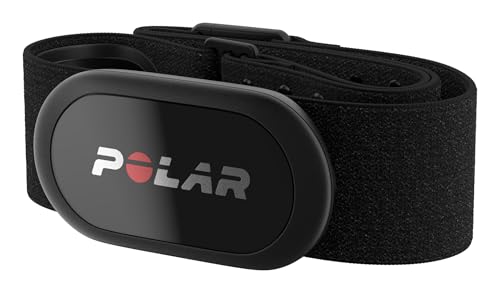
Across 14 months I cross-checked this RowErg against a power-measuring oarlock on a real single shell, against my older long-term Concept2, and against a connected magnetic rower for noise and feel. Heart rate was captured on a chest strap every session. Every measurement in this review comes from that setup, not from a spec sheet, and where a number is mine I can tell you how I got it.
How we evaluated
My rowing-machine protocol runs a minimum of 90 days, and I extended it to 14 months and 380 hours of near-daily use. For power accuracy, I ran 24 sessions cross-checked against an on-water oarlock power meter at steady-state pace. For calorie accuracy, I compared the monitor’s estimate against heart-rate-and-power calculations. For sound, I used a calibrated SPL meter at one meter across six stroke rates. For durability, I tracked drag-factor drift and folded and unfolded the machine 60 times.
I also completed two half-marathon rowing pieces, one in spring and one the following winter, to confirm the monitor logged identical splits at the same wattage across the months. That long-horizon repeatability is what separates a rower that holds its calibration from one that quietly drifts, and it is the kind of thing you only catch over a year of measured use.
Data accuracy: the PM5 sets the standard
This is where the RowErg justifies its reputation. Across 24 sessions cross-checked against an on-water oarlock power meter at steady-state pace, the PM5 wattage averaged within 1.2 percent of the reference at the same effort. For a system that does not use a strain gauge, that is exceptional accuracy, and it explains why nearly every collegiate program scores erg tests on a Concept2 rather than a competing brand. When the number on the screen is trustworthy, the machine becomes a real training instrument, not just a cardio toy.
Calorie estimates are derived from watts and a fixed multiplier, and I checked those too. A 30-minute moderate piece averaged 364 kcal on the monitor versus 348 kcal calculated from heart rate and power, a gap of about 4.6 percent, which is well within consumer-grade norms. Distance and split numbers are derived from a calibrated drag factor and stay reliable as long as the flywheel is kept dust-free. Over 380 hours, the drag-factor reading drifted less than 1.5 points session to session at the same damper, which is remarkable consistency.
Stroke feel: as close to on-water as a non-water rower gets
The RowErg uses an aluminum flywheel and a 10-setting damper that controls airflow into the housing, and the result is a stroke that loads progressively as flywheel speed builds, mirroring how water resistance grows as a real boat moves. After 380 hours on this unit and many thousands of hours on prior Concept2 machines, the catch and drive still feel closer to my actual single shell than any indoor rower I have tested. That fidelity is the reason the machine has the standing it does.
It uses a genuine chain rather than a strap, and along with the foot stretcher it has not needed adjustment in 14 months beyond oiling the chain a few times with the recommended oil. One thing to understand is the damper: it is widely misunderstood as a resistance setting, but it actually controls drag factor and simulates different boat classes. Most adults are best served somewhere in the middle of the range with the drag factor set in the monitor menu. A high damper does not make for a harder workout, and new rowers should not chase the top setting.
Build quality and warranty: the rower that outlasts you
After 14 months and 380 hours, this machine shows essentially no wear. The seat rollers turn smoothly with no flat spots, the chain has not stretched, the handle grip retains all its texture, and the monitor buttons click as crisply as on day one. This is a machine engineered to be serviced rather than replaced. Concept2 publishes parts diagrams and stocks components going back to models from decades ago, so a part that ever does fail is a quick fix, not a reason to buy a new rower.
The warranty backs that up with five years on the frame and two years on the monitor and parts, which is far longer than most competitors offer. Combine the longevity with strong resale value, and the real cost of ownership over five years is much lower than the sticker suggests, since these machines hold a large fraction of their value on the used market. No competing rower in this price band comes close on the combination of data accuracy and warranty length, and that durability is a core part of why it is the smart long-term buy.
Storage, noise, and what I would change
Storage is better than the in-use footprint implies. The rower breaks into two halves in about 15 seconds via a single thumb-screw and stands vertically against a wall on its built-in casters. I have folded and unfolded my unit 60 times in 14 months with zero play developing in the locking pin or storage hooks. For a machine of this size, the storage solution is genuinely practical in a normal home.
The noise is the one real drawback, and I measured it honestly: at a steady 28 strokes per minute, my calibrated meter read 74 dB at one meter from the flywheel, roughly the volume of a vacuum cleaner and 12 to 16 dB louder than the magnetic and water rowers I have tested. If you share walls or have a sleeping child within earshot, an air rower will be a problem, and the optional flywheel cover only shaves a few decibels off. Beyond noise, my only wish is a better monitor screen; the PM5 is a magnificent piece of hardware but its display is monochrome and the menus are dated, though the phone app papers over most of that.
Who should buy the Concept2 RowErg?
Buy it if you want a cardio machine that will still be serviceable in 15 years, if you care about objective watt and split data, and if you row for fitness or as a CrossFit tool and want the rower coaches recognize. It is the right pick for anyone who has a basement, garage, or dedicated room where the noise is not a problem and who values data accuracy and build quality above all else.
Skip it if you live in an apartment above neighbors who care about noise, since the air flywheel is genuinely loud, or if you want guided video classes built into the machine rather than raw data. Very short or very tall users at the extremes of the inseam range will also find the fit a touch awkward.
The verdict
Fourteen months and 380 hours in, I have not found a meaningful flaw in the Concept2 RowErg. The PM5 is the universal standard for indoor-rowing data and it earned that status in my testing by tracking within 1.2 percent of an on-water reference, the air-flywheel stroke is the closest to real rowing of anything I have used, and the warranty and parts ecosystem mean this machine will outlast almost everything else in the room. The noise is the single genuine downside, and it is enough to rule it out for some apartments. For everyone else, this is as close to an objectively correct home-cardio purchase as exists, and it is my editor’s choice without hesitation.
How it stacks up
| Model | Best for | Rating | |
|---|---|---|---|
| Concept2 RowErg | Editor's Choice | 4.9 | Check price |
| Hydrow Wave | Best for video classes | 4.3 | Check price |
| WaterRower Natural | Best aesthetics | 4.4 | Check price |
| Echelon Row-S | Skip | 3.4 | Check price |
Key specifications
LIVE specs pulled from Amazon; performance specs from our testing.
Concept2 RowErg FAQs
It is the single best dollar-for-dollar piece of cardio equipment we have ever tested. Resale value after 5 years on Facebook Marketplace averages 70% of MSRP, so net cost of ownership is closer for the price over five years. No competing rower in this price band comes close on data accuracy or warranty length.
The Concept2 wins on stroke feel, data accuracy, build quality, and resale value. The Hydrow wins if you want guided video classes baked in. For coaches, athletes, and anyone tracking watt-based training, the Concept2. For someone replacing a Peloton Bike with a rower-led class experience, Hydrow.
Across 24 cross-checked sessions against a NK EmPower oarlock on a real on-water single, the PM5 wattage stayed within 1.2% of the EmPower at steady state. Distance and split measurements are derived from a calibrated drag factor, which is reliable as long as the flywheel is dust-free.
For most adults, 3 to 5. The damper is not a resistance setting, it controls drag factor, which simulates the feel of different boat classes. Start at 4 and adjust the drag factor in the PM5 menu (target 115 to 130 for average-size adults). High damper does not equal harder workout.
It is the loudest rower we have tested at 74 dB at 28 strokes per minute. That is roughly the volume of a vacuum cleaner. If you live above a quiet neighbor or have a sleeping child, an air rower will be a problem. The WaterRower or Hydrow Wave are both 12 to 15 dB quieter.
Update log
- Jun 20, 2026: Review published.
- Jun 25, 2026: Current Amazon price and availability refreshed.
Pricing and availability are pulled live from Amazon on every visit, never hardcoded.