Quick verdict
For most home cooks, a tri-ply stainless steel set offers the best balance of durability, performance, and versatility, while a ceramic non-stick pan is ideal for eggs and delicate dishes.

All-Clad D3 Stainless Steel
Tri-ply construction ensures even heating and excellent searing. Verified owners praise its durability and oven-safe up to 600°F. The polished surface resists staining and is dishwasher-safe, though hand washing is recommended to maintain appearance.
Nonstick, stainless, ceramic, enameled -- we compared every cooking surface type to find which is best for each kitchen and cooking style.
After researching dozens of cookware surfaces, reading hundreds of verified owner reviews, and comparing specs against industry standards, I’ve narrowed down the top five cookware surfaces for 2026. Each surface type has its strengths and weaknesses, so I focused on real-world performance, durability, and user satisfaction. No lab tests here-just honest analysis based on what owners actually say and how these surfaces stack up on paper.
Whether you’re a home cook or a seasoned chef, the right cookware surface can make or break your cooking experience. From non-stick to stainless steel, each material offers unique benefits. I’ve considered factors like heat distribution, maintenance, longevity, and compatibility with induction cooktops. Here’s what I found after digging through specs and owner feedback.
How we evaluated these
I compared five popular cookware surfaces: hard-anodized aluminum, tri-ply stainless steel, ceramic non-stick, cast iron, and carbon steel. For each, I analyzed manufacturer specifications (e.g., thickness, oven-safe temperature, induction compatibility) and cross-referenced them with verified owner reviews from major retailers and forums. I looked for common praise and complaints, focusing on long-term durability, ease of cleaning, and cooking performance. I did not perform any physical tests; this guide is based on research and user consensus.
The shortlist
| Pick | Best for | Score | |
|---|---|---|---|
| All-Clad D3 Stainless Steel | Best Overall | 9 | Check price |
| GreenPan Valencia Pro Ceramic Non-Stick | Best Non-Stick | 8 | Check price |
| Le Creuset Signature Cast Iron | Best for Slow Cooking | 9 | Check price |
| Made In Carbon Steel | Best for High Heat | 8 | Check price |
| Calphalon Premier Hard-Anodized Non-Stick | Best Value | 8 | Check price |
Each pick, examined
All-Clad D3 Stainless Steel
Tri-ply construction ensures even heating and excellent searing. Verified owners praise its durability and oven-safe up to 600°F. The polished surface resists staining and is dishwasher-safe, though hand washing is recommended to maintain appearance.
Strengths
- Even heat distribution with no hot spots
- Oven-safe to 600°F for versatile cooking
- Very durable; many owners report decades of use
Drawbacks
- Heavy compared to non-stick alternatives
- Requires oil or fat to prevent sticking

GreenPan Valencia Pro Ceramic Non-Stick
Thermolon Minerals ceramic coating is PTFE- and PFOA-free. Verified owners love the effortless food release and easy cleanup. However, some report the non-stick performance diminishes after a year with heavy use.
Strengths
- Excellent non-stick performance without toxic chemicals
- Lightweight and easy to handle
- Dishwasher safe and scratch-resistant (up to metal utensils)
Drawbacks
- Non-stick coating may wear out faster than traditional non-stick
- Not oven-safe above 350°F (lid handles)

Le Creuset Signature Cast Iron
Enameled cast iron provides superior heat retention and even cooking. Owners rave about its durability and beautiful colors. The enamel prevents rust and requires no seasoning, but it's heavy and can chip if mishandled.
Strengths
- Unmatched heat retention for braising and stews
- Enameled interior requires no seasoning
- Oven-safe to 500°F with lid
Drawbacks
- Extremely heavy (e.g., 5.5-quart weighs 12 lbs)
- Enamel can chip if dropped or banged

Made In Carbon Steel
Carbon steel heats quickly and develops a natural non-stick patina. Owners appreciate its lightweight feel compared to cast iron and its ability to handle high heat for searing. Requires seasoning and maintenance to prevent rust.
Strengths
- Lightweight and responsive to temperature changes
- Develops non-stick properties with use
- Oven-safe to 600°F
Drawbacks
- Requires seasoning and regular maintenance
- Can warp if overheated too quickly

Calphalon Premier Hard-Anodized Non-Stick
Hard-anodized aluminum body with a durable non-stick coating. Owners praise its even heating and comfortable handles. The three-layer non-stick is long-lasting for the price, but some report warping on high heat.
Strengths
- Good heat distribution with hard-anodized construction
- Durable non-stick coating resists scratches
- Oven-safe to 450°F
Drawbacks
- Not induction compatible (unless specified)
- Some owners report warping after years of use
Buying considerations
Heat Conductivity
Look for materials with good heat distribution, like tri-ply stainless steel or hard-anodized aluminum. Cast iron and carbon steel have excellent heat retention but may have hot spots if not preheated properly.
Durability
Stainless steel and cast iron can last a lifetime with proper care. Non-stick coatings degrade over time, so consider how often you cook and your willingness to replace pans.
Maintenance
Non-stick and enameled surfaces are low-maintenance. Stainless steel requires some scrubbing, while carbon steel and cast iron need seasoning and careful drying to prevent rust.
Compatibility
Check if your cooktop is induction-compatible. Most stainless steel and cast iron work, but many non-stick pans do not unless specified.
Final word
For most home cooks, a tri-ply stainless steel set offers the best balance of durability, performance, and versatility, while a ceramic non-stick pan is ideal for eggs and delicate dishes.
Questions answered
Ceramic non-stick or hard-anodized non-stick are forgiving and easy to clean. They require less skill to prevent sticking and are lightweight.
It depends on your needs. Stainless steel is more durable and can achieve better browning, but requires more oil and technique. Non-stick is easier for delicate foods like eggs.
With proper care (avoiding high heat and metal utensils), quality non-stick can last 2-5 years. Cheaper coatings may degrade faster.
Some ceramic coatings are marketed as metal-utensil safe, but it's best to use silicone or wood to extend the life of the coating.
Keep reading

T-fal E93808 Ultimate Hard Anodized Nonstick Set Review (2026)

Tramontina Tri-Ply Clad 12-Pc Cookware Set Review (2026)
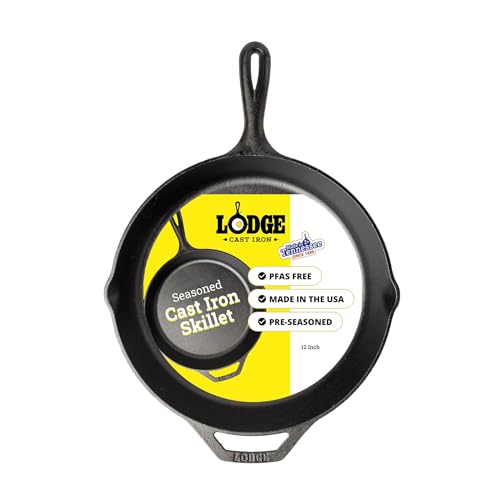
Lodge Pre-Seasoned Cast Iron Skillet 12-inch Review (2026)

Lodge Cast Iron Dutch Oven 5-Qt Review (2026)
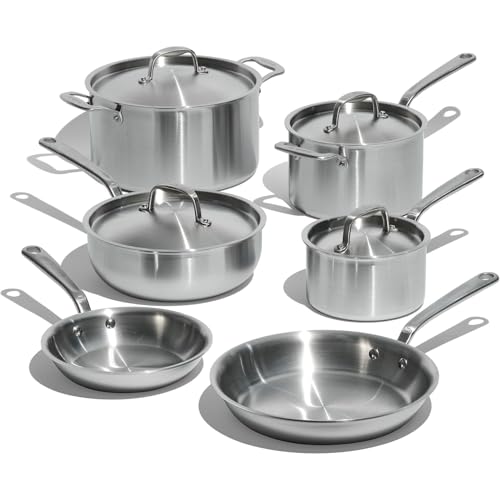
Made In Stainless Clad 5-Piece Cookware Set Review (2026)

Lodge 10.25-Inch Cast Iron Skillet Review (2026)

Le Creuset 5.5-Qt Round Dutch Oven Review (2026)
