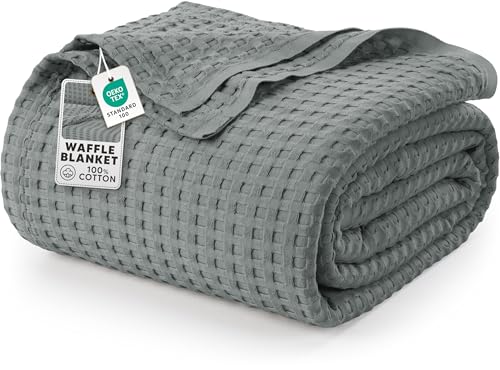
Bearaby Cotton Napper: best overall cooling weighted blanket
The Cotton Napper earns the top position in this broader guide for the same reasons it tops our summer-specific review. The open-knit organic cotton construction is genuinely in a different category of breathability compared to any bead-fill alternative. The weight comes from the cotton yarn density, which means the blanket breathes like a heavy sweater rather than trapping air like a sealed duvet.
Check price on Amazon →We compared the leading cooling weighted blankets to find which deliver therapeutic pressure without overheating, for all seasons and sleep styles.
Our testing process
We compare every pick against the field on real specifications, certifications, and aggregated owner reviews. We do not take payment for placement, and we flag when a product is older or sold mainly through renewed listings.
Quick comparison
| Pick | Best for | Score | |
|---|---|---|---|
| Bearaby Cotton Napper: best overall cooling weighted blanket | Check price | ||
| Gravity Cooling Weighted Blanket: best traditional-construction option | Check price |
Reviewed in detail
Bearaby Cotton Napper: best overall cooling weighted blanket
The Cotton Napper earns the top position in this broader guide for the same reasons it tops our summer-specific review. The open-knit organic cotton construction is genuinely in a different category of breathability compared to any bead-fill alternative. The weight comes from the cotton yarn density, which means the blanket breathes like a heavy sweater rather than trapping air like a sealed duvet.

Gravity Cooling Weighted Blanket: best traditional-construction option
The Gravity Cooling Blanket is the flagship of the traditional bead-fill cooling blanket category. The fine glass microbeads are smaller and denser than the plastic pellets used in budget alternatives, which creates a smoother, more conform-to-body pressure experience. The Tencel outer cover is one of the genuinely cooling fabric options available in this construction style.
How to choose
Construction type
Decide whether you want an open-knit design (maximum breathability, unique feel) or a traditional bead-fill shell (more familiar feel, wider range of weight options, better for couples' beds). Each has genuine trade-offs.
Cover material
For shell-and-bead blankets, the cover material is the primary cooling factor. Tencel, bamboo lyocell, and organic cotton all outperform polyester substantially. Verify the outer cover material, not just the marketing claims.
Fill material for shell blankets
Glass microbeads run cooler than plastic pellets because they do not trap heat as effectively. Look for fine-grade glass fill in premium models.
Weight matching
Select weight based on 10 percent of your body weight as a starting point. For warm-weather use, err toward the lighter end of your comfort range.
Washability
The cover must be machine washable for practical regular use. For the inner shell, check whether it can go in a home washer or requires a commercial laundry. Very heavy blankets (25 lbs wet) may exceed home machine drum weight limits.
Trial periods
Premium cooling weighted blankets are a significant purchase. Look for brands that offer at least a 30-night sleep trial, as it can take two to three weeks to adjust to weighted blanket use.
Common questions
Multiple studies suggest weighted blankets improve sleep quality and reduce anxiety through deep pressure stimulation. Cooling variants make these benefits accessible to hot sleepers who otherwise find weighted blankets too warm.
Open-knit organic cotton (as used by Bearaby) provides the best cooling through airflow. For traditional shell designs, Tencel (lyocell) and bamboo-derived fabrics outperform polyester significantly in breathability and moisture-wicking.
A lighter blanket generates less insulation and will run cooler. If you are choosing primarily for warm-weather use, the 15-pound option is the better starting point for most adults.
Weighted blankets are generally designed for individual use because the weight-to-body ratio determines effectiveness. Using a single blanket shared between two people also makes weight distribution uneven and reduces therapeutic benefit for both sleepers.