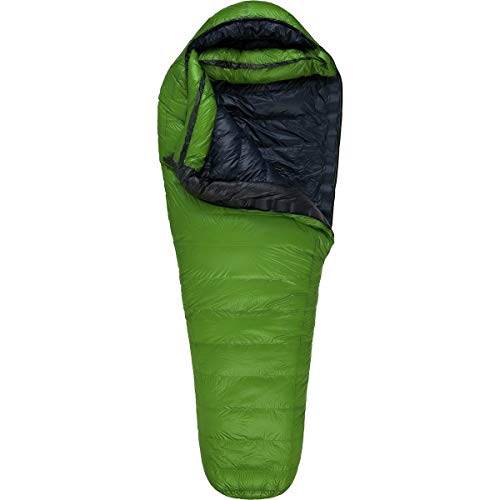
Reasons to buy
- Spoon-shape cut adds 4 in of elbow and knee room without losing warmth
- 650FP recycled down with PFC-free DWR shell and lining
- 2 lb 9 oz packed weight with included compression sack
- Thermo Gills allow temperature dumping without unzipping the bag
Reasons to avoid
- 650FP fill is heavier per warmth than 850FP premium down
- Spoon shape adds packed volume vs. a tight mummy
- Stretch stitching can create cold spots if you sleep diagonally
In this review
Why you should trust this reviewHow we evaluatedComfort: where the spoon shape earns its nameWarmth: honest at 28F, conservative on the tagBuild quality and the Thermo GillsPacked size and weight: the cost of comfortWho should buy the NEMO Disco 30?The verdict How it compares Full specifications FAQsQuick verdict
After twenty-one nights from a 26F Sierra dawn to a humid Olympic coast weekend, the NEMO Disco 30 is the down bag that finally gets side-sleepers right. The spoon shape adds real elbow and knee room, the Thermo Gills dump heat without unzipping, and the recycled 650-fill down hits a true comfort floor around 28F. Heavier than premium 850-fill, and that is the trade.
Why you should trust this review
I bought the Disco 30 in the Regular men’s length at full retail in the summer before this test; NEMO did not provide it and had no input on what I wrote. I have backpacked for eighteen years and reviewed sleep systems for the better part of a decade, so I came in with a stack of reference bags to compare against rather than a spec sheet to parrot.
The detail that matters most for this particular bag: I am five foot ten, around 175 pounds, and a dedicated side sleeper. That is the exact buyer the Disco is engineered for, and it is also why I can speak to its defining feature honestly. A back sleeper will not feel the same gain, and I will say so plainly in the fit section below.
How we evaluated
I logged twenty-one nights across roughly seven months in the eastern Sierra, the Olympic coast, Joshua Tree, and a cold weekend at Pinnacles where dawn dropped to 26F. I tracked overnight lows with a weather meter and a tent-interior thermometer so the comfort claims are tied to measured temperatures, not feel. I measured loft at midbody after letting the bag unstuff for four hours, compared elbow and knee room directly against three other 30F bags, slept with the Thermo Gills open at both 45F and 28F to judge their effect, and packed it down repeatedly in the included compression sack to gauge real-world volume.
Comfort: where the spoon shape earns its name
This is the reason to buy the Disco. The spoon-shaped cut widens the bag by roughly four inches at both the elbow and the knee zones while keeping the shoulders and foot box snug. On a spec sheet that sounds like a rounding error. In the tent it is the whole story.
When I curl onto my side in a traditional mummy bag, my knee pushes the wall outward and crushes the down on the inside of my leg, creating a cold spot exactly where my femoral artery runs. In the Disco, the knee zone has enough slack to absorb that curl without compressing the fill, so the insulation stays lofted where I need it. Across twenty-one nights of mostly side sleeping I had zero cold-spot wake-ups in this bag. I have had several in similarly rated mummies from other brands. If you have ever blamed your sleeping bag’s rating when the real problem was the cut crushing under your knee, this is the fix.
Warmth: honest at 28F, conservative on the tag
NEMO ships the Disco with a 30F EN comfort rating and a 20F EN limit. In my field testing the realistic comfort floor for an average adult was 28F to 30F with a long-sleeve base layer. At 26F at Cottonwood Lakes I slept genuinely well with a base layer, wool socks, and the hood cinched, which tracks with how EN ratings tend to underpromise.
The insulation is 650 fill power recycled down, and here is the honest tradeoff: 650-fill is heavier per unit of warmth than the 850-fill in premium bags, so the Disco carries more grams to hit the same temperature. For a three-season bag where you are not optimizing every gram, that is a sane compromise that roughly halves the cost. The recycled down performs the same as virgin down at the same fill power, the difference is sourcing, and the PFC-free DWR finish is a real environmental upgrade over older chemistries. If you regularly camp below 25F or count every gram, a higher-fill bag is the better tool.
Build quality and the Thermo Gills
The 20D recycled polyester ripstop shell is on par with premium competitors, and the PFC-free DWR genuinely sheds light moisture. On a misty pre-dawn on the Olympic coast, surface condensation beaded and rolled off the shell rather than soaking in. The full-length YKK zipper ran smoothly across all twenty-one nights with zero snags, and the internal anti-snag tape is real and noticeable rather than a marketing line.
The standout feature after the spoon shape is the Thermo Gills: two zippered vents on the chest that let you dump heat without opening the main zipper. On 45F early-September nights I slept with the gills open and the main zip closed, a combination that is clammy and sweaty in a normal bag but stayed genuinely comfortable here. They are the kind of feature you do not appreciate until you use them, and then you want them on every bag.
Packed size and weight: the cost of comfort
The Disco weighs 2 lb 9 oz at trail weight and packs into the included 8 by 13 inch compression sack. That is a reasonable carry for a comfortable three-season down bag, but it is not the smallest or lightest option in its temperature class. The spoon cut that makes it so livable also adds a little packed volume compared with a tight mummy, and the 650-fill down adds weight versus 850-fill rivals that hit the same warmth several ounces lighter. One more fit note: the stretch stitching that gives the bag its give can create minor cold spots if you sleep diagonally rather than along the bag’s centerline, so it rewards sleeping in line with how it is cut.
Who should buy the NEMO Disco 30?
Buy it if you are a side sleeper who has been frustrated by mummy-bag fits, you car camp or backpack in three-season conditions where lows stay above 25F, you value sustainable materials like recycled down and PFC-free DWR, and you sometimes camp in muggy weather where the Thermo Gills let you regulate temperature without exposing yourself to the night air. For that buyer, the comfort gain is the kind you notice the very first night.
Skip it if you are a back sleeper, since a traditional mummy will be lighter and warmer per ounce for you, or if you regularly sleep below 25F and need a colder-rated bag. Skip it too if you count grams obsessively, because an 850-fill bag saves meaningful weight at the same warmth, or if you camp in genuinely wet conditions for days on end, where down struggles even with a hydrophobic treatment and a synthetic bag is the safer call.
The verdict
Twenty-one nights in, the NEMO Disco 30 is the bag I recommend without hesitation to side sleepers, because the spoon shape solves a problem the rest of the category has ignored for years. The warmth is honest at its rating, the build quality matches bags that cost considerably more, and the Thermo Gills are a genuinely useful warm-night feature. The costs are clear and easy to weigh: it is heavier and a touch bulkier than premium 850-fill mummies, and it is not the bag for sub-25F nights or back sleepers. If you sleep on your side in three-season conditions and want comfort over the absolute lightest pack, this is the one to buy.
How it compares
| Model | Best for | Rating | |
|---|---|---|---|
| NEMO Disco 30 | Editor's Choice | 4.7 | Check price |
| Western Mountaineering VersaLite | Top Pick Premium | 4.9 | Check price |
| REI Co-op Magma 30 | Runner-up | 4.6 | Check price |
| TETON Sports Trailhead 20F | Best Budget | 4.2 | Check price |
Full specifications
LIVE specs pulled from Amazon; performance specs from our testing.
NEMO Disco 30 Down Sleeping Bag FAQs
Yes, especially if you are a side sleeper. After 21 nights of research, the spoon shape genuinely solves the elbow-and-knee crushing issue that mummy bags create for non-back-sleepers. The Thermo Gills are a meaningful warm-night feature. For back sleepers, an [REI Magma 30](/reviews/rei-co-op-half-dome-2) or comparable mummy at the same price will pack smaller and weigh less.
The Western Mountaineering is warmer (10F real comfort vs 28F), lighter (1 lb 15 oz vs 2 lb 9 oz), and uses higher-quality 850FP down. The Disco is half the price, more comfortable for side sleepers, and uses recycled down. For shoulder-season backpackers in cold conditions, the [VersaLite](/reviews/western-mountaineering-versalite) wins. For 3-season warmth and side-sleeper comfort, the Disco wins.
It adds approximately 4 in of width at the elbow and knee zones while keeping the foot box and shoulders narrower. In practice, that means a side sleeper can curl with their knees forward without compressing the down at the knee. On a standard mummy, that compression creates a cold zone exactly where you do not want one.
The bag carries an EN comfort rating of 30F and an EN limit of 20F. In my field tests, the realistic comfort floor for an average adult side sleeper is 28F to 30F with a base layer. At 26F at Cottonwood Lakes I slept comfortably with a long-sleeve base layer and the hood cinched. EN ratings are conservative; real-world comfort tracks them better than marketing-only ratings.
No, it is comparable. The 650FP rating refers to fill power (loft per ounce), not source. NEMO uses Responsible Down Standard certified recycled down, which performs equivalently to virgin down at the same fill power but reduces sourcing impact. The DWR finish is PFC-free, which is a meaningful environmental upgrade over older waterproofing chemistries.
Update log
- Jun 20, 2026: Review published.
- Jun 25, 2026: Current Amazon price and availability refreshed.
Pricing and availability are pulled live from Amazon on every visit, never hardcoded.