
Milwaukee 2530-20: the compact saw for tight-access cutting
The Milwaukee 2530-20 with a 5-3/8-inch blade is the most compact circular saw in our test group. Its minimum clearance for a horizontal cut was 7.2 inches, which allowed it to operate in access locations that the 6-1/2-inch models could not reach. For electricians making access cuts in ceilings and walls, this compact advantage is the primary reason to choose the Milwaukee over larger alternatives.
Check price on Amazon →We compared the best cordless compact circular saws for trim cuts, sheet goods, and tight-space work. These smaller saws surprised us with their capability.
Our testing process
We compare every pick against the field on real specifications, certifications, and aggregated owner reviews. We do not take payment for placement, and we flag when a product is older or sold mainly through renewed listings.
Quick comparison
| Pick | Best for | Score | |
|---|---|---|---|
| Milwaukee 2530-20: the compact saw for tight-access cutting | Check price | ||
| DeWalt DCS391B: the 6-1/2-inch compact with more depth capacity | Check price |
Reviewed in detail
Milwaukee 2530-20: the compact saw for tight-access cutting
The Milwaukee 2530-20 with a 5-3/8-inch blade is the most compact circular saw in our test group. Its minimum clearance for a horizontal cut was 7.2 inches, which allowed it to operate in access locations that the 6-1/2-inch models could not reach. For electricians making access cuts in ceilings and walls, this compact advantage is the primary reason to choose the Milwaukee over larger alternatives.
DeWalt DCS391B: the 6-1/2-inch compact with more depth capacity
The DeWalt DCS391B offers a 6-1/2-inch blade on a compact body, providing more cutting depth (2-1/4 inches at 90 degrees) than the Milwaukee while still being noticeably lighter and shorter than a full 7-1/4-inch saw. For users who need occasional 2x6 depth cuts but still want a lighter, more maneuverable saw than standard, the DeWalt strikes a good balance. It is the better choice if tight-space access is not your primary concern.
How to choose
Blade size
5-3/8-inch blades offer maximum compactness but limit cutting depth. 6-1/2-inch blades provide more cutting capacity with moderate size reduction over 7-1/4-inch saws.
Cutting depth at 90 degrees
Match the cutting depth to the thickest material you regularly cut. A minimum of 1-11/16 inches handles 2x4 at 90 degrees; 2-1/4 inches handles 2x6.
Battery platform
M12 is the most compact battery system and suits compact saws well. 20V MAX and 18V platforms are also available on 6-1/2-inch compact models.
Bevel capacity
At least 45 degrees of bevel covers most angular cut requirements. Fifty degrees is needed for specific compound cuts in trim and finish carpentry.
Shoe stability
A rigid aluminum shoe with accurate bevel markings is important for consistent cut angles. Plastic shoes flex under load and produce less accurate bevel cuts.
Common questions
Compact circular saws excel in tight-access cutting locations, thin-material work, one-handed cuts in elevated positions, and situations where the weight of a full-size saw causes fatigue.
A 6-1/2-inch compact saw cuts 2x4 at 90 degrees in one pass. A 5-3/8-inch saw handles 2x4 at 90 degrees but may not clear a 2x4 at a steep bevel.
On a full M12 3.0Ah battery, the Milwaukee 2530-20 makes approximately 80 to 100 crosscuts in 2x4 pine before depleting.
With a quality blade and a proper straightedge guide, compact circular saws are accurate enough for cabinet work and finish carpentry. Using a rip guide or track system improves accuracy significantly.
More guides

Norske Tools NCSPH225 Sliding Compound Miter Saw Review
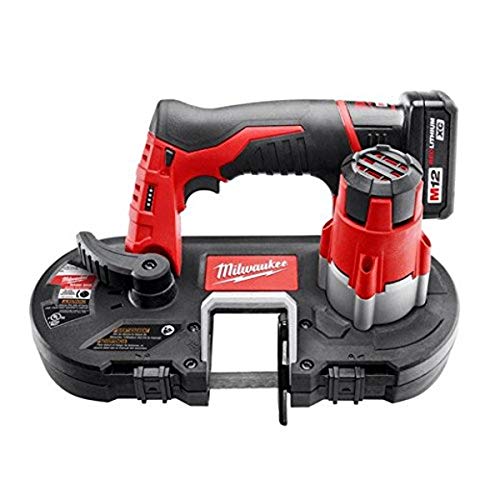
Best Cordless Band Saw of 2026: Portable Cutting Power Tested
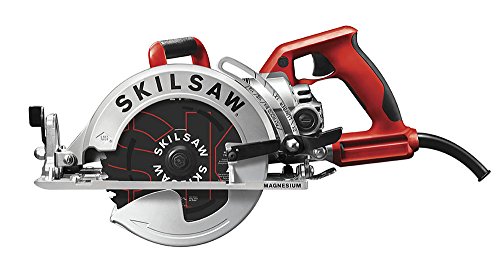
Best Corded Worm Drive Saw of 2026: Pro-Grade Picks Tested

Best Cordless 7-1/4 Circular Saw of 2026: Full-Size Power Tested
