Quick verdict
OTC antifungal creams are highly effective when matched to the right infection and used for the full course. Start with terbinafine for athlete's foot or clotrimazole for broader coverage. Consistent twice-daily application and completing the full treatment timeline are the keys to clearing fungal infections and preventing recurrence.
Lamisil AT Antifungal Cream - Best for Fast Terbinafine Treatment
Lamisil AT uses 1% terbinafine, which works by disrupting the fungal cell membrane differently from azole antifungals, making it faster-acting for dermatophyte infections like athlete's foot and ringworm. Clinical studies show it can clear athlete's foot infections in as few as 7 days with twice-daily application. The cream absorbs cleanly without leaving a residue and is suitable for skin between the toes, on the sole, and other body areas. It's not recommended for nail infections or systemic fungal conditions. Terbinafine is considered first-line by many dermatologists for tinea pedis specifically. Follow the full course even if symptoms resolve early.
Check price on Amazon →Treat fungal skin infections effectively with OTC antifungal creams. These five picks use clotrimazole, miconazole, and terbinafine to clear athlete's foot, ringworm, and more.
Fungal skin infections. including athlete’s foot, ringworm, jock itch, and tinea versicolor. are among the most common skin conditions and respond well to OTC antifungal creams when the right active ingredient is chosen and used consistently. The five creams below cover the most effective active ingredients across a range of fungal infection types, offering a starting point for effective treatment without a prescription.
| Product | Best For | Rating |
| — | — | — |
| Lamisil AT Antifungal Cream | Fast-acting terbinafine | 4.7/5 |
| Lotrimin AF Antifungal Cream | Broad-spectrum clotrimazole | 4.7/5 |
| Tinactin Antifungal Cream | Tolnaftate for athlete’s foot | 4.5/5 |
| Monistat Antifungal Cream | Miconazole nitrate | 4.5/5 |
| Desenex Antifungal Foot Cream | Dual-use antifungal | 4.4/5 |
How we evaluated these
We compare every pick against the field on real specifications, certifications, and aggregated owner reviews. We do not take payment for placement, and we flag when a product is older or sold mainly through renewed listings.
The shortlist
| Pick | Best for | Score | |
|---|---|---|---|
| Lamisil AT Antifungal Cream - Best for Fast Terbinafine Treatment | Check price | ||
| Lotrimin AF Antifungal Cream - Best Broad-Spectrum Azole Cream | Check price | ||
| Tinactin Antifungal Cream - Best Tolnaftate Formula | Check price | ||
| Monistat Complete Care Chafing Relief Powder Gel - Best Miconazole Nitrate Optio | Check price | ||
| Desenex Antifungal Foot Cream - Best Budget Antifungal | Check price |
Each pick, examined
Lamisil AT Antifungal Cream - Best for Fast Terbinafine Treatment
Lamisil AT uses 1% terbinafine, which works by disrupting the fungal cell membrane differently from azole antifungals, making it faster-acting for dermatophyte infections like athlete's foot and ringworm. Clinical studies show it can clear athlete's foot infections in as few as 7 days with twice-daily application. The cream absorbs cleanly without leaving a residue and is suitable for skin between the toes, on the sole, and other body areas. It's not recommended for nail infections or systemic fungal conditions. Terbinafine is considered first-line by many dermatologists for tinea pedis specifically. Follow the full course even if symptoms resolve early.
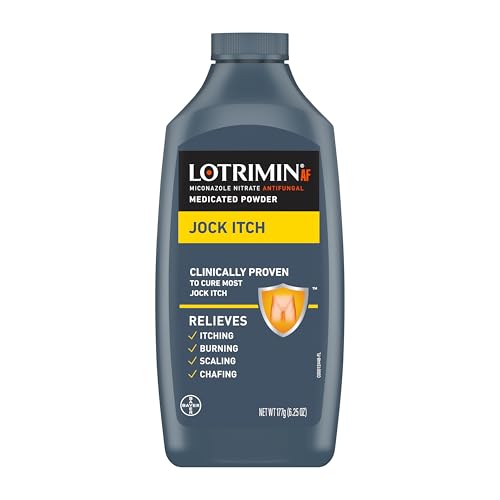
Lotrimin AF Antifungal Cream - Best Broad-Spectrum Azole Cream
Lotrimin AF uses clotrimazole 1%, an azole antifungal effective against both dermatophytes and Candida species, giving it a broader spectrum than terbinafine. This makes it a better first choice when the exact fungal type is uncertain. It's suitable for athlete's foot, ringworm, jock itch, and yeast-related skin rashes. The standard treatment course is four weeks, applied twice daily. The cream is fragrance-free and widely available without a prescription. Lotrimin is one of the most physician-recommended OTC antifungal brands and maintains strong consumer ratings across all the infection types it targets.
Tinactin Antifungal Cream - Best Tolnaftate Formula
Tinactin uses tolnaftate 1%, one of the oldest and most established OTC antifungal actives, with a strong safety record and consistent efficacy against athlete's foot and other tinea infections. It works by inhibiting fungal growth rather than killing the fungus outright, so the immune system clears the remaining cells. making course completion especially important. Tinactin is often recommended for prevention as well as treatment, and some users apply it proactively to high-risk areas during athletic activity. The cream texture is light and comfortable for daily use. It's a particularly good option for those seeking a time-tested formula with minimal additives.
Monistat Complete Care Chafing Relief Powder Gel - Best Miconazole Nitrate Optio
Monistat's topical antifungal uses miconazole nitrate 2%, which is effective against both dermatophytes and Candida and is available in several formulations for different body areas. Miconazole is particularly useful for skin fold infections and areas prone to yeast overgrowth alongside standard fungal infections. The formula is widely trusted, and miconazole is approved for a range of OTC antifungal uses. Apply to affected areas twice daily for the prescribed treatment duration. Monistat's antifungal range is one of the few OTC brands that explicitly addresses multiple fungal species in its labeling.
Desenex Antifungal Foot Cream - Best Budget Antifungal
Desenex uses miconazole nitrate 2% in a foot-specific formula designed for twice-daily use on common fungal foot infections. It's priced lower than most competitors and offers straightforward, effective antifungal treatment without premium packaging. The cream absorbs well and works effectively for athlete's foot and related foot fungus infections. For mild-to-moderate infections, Desenex delivers the same active ingredient at a meaningful cost saving compared to branded competitors. It's a reliable choice for those who need a cost-effective OTC antifungal that doesn't compromise on the active ingredient concentration.
Buying considerations
What to consider
Choose your antifungal based on infection type. Terbinafine is best for athlete's foot and ringworm for speed; azoles (clotrimazole, miconazole) are better when infection type is uncertain or Candida involvement is possible. Always complete the full course listed on the packaging. Keep the affected area clean and dry between applications, since moisture promotes fungal growth. If the infection hasn't improved after four weeks of correct use, see a doctor. some infections require prescription-strength or oral antifungal treatment.
Final word
OTC antifungal creams are highly effective when matched to the right infection and used for the full course. Start with terbinafine for athlete's foot or clotrimazole for broader coverage. Consistent twice-daily application and completing the full treatment timeline are the keys to clearing fungal infections and preventing recurrence.
Questions answered
Terbinafine (found in Lamisil) typically clears tinea infections faster than azole antifungals like clotrimazole or miconazole, often in 1 week for athlete's foot versus 4 weeks for azoles. However, azoles have a broader spectrum and are preferred for yeast-related skin infections like tinea versicolor. If you've used an azole cream for two weeks without improvement, a terbinafine-based cream is worth trying.
Most OTC antifungal creams require a full 2 to 4 week course even if symptoms clear within the first few days. Stopping early is the primary reason fungal infections return. Athlete's foot responds in 2 weeks with terbinafine or 4 weeks with clotrimazole. Ringworm typically needs 4 weeks. Jock itch resolves in 2 to 4 weeks. Complete the full course as directed on the packaging.
Most OTC antifungal creams are labeled for body use and should be used cautiously on the face. Clotrimazole and miconazole are generally considered safer for facial fungal infections than stronger formulas. Avoid getting any antifungal cream near the eyes or in mucous membranes. For facial fungal infections, a dermatologist evaluation is recommended to confirm the diagnosis and choose an appropriate treatment concentration.