Quick verdict
For the most comprehensive approach to facial spider veins, combining La Roche-Posay Rosaliac AR Intense with daily broad-spectrum SPF addresses both treatment and prevention. Budget-conscious users get strong results from The Ordinary Azelaic Acid and Leven Rose Vitamin K Cream paired together. For persistent or dense broken capillaries, laser or IPL treatment remains the most effective long-term solution - topical

SkinCeuticals Phyto Corrective Gel
SkinCeuticals Phyto Corrective is a dermatologist-favorite serum for reactive, redness-prone skin. It combines dipeptide-2 (which supports lymphatic drainage and reduces fluid pooling around capillaries), cucumber extract, thyme, and other botanicals. While primarily marketed for redness and sensitivity, it visibly reduces the appearance of fine facial capillaries over 8-12 weeks of daily use. The formula is lightweight, fragrance-free, and layers well under SPF. It is a premium product with a premium price tag, but the results justify it.
Facial spider veins and broken capillaries need gentler, targeted treatment than body veins. These five creams reduce redness, strengthen capillary walls, and improve overall skin tone safely.
Facial spider veins and broken capillaries are among the most stubborn skin concerns – delicate facial skin requires gentler formulations than body vein products, but the right cream can meaningfully reduce redness, strengthen the skin barrier, and slow the development of new capillaries. These five picks are specifically suited to the face’s unique needs.
| Product | Best For | Key Ingredient |
| — | — | — |
| SkinCeuticals Phyto Corrective Gel | Redness and capillary support | Dipeptide-2 + Botanical Extracts |
| Paula’s Choice Niacinamide 20% Treatment | Redness reduction | Niacinamide 20% |
| Vitamin K Cream by Leven Rose | Broken capillary fading | Vitamin K + Arnica |
| Azelaic Acid Suspension 10% (The Ordinary) | Rosacea-related capillaries | Azelaic Acid 10% |
| La Roche-Posay Rosaliac AR Intense Serum | Persistent facial redness | Ambophenol + Neurosensine |
How we picked
We compare every pick against the field on real specifications, certifications, and aggregated owner reviews. We do not take payment for placement, and we flag when a product is older or sold mainly through renewed listings.
Top picks compared
| Pick | Best for | Score | |
|---|---|---|---|
| SkinCeuticals Phyto Corrective Gel | Redness and capillary support | Check price | |
| Paula's Choice Niacinamide 20% Treatment | Redness reduction | Check price | |
| Vitamin K Cream by Leven Rose | Broken capillary fading | Check price | |
| The Ordinary Azelaic Acid Suspension 10% | Check price | ||
| La Roche-Posay Rosaliac AR Intense Serum | Persistent facial redness | Check price |
Our picks up close
SkinCeuticals Phyto Corrective Gel
SkinCeuticals Phyto Corrective is a dermatologist-favorite serum for reactive, redness-prone skin. It combines dipeptide-2 (which supports lymphatic drainage and reduces fluid pooling around capillaries), cucumber extract, thyme, and other botanicals. While primarily marketed for redness and sensitivity, it visibly reduces the appearance of fine facial capillaries over 8-12 weeks of daily use. The formula is lightweight, fragrance-free, and layers well under SPF. It is a premium product with a premium price tag, but the results justify it.
Paula's Choice Niacinamide 20% Treatment
Niacinamide at 20% concentration is one of the most effective OTC options for reducing facial redness, uneven skin tone, and the visibility of surface capillaries. It works by reducing surface inflammation, strengthening the epidermal barrier, and improving microcirculation. Paula's Choice version is well-formulated with supporting ingredients including peptides and vitamin C. Apply a few drops to clean skin before moisturizer. At this concentration, some initial flushing may occur - start every other day and build to daily use over two weeks.
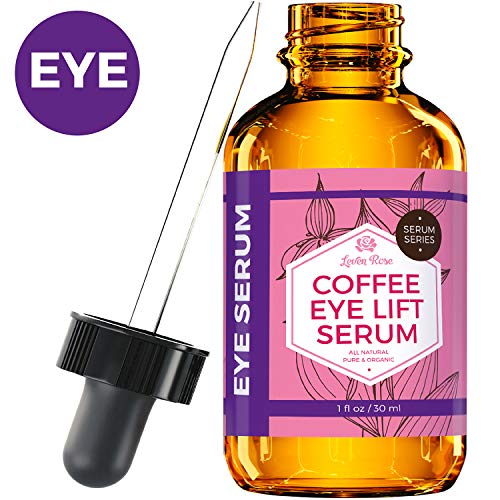
Vitamin K Cream by Leven Rose
Leven Rose offers a straightforward, affordable vitamin K cream with added arnica - a practical combination for targeting fine facial capillaries and post-procedure bruising around the nose and cheeks. It's fragrance-free and formulated light enough for regular facial use. Apply twice daily in gentle upward strokes on visible capillary areas. This is the most cost-accessible option on the list and works best for very fine surface veins. For deeper or more prominent capillaries, pair with a niacinamide or azelaic acid product.
The Ordinary Azelaic Acid Suspension 10%
Azelaic acid is a powerhouse ingredient for rosacea-related facial redness and broken capillaries. At 10% concentration, it reduces inflammation, evens out skin tone, and has been shown to decrease the density of visible surface capillaries with consistent use. The Ordinary's version is one of the most affordable 10% azelaic acid products available. Apply a pea-sized amount to affected areas once or twice daily. Note the texture is slightly gritty until absorbed - apply before heavier moisturizers.
La Roche-Posay Rosaliac AR Intense Serum
La Roche-Posay's Rosaliac AR Intense is designed specifically for persistent, diffuse facial redness and is popular with rosacea patients. Ambophenol strengthens capillary walls and reduces the inflammatory triggers that cause dilation. Neurosensine soothes reactive nerve fibers in the skin. It's fragrance-free, tested on sensitive and rosacea-prone skin, and pairs exceptionally well with broad-spectrum SPF - UV exposure is one of the primary triggers for facial capillary dilation. Ideal for daily use as the final serum step before moisturizer.
Before you buy
Cause of facial veins
Sun damage responds well to niacinamide and retinoids; rosacea-related capillaries respond best to azelaic acid or redness-specific serums like Rosaliac. - **Skin sensitivity:** Facial skin is more reactive - always patch test and start with lower concentrations or every-other-day application. - **Daily SPF is non-negotiable:** UV exposure is the primary driver of facial capillary damage - any treatment routine must include SPF 30+ every morning or results will not hold. - **Fragrance-free formulas:** Fragrance is one of the most common triggers for facial redness and capillary irritation - prioritize fragrance-free products for this area.
The wrap-up
For the most comprehensive approach to facial spider veins, combining La Roche-Posay Rosaliac AR Intense with daily broad-spectrum SPF addresses both treatment and prevention. Budget-conscious users get strong results from The Ordinary Azelaic Acid and Leven Rose Vitamin K Cream paired together. For persistent or dense broken capillaries, laser or IPL treatment remains the most effective long-term solution - topical
Quick answers
Facial spider veins (telangiectasia) are caused by sun damage, rosacea, aging, temperature extremes, and sometimes genetic predisposition. They appear as fine red or purple lines, typically on the nose and cheeks. Topical creams containing vitamin K, niacinamide, or azelaic acid can reduce redness and strengthen capillary walls over time. They cannot eliminate established broken capillaries the way laser or IPL can, but they visibly reduce appearance and prevent new ones from forming.
Vitamin K cream has modest evidence for reducing bruising and vascular discoloration on the skin surface, and many users report gradual fading of fine facial capillaries with consistent use. It is best suited for very superficial, fine broken capillaries rather than deeper or prominent veins. Results require 8-12 weeks of daily application. Vitamin K works better as part of a combination product - look for formulas that pair it with niacinamide or horse chestnut for a more comprehensive effect.
Yes, but choose a product formulated specifically for facial use. Creams designed for leg veins may contain fragrances, essential oils, or high concentrations of active ingredients that can irritate facial skin. For redness and broken capillaries on the nose, niacinamide serums, azelaic acid, and vitamin K creams designed for the face are the safest options. Always patch test on the jaw area before applying to the nose or cheeks, as skin there is often more reactive.