Quick verdict
No OTC cream will stop or reverse vitiligo on its own. The most effective role for these products is reducing inflammation, managing oxidative stress, protecting against UV damage, and supporting the overall skin environment while prescription or phototherapy treatments do the heavier work. Start with CeraVe as a daily base, add a vitamin C serum in the morning, and always apply broad-spectrum mineral sunscreen over

CeraVe Moisturizing Cream
Vitiligo-affected skin often has reduced barrier function in and around patches, making it more prone to water loss and sensitivity. CeraVe's ceramide-and-hyaluronic-acid formula directly addresses this by replenishing the lipids that hold skin cells together and retaining moisture at the surface. A healthy barrier reduces secondary inflammation, which matters because inflammatory signals are part of what continues to attack melanocytes in active vitiligo. This is the foundational daily cream for any vitiligo routine, suitable for both affected and unaffected skin.
Vitiligo patches need targeted topical support. These five creams address inflammation, barrier repair, and pigmentation support to help manage depigmented areas and reduce contrast.
Vitiligo is an autoimmune condition in which melanocytes are destroyed in patches, leaving depigmented areas of skin. While there is no single cream that restores pigment on its own, topical products play a real supporting role: they manage the inflammation that accelerates spread, strengthen the barrier function of affected skin, and in some cases provide antioxidant environments that support whatever melanocyte activity remains. The five creams below are the most useful topicals available without a prescription for managing vitiligo day to day.
| Product | Best For | Key Ingredient |
| — | — | — |
| CeraVe Moisturizing Cream | Daily barrier support | Ceramides + hyaluronic acid |
| Avene Cicalfate+ Restorative Skin Cream | Inflamed or irritated patches | Sucralfate + copper-zinc |
| SkinCeuticals C E Ferulic | Antioxidant environment support | Vitamin C + vitamin E |
| Polypodium Leucotomos Extract Cream | UV stress reduction topically | Polypodium leucotomos |
| Dermablend Leg and Body Makeup | Coverage for visible patches | Dimethicone + pigment |
How we picked
We compare every pick against the field on real specifications, certifications, and aggregated owner reviews. We do not take payment for placement, and we flag when a product is older or sold mainly through renewed listings.
Top picks compared
| Pick | Best for | Score | |
|---|---|---|---|
| CeraVe Moisturizing Cream | Daily barrier support | Check price | |
| Avene Cicalfate+ Restorative Skin Cream | Inflamed or irritated patches | Check price | |
| SkinCeuticals C E Ferulic | Antioxidant environment support | Check price | |
| Polypodium Leucotomos Extract Cream | UV stress reduction topically | Check price | |
| Dermablend Leg and Body Makeup | Coverage for visible patches | Check price |
Our picks up close
CeraVe Moisturizing Cream
Vitiligo-affected skin often has reduced barrier function in and around patches, making it more prone to water loss and sensitivity. CeraVe's ceramide-and-hyaluronic-acid formula directly addresses this by replenishing the lipids that hold skin cells together and retaining moisture at the surface. A healthy barrier reduces secondary inflammation, which matters because inflammatory signals are part of what continues to attack melanocytes in active vitiligo. This is the foundational daily cream for any vitiligo routine, suitable for both affected and unaffected skin.
Avene Cicalfate+ Restorative Skin Cream
Avene's Cicalfate+ is designed for damaged, post-procedural, or chronically irritated skin, which makes it well-matched to vitiligo patches that are actively spreading or inflamed. The sucralfate and copper-zinc sulfate combination has antimicrobial and anti-inflammatory properties that calm reactive skin without steroids. It creates a protective film over sensitive areas and is particularly useful during periods of stress-related flare-up. The formula is fragrance-free, tested on sensitive skin, and gentle enough for the face. Use it as a targeted spot treatment on active patches rather than all-over.
SkinCeuticals C E Ferulic
Oxidative stress is increasingly recognized as a factor in melanocyte damage in vitiligo. SkinCeuticals C E Ferulic combines 15% L-ascorbic acid (vitamin C) with alpha tocopherol (vitamin E) and ferulic acid to create a powerful antioxidant serum that neutralizes free radicals at the skin surface. It won't repigment patches, but it creates a less hostile oxidative environment for any surviving melanocytes and their precursors. It is expensive but the formulation is among the most studied vitamin C topicals available. Apply before sunscreen in the morning on and around patches.
Polypodium Leucotomos Extract Cream
Polypodium leucotomos (PLE) is a fern extract with well-documented photoprotective and anti-inflammatory properties. In oral form it is used as an adjunct to phototherapy for vitiligo in clinical settings. As a topical cream, it provides an additional layer of defense against UV-induced oxidative stress on depigmented patches that lack melanin protection. It works best as a complement to mineral sunscreen rather than a replacement. For people pursuing phototherapy, topical PLE products may help manage UV exposure on non-target areas during and between sessions.
Dermablend Leg and Body Makeup
Coverage is a practical and legitimate part of vitiligo management for many people. Dermablend's Leg and Body Makeup is a transfer-resistant, long-wearing formula with high pigment density that can effectively conceal depigmented patches on the body. It comes in a wide range of shades to match diverse skin tones, and it's water-resistant enough for normal daily activity. It's not a treatment, but for social situations or self-confidence on high-contrast areas, it's the most effective and widely accessible coverage option available OTC.
Before you buy
Fragrance-free and minimal irritants
-- Vitiligo patches are more sensitive than normal skin. Any cream that contains common sensitizers like fragrance or alcohol can aggravate inflammation and potentially accelerate spread in active cases. - **Antioxidant ingredients** -- Vitamin C, vitamin E, and polypodium leucotomos target the oxidative stress that contributes to melanocyte damage. Prioritize these in morning routines applied before sunscreen. - **Broad-spectrum SPF on patches** -- This is non-negotiable. Patches burn easily and increased UV contrast between normal and depigmented skin makes vitiligo more visible. A mineral sunscreen layered over any topical cream is essential. - **Barrier-strengthening base** -- Ceramides and glycerin keep patch-adjacent skin healthy, which matters because the edges of vitiligo patches are where active spread is most likely to occur.
The wrap-up
No OTC cream will stop or reverse vitiligo on its own. The most effective role for these products is reducing inflammation, managing oxidative stress, protecting against UV damage, and supporting the overall skin environment while prescription or phototherapy treatments do the heavier work. Start with CeraVe as a daily base, add a vitamin C serum in the morning, and always apply broad-spectrum mineral sunscreen over
Quick answers
No over-the-counter cream can reliably reverse vitiligo. Prescription treatments like tacrolimus ointment or corticosteroid creams have the strongest evidence for supporting repigmentation, particularly in early or actively spreading cases. OTC creams can help by reducing inflammation, strengthening the skin barrier, and providing antioxidant support, but anyone seeking to stop spread or trigger repigmentation should consult a dermatologist about prescription options.
Yes. Depigmented patches have no melanin to provide UV protection, making them much more vulnerable to sunburn and UV-induced damage. Daily broad-spectrum SPF 30 or higher is essential on exposed vitiligo patches. Sun exposure also darkens surrounding normal skin, which increases the contrast between patches and normal skin and makes vitiligo more visually apparent. Mineral sunscreens with zinc oxide are generally well-tolerated on sensitive vitiligo-affected skin.
Vitamin D deficiency is more prevalent in people with vitiligo, and some research suggests vitamin D may support melanocyte survival and immune regulation. Topical vitamin D analogues like calcipotriol are occasionally used alongside phototherapy in clinical settings. OTC vitamin D-enriched creams are not a treatment, but ensuring adequate systemic vitamin D levels through supplementation is a reasonable complementary step to discuss with a dermatologist managing your vitiligo.
More to explore
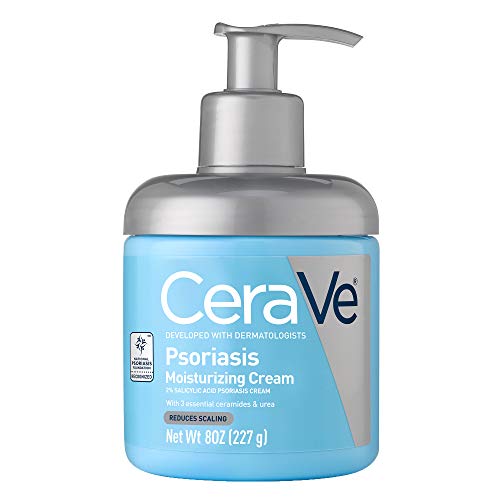
5 Best Cream for Plaque Psoriasis of 2026 | Calm Flares & Reduce Scaling

5 Best Cream for Dry Skin Psoriasis 2026 | Soothe Plaques and Restore Moisture

5 Best Cream for Lupus Rash of 2026 | Calm Skin Flares Safely
5 Best Cream for Vitiligo Treatment of 2026 | Repigmentation-Focused Picks

5 Best Creams for Seborrheic Dermatitis 2026 | Clear Flakes & Calm Redness

5 Best Cream for Poison Ivy Rash of 2026 | Stop Itch and Heal Fast

5 Best Cure for Vitiligo of 2026 | Sun Protection and Coverage for Depigmented Skin