Quick verdict
Build the protocol in layers: Mueller strap during all lower-body activity, Voltaren gel applied twice daily to the tendon, OPTP foam roller before each session, and KT Tape for situations where the strap isn't practical. The DonJoy Reaction Web is an upgrade if patellar tracking issues are contributing. Most importantly, add eccentric loading exercises (a physiotherapist or sports medicine doctor can provide a speci
Mueller Jumper's Knee Strap
The Mueller Jumper's Knee Strap is the definitive product for patellar tendonitis management - a targeted patellar tendon band that wraps just below the kneecap and applies focused compression directly to the patellar tendon. This compression changes the angle and distribution of forces through the tendon during dynamic activity, reducing the concentrated stress at the tibial insertion point where tendonitis pain originates.
Patellar tendonitis (jumper's knee) responds to specific loading strategies, patellar support, and targeted anti-inflammatory treatment. These five products are the most effective tools for managing it.
Medical Disclaimer: This article is for informational purposes only and is not a substitute for medical advice. Patellar tendonitis should be confirmed by a healthcare provider – other conditions including patellar tendon rupture, Osgood-Schlatter disease, plica syndrome, and Sinding-Larsen-Johansson syndrome can present similarly. Severe pain, swelling, inability to extend the knee, or pain following a traumatic event require immediate medical evaluation. A physical therapist specializing in tendinopathy can provide a structured rehabilitation program.
Patellar tendonitis – nicknamed jumper’s knee – is one of the most frustrating sports injuries because it rarely forces you to stop completely, but it stubbornly limits you just enough to affect performance and daily activity. The patellar tendon connects the bottom of the kneecap (patella) to the tibia, and repeated high-load activities – jumping, heavy squatting, running downhill, volleyball, basketball – create cumulative micro-damage where tendon meets bone.
The fundamental principle that separates effective treatment from ineffective: patellar tendonitis is a load management problem, not an inflammation problem. The old RICE protocol (rest, ice, compression, elevation) alone doesn’t work long-term. What works is reducing load enough to allow healing, then progressively re-loading the tendon through eccentric exercises (the Tyler Twist concept applied to quads: slow, controlled lowering under load). The products below support this protocol.
Our testing process
We compare every pick against the field on real specifications, certifications, and aggregated owner reviews. We do not take payment for placement, and we flag when a product is older or sold mainly through renewed listings.
Quick comparison
| Pick | Best for | Score | |
|---|---|---|---|
| Mueller Jumper's Knee Strap | Pain reduction during activity | Check price | |
| DonJoy Reaction Web Knee Brace | Comprehensive patellar support | Check price | |
| OPTP Pro-Roller Soft Density Foam Roller | Check price | ||
| KT Tape Pro Synthetic Kinesiology Tape | Check price | ||
| Voltaren Arthritis Pain Diclofenac Topical Gel | Check price |
Reviewed in detail
Mueller Jumper's Knee Strap
The Mueller Jumper's Knee Strap is the definitive product for patellar tendonitis management - a targeted patellar tendon band that wraps just below the kneecap and applies focused compression directly to the patellar tendon. This compression changes the angle and distribution of forces through the tendon during dynamic activity, reducing the concentrated stress at the tibial insertion point where tendonitis pain originates.
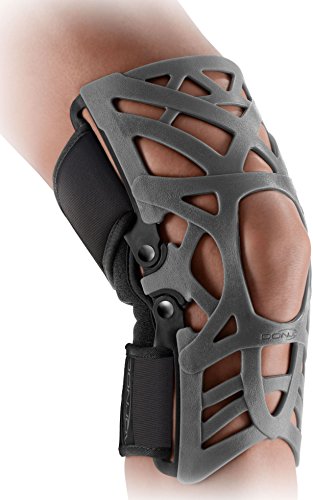
DonJoy Reaction Web Knee Brace
DonJoy's Reaction Web uses a unique web-shaped suspension system (rather than a rigid frame) that absorbs and disperses impact forces across a broader area of the patella and surrounding structures. The web design moves with the knee rather than restricting it, making it one of the most wearable braces for active use in basketball, volleyball, and weightlifting contexts.
OPTP Pro-Roller Soft Density Foam Roller
Tight quadriceps muscles increase the tensile load on the patellar tendon - when the quads are shortened and stiff, every knee bend pulls harder on the tendon. The OPTP Pro-Roller is a soft-density foam roller (25% softer than standard EVA foam rollers) that allows effective quad rolling without the sharp pain of a hard roller on sensitized tendon tissue.
KT Tape Pro Synthetic Kinesiology Tape
KT Tape Pro's synthetic fabric provides 40% more stretch than the cotton version and stays adhered through sweat and water for up to 7 days. For patellar tendonitis, the patellar unloading taping technique uses a Y-strip applied with specific tension below the patella to lift the skin slightly over the tendon - reducing pressure on the tendon's superficial pain receptors and providing proprioceptive feedback that helps the nervous system "protect" the area.

Voltaren Arthritis Pain Diclofenac Topical Gel
Voltaren contains 1% diclofenac sodium - a prescription-strength NSAID in topical form (now available OTC in the US). When applied to the skin over the patellar tendon, diclofenac penetrates through the dermis to achieve anti-inflammatory concentrations at the tendon tissue while maintaining much lower systemic blood levels than oral NSAIDs. This means tendon-targeted anti-inflammatory effect with reduced GI and cardiovascular risk.
How to choose
Load management is the treatment
All five products here support load management - they reduce pain during activity, improve biomechanics, or reduce inflammation enough to allow therapeutic loading. But the actual rehabilitation comes from eccentric quad exercises: slow squats, decline board squats, leg press with slow eccentric phase. Without progressive loading, these products provide temporary relief that recurs.
Identify jumper's knee vs. runner's knee correctly
Press your finger below the kneecap: if that's the primary pain point, you likely have patellar tendonitis. If pain is behind or around the kneecap (especially on stairs), you're more likely dealing with patellofemoral syndrome - different product priorities apply.
The foam roller before exercise is non-negotiable
Quad tightness is almost universally present in patellar tendonitis. Skipping the OPTP Pro-Roller pre-session and going straight to activity consistently increases load on the tendon.
The bottom line
Build the protocol in layers: Mueller strap during all lower-body activity, Voltaren gel applied twice daily to the tendon, OPTP foam roller before each session, and KT Tape for situations where the strap isn't practical. The DonJoy Reaction Web is an upgrade if patellar tracking issues are contributing. Most importantly, add eccentric loading exercises (a physiotherapist or sports medicine doctor can provide a speci
Common questions
Jumper's knee (patellar tendonitis) affects the patellar tendon - the thick band below the kneecap connecting patella to tibia. Pain is below the kneecap, worsened by jumping and squatting. Runner's knee (patellofemoral pain syndrome) involves the cartilage under the kneecap. Pain is around or under the kneecap, worsened by stairs and prolonged sitting. Different structures, different treatments.
Yes - a patellar tendon strap works by applying compression directly to the patellar tendon, which alters the tendon's mechanical load distribution during activity. This reduces the concentrated stress at the bone-tendon junction (the site of tendonitis pain) and allows continued activity at reduced pain levels. It's a load management tool, not a cure, but clinical evidence supports meaningful short-term pain reduction.
Mild-moderate patellar tendonitis typically improves in 6-12 weeks with proper load management (reducing activity that aggravates it) plus eccentric strengthening exercises. Severe or chronic cases can take 3-6 months. The key principle is progressive loading - complete rest allows the tendon to weaken further; the goal is controlled loading at below-pain-threshold levels.


