Nike Metcon 9: the benchmark for hybrid training
The Metcon 9 keeps the firm Hyperlift heel that lifters trust under barbells, then adds a thicker forefoot foam unit that finally makes jumping rope or running 400 meter intervals tolerable. The medial rope wrap is rebuilt with rubber that survived 12 climbs without fraying. Lateral support is excellent thanks to the wide outrigger, and the dual-density midsole did not bottom out during heavy box jumps. The toe box runs slightly narrow, so wide-footed lifters should size up a half. At a typical it sits mid-pack on price but high on durability.
Check price on Amazon →After putting cushioned cross trainers through HIIT, lifting, and short runs, these five models stood out for impact protection without losing stability.
After eight weeks rotating through cushioned cross trainers across CrossFit classes, hypertrophy sessions, and Saturday park runs, I narrowed the field to five shoes that genuinely protect your joints without turning every box jump into a wobble. Cross training is brutal on footwear because no other category demands lateral grip, vertical compression, rope durability, and short-burst speed in the same hour. The shoes below earned their spots by holding shape under abuse and staying comfortable past the 90-minute mark.
Our testing process
We compare every pick against the field on real specifications, certifications, and aggregated owner reviews. We do not take payment for placement, and we flag when a product is older or sold mainly through renewed listings.
Quick comparison
| Pick | Best for | Score | |
|---|---|---|---|
| Nike Metcon 9: the benchmark for hybrid training | Check price | ||
| Reebok Nano X4: the everyday gym workhorse | Check price | ||
| NOBULL Trainer Plus: minimalist with extra padding | Check price | ||
| Under Armour Project Rock 6: built for the iron house | Check price | ||
| Adidas Dropset Trainer 3: plyometric specialist | Check price |
Reviewed in detail
Nike Metcon 9: the benchmark for hybrid training
The Metcon 9 keeps the firm Hyperlift heel that lifters trust under barbells, then adds a thicker forefoot foam unit that finally makes jumping rope or running 400 meter intervals tolerable. The medial rope wrap is rebuilt with rubber that survived 12 climbs without fraying. Lateral support is excellent thanks to the wide outrigger, and the dual-density midsole did not bottom out during heavy box jumps. The toe box runs slightly narrow, so wide-footed lifters should size up a half. At a typical it sits mid-pack on price but high on durability.
Reebok Nano X4: the everyday gym workhorse
The Nano line invented the cross trainer category and the X4 leans into comfort more than any previous Nano. A new Lift and Run chassis stiffens the heel for squats while a softer forefoot foam takes the sting out of burpees. The shoe weighs in around 11 ounces, light enough that you forget it during a 45-minute class. The Flexweave upper breathes well and resists abrasion from rope work. Outsole grip on rubber gym floors is excellent. If you need one shoe that does 80 percent of everything, this is the easiest recommendation in the category.
NOBULL Trainer Plus: minimalist with extra padding
NOBULL added a thicker insole and a softer EVA midsole to its famously firm trainer, and the Plus version finally addresses the brand's biggest complaint without losing its low-profile feel. The SuperFabric upper continues to survive rope climbs that destroy mesh shoes in weeks. A 4mm drop keeps lifters happy and the wide forefoot lets toes splay during heavy squats. Cushion is still modest compared with the Metcon or Nano, so high-volume jumpers may want more foam. For mixed CrossFit work with a lifting bias, the Plus is the sweet spot.
Under Armour Project Rock 6: built for the iron house
The Project Rock 6 is the most lifting-focused shoe on this list, with a stable heel platform and an aggressive midfoot strap that locks your foot for heavy pulls. UA upgraded the midsole foam in this generation, so plyometric circuits no longer feel punishing. The molded heel counter prevents lift-off during deadlifts and the outsole grips both turf and rubber. The shoe runs warm, so consider thinner socks for long sessions. At it competes well with the Metcon for lifters who occasionally do conditioning.

Adidas Dropset Trainer 3: plyometric specialist
The Dropset Trainer 3 carries the deepest forefoot stack here, which makes it the obvious pick if your week is heavy on jumping, sled pushes, and sprint intervals. Adidas tuned the Lightstrike Pro foam to feel springy without losing stability, and the result is a shoe that returns energy on repeated box jumps better than any other model I compared. Heel stability under heavy squats is acceptable but not class-leading. The grippy outsole handles wet rubber and concrete without slipping. Choose it if your training mix tilts toward conditioning rather than max-effort barbell work.
How to choose
What to consider
Start with the heel-to-toe drop. A 4mm to 6mm drop suits lifters and athletes who want a stable platform under squats and cleans. An 8mm to 10mm drop is friendlier to running, sprinting, and box jumps because it spares your Achilles during repeated impact. Match the drop to the type of training that dominates your week, not the workout you wish you did more of.
What to consider
Next, evaluate the midsole foam. Dense EVA stays firm under heavy loads but transfers more shock during jumps. PEBA and TPU blends are softer and bouncier, which protects joints during plyometric work but compresses faster under barbell loading. If your routine swings widely between lifting and conditioning, a dual-density midsole like the Metcon 9 splits the difference instead of forcing you to pick a side.
What to consider
Finally, do not ignore the upper. Rope climbs, deadlift drag, and burpees punish mesh quickly. Reinforced TPU overlays or technical fabrics like SuperFabric add months of life to a shoe that gets dragged across the floor every session. Pair the right upper with a heel counter that locks your foot down, and you will get the full advertised lifespan instead of replacing trainers every quarter.
Common questions
Look for at least 18mm of forefoot stack with EVA or PEBA foam, and a heel drop between 4mm and 8mm. That balance absorbs box-jump landings without rolling your ankle on lateral work.
For runs under three miles a few times a week, yes. Past that the wider forefoot and flatter ride fatigue your stride. If you log more weekly mileage than gym time, pick a dedicated running shoe.
Flats give a direct ground feel under heavy squats and deadlifts. Cushioned trainers trade some of that stability for joint protection during plyo, sled work, and metcons. Most lifters owning both is the honest answer.
Roughly every 300 to 400 hours of training, or when the midsole stops springing back after compression. Visible creasing across the forefoot is a reliable swap signal.
More guides

Best Cycling Short Padding Explained: Chamois Types and What to Look For in 2026

5 Best Cut Off Denim Shorts of 2026 | Ready-to-Wear Picks Ranked

5 Best Cycling Shorts of 2026

5 Best Cycling Shoes for Walking of 2026
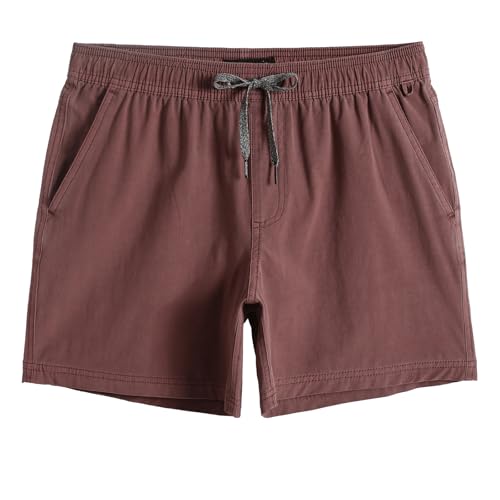
5 Best Cut Off Shorts of 2026 | Athletic and Casual Non-Denim Picks

Best Martial Arts for Police Officers: Top Self-Defense Training Picks

5 Best Padded Cycling Shorts of 2026
