Quick verdict
The ASICS Solution Speed FF 3 is the best performance-to-cushion balance for competitive hard court players - FlyteFoam plus the Gel forefoot pocket delivers real joint protection without the weight or instability of a maximalist approach. Recreational players who prioritize comfort over speed will find the New Balance 996v5's Fresh Foam the softest everyday option in the group. The Head Sprint Team 3.0 is a strong e

Nike Air Zoom Vapor Pro 2
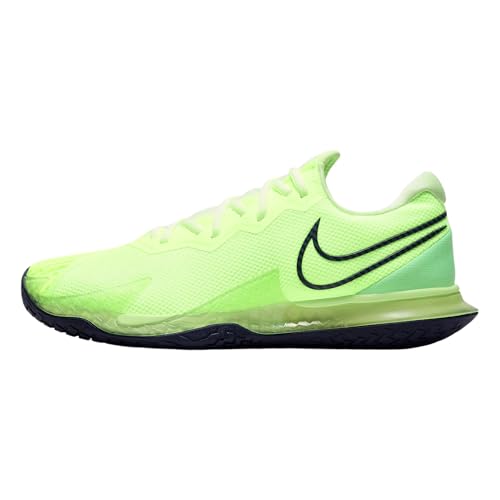
The Vapor Pro 2 is Nike's all-court performance choice - it uses a forefoot Air Zoom unit that provides targeted cushioning exactly where impact concentration is highest during net approaches and baseline groundstrokes. The outsole's modified herringbone pattern grips hard courts without dragging on lateral pivots. The upper is a reinforced mesh that holds the midfoot firmly without hot spots, and the wider forefoot platform compared to its predecessor adds meaningful stability during cutting movements.
Hard court tennis is brutal on ankles, knees, and hips - the right cushioned tennis shoe absorbs lateral impact forces that running shoes simply aren't built to handle. These five deliver real joint protection without sacrificing court feel.
Hard courts are unforgiving surfaces – each step and lateral cut sends impact forces through your ankles, knees, and hips that add up over a three-set match. The five shoes below were selected for their ability to absorb that impact while maintaining the lateral stability and court feel that serious tennis demands. These are not running shoes with a herringbone pattern – they’re purpose-built for the specific punishment of hard court play.
| Product | Best For | Key Feature |
| — | — | — |
| Nike Air Zoom Vapor Pro 2 | Speed + cushion balance | Air Zoom unit in forefoot, stable base |
| Babolat Jet Mach III | Aggressive lateral movement | Michelin outsole, KPRS-X cushioning |
| ASICS Solution Speed FF 3 | All-court stability cushioning | FlyteFoam + GEL forefoot |
| New Balance 996v5 | Premium cushion + durability | Fresh Foam midsole, herringbone outsole |
| Head Sprint Team 3.0 | Budget performance cushioning | Hybrasion+ outsole, cushioned sockliner |
How we evaluated these
We compare every pick against the field on real specifications, certifications, and aggregated owner reviews. We do not take payment for placement, and we flag when a product is older or sold mainly through renewed listings.
The shortlist
| Pick | Best for | Score | |
|---|---|---|---|
| Nike Air Zoom Vapor Pro 2 | Speed + cushion balance | Check price | |
| Babolat Jet Mach III | Aggressive lateral movement | Check price | |
| ASICS Solution Speed FF 3 | All-court stability cushioning | Check price | |
| New Balance 996v5 | Premium cushion + durability | Check price | |
| Head Sprint Team 3.0 | Budget performance cushioning | Check price |
Each pick, examined
Nike Air Zoom Vapor Pro 2
The Vapor Pro 2 is Nike's all-court performance choice - it uses a forefoot Air Zoom unit that provides targeted cushioning exactly where impact concentration is highest during net approaches and baseline groundstrokes. The outsole's modified herringbone pattern grips hard courts without dragging on lateral pivots. The upper is a reinforced mesh that holds the midfoot firmly without hot spots, and the wider forefoot platform compared to its predecessor adds meaningful stability during cutting movements.
Babolat Jet Mach III
Babolat's partnership with Michelin produced one of the most durable and grip-consistent outsoles in tennis footwear, and the Jet Mach III builds a genuine cushioning system around it. The KPRS-X cushioning technology under the heel and forefoot uses a multi-density foam with flexible grooves that compress during impact and rebound quickly for the next step. For aggressive movers who make hard cuts and sprint to the ball, the Jet Mach holds its cushioning performance across a long match better than most competitors.
ASICS Solution Speed FF 3
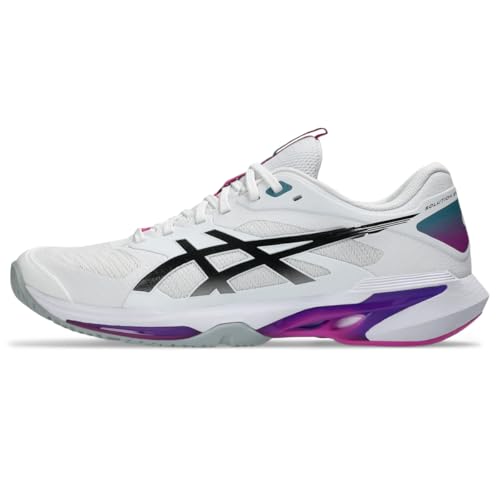
ASICS applied their FlyteFoam technology - typically reserved for premium running models - to the Solution Speed FF 3's midsole, pairing it with a forefoot Gel pocket that absorbs the shock of fast-paced hard court play. The result is one of the most cushioned performance tennis shoes ASICS has ever made without sacrificing the low-profile court feel competitive players demand. The outsole uses a modified AHAR+ compound specifically rated for hard court durability - ASICS backs it with a 6-month outsole guarantee.
New Balance 996v5
The 996v5 is New Balance's flagship tennis model and delivers Fresh Foam midsole cushioning in a proven, stable platform. The heel and forefoot cushioning is notably softer underfoot than most performance tennis shoes, making it the top recommendation for recreational players who prioritize joint comfort over maximum responsiveness. The hard court herringbone outsole is rated for durability, and the wider toe box accommodates players who find performance tennis shoes uncomfortably narrow.

Head Sprint Team 3.0
The Head Sprint Team 3.0 delivers genuine court performance at a price point that makes it accessible to recreational players who don't want to compromise on joint protection. The Hybrasion+ outsole compound is specifically engineered for hard court surfaces, and the cushioned EVA sockliner adds meaningful underfoot softness that the bare hard court outsole alone wouldn't provide. The midfoot support cage prevents lateral foot roll during cuts without making the shoe feel rigid.
Buying considerations
Outsole compound
Hard court outsoles use modified herringbone patterns in abrasion-resistant rubber compounds (AHAR, Michelin, Hybrasion+). Regular rubber wears through quickly on hard courts. The outsole is typically the first thing to fail - choose a shoe with a durability guarantee or known outsole longevity.
Lateral support structure
Look for a midfoot support cage, TPU shank, or reinforced sidewalls that resist inward ankle rolling during lateral cuts. This is the most important injury-prevention feature in a tennis shoe and is absent from running shoes.
Cushioning placement
Forefoot cushioning matters more in tennis than heel cushioning - most tennis impact happens through the forefoot during groundstrokes and net play. Heel cushioning helps serve landings and general fatigue but is secondary.
Upper reinforcement
The inner toe box area of tennis shoes takes severe abrasion from drag-stop movements. Look for a reinforced toe cap or abrasion-resistant overlay in this zone.
Court feel
A very high-stack cushioned sole reduces the feedback that experienced players use for footwork precision. Balance cushioning depth against the ability to feel the court surface underfoot.
Final word
The ASICS Solution Speed FF 3 is the best performance-to-cushion balance for competitive hard court players - FlyteFoam plus the Gel forefoot pocket delivers real joint protection without the weight or instability of a maximalist approach. Recreational players who prioritize comfort over speed will find the New Balance 996v5's Fresh Foam the softest everyday option in the group. The Head Sprint Team 3.0 is a strong e
Questions answered
Running shoes are designed for forward linear motion - they lack the lateral support structures that tennis requires for side-to-side cuts and quick direction changes. Using running shoes on court increases ankle sprain risk significantly and wears through the outsole in unintended places. Tennis-specific outsoles also grip court surfaces differently, providing traction without the aggressive lugs that would damage hard court surfaces.
Very high-stack cushioned shoes (like running maximalist shoes) introduce instability during lateral cuts - the foam compresses unevenly during sideways movements. The best cushioned tennis shoes use responsive, firm-sided foam that absorbs vertical impact from hard courts while maintaining a stable platform for lateral play. Court feel - the ability to sense the surface - is important for footwork, and excessive stack height reduces this.
For regular hard court players (3+ sessions per week), outsole wear is typically the limiting factor at 6-12 months. The herringbone pattern on hard court soles wears smooth, reducing traction noticeably. Cushioning also compresses over time - if you feel every impact more than you did when the shoes were new, it's time to replace them regardless of how the outsole looks.