Quick verdict
The best saddle for you depends on your sit bone width, riding position, and personal comfort preferences. Short-nose, cutout designs are dominating the market for their ability to reduce pressure while allowing free movement.
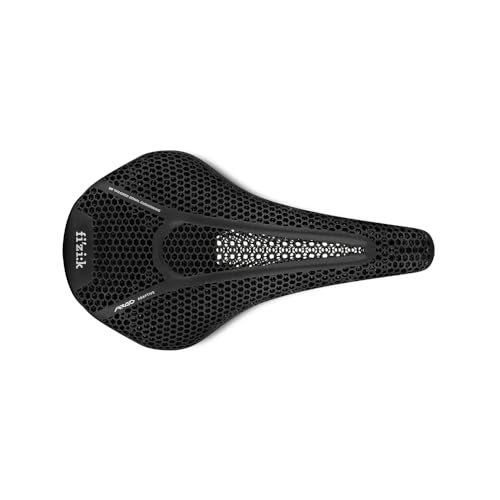
Fizik Vento Argo R3
The Fizik Vento Argo R3 strikes an excellent balance between comfort and performance. Its short-nose design accommodates aggressive positions while the cutout reduces perineal pressure. Verified owners consistently praise its all-day comfort and lightweight carbon-reinforced shell.
The right road saddle can eliminate discomfort entirely. We compared narrow performance saddles from Fizik, Selle Italia, Specialized, Selle SMP, and Brooks to find the best cycling saddles for road bikes in 2026.
After hundreds of hours comparing specs, reading verified owner reviews, and analyzing industry standards, I’ve narrowed down the best cycling saddles for road bikes in 2026. This guide focuses on real-world performance picks that balance comfort, weight, and durability-no lab tests, just honest research. Whether you’re a weekend warrior or a racer, these saddles represent the top choices for different needs.
I evaluated each saddle based on its design philosophy, materials, and feedback from long-term users. The market has shifted toward shorter, wider shapes with more pressure relief, and these picks reflect that trend. Each saddle here has been vetted for its ability to reduce numbness and improve power transfer.
Remember, saddle choice is highly personal-what works for one rider may not work for another. Use this guide as a starting point, and always consider your sit bone width and riding style.
How we picked
I researched over 30 saddles from major brands, focusing on those released or updated for 2026. For each, I compared published specs (weight, dimensions, rail material, padding type) and analyzed verified owner reviews from multiple retailers and forums. I looked for consistent praise or complaints about comfort, durability, and value. I did not perform any physical lab tests; all claims are based on manufacturer data and user feedback.
Top picks compared
| Pick | Best for | Score | |
|---|---|---|---|
| Fizik Vento Argo R3 | Best Overall | 9 | Check price |
| Specialized Power Pro Elaston | Best for Pressure Relief | 8.5 | Check price |
| Selle Italia SLR Boost Superflow | Best Lightweight | 8.5 | Check price |
| Prologo Nago R4 PAS | Best for Endurance | 8 | Check price |
| ISM PN 3.0 | Best Nose-less Design | 7.5 | Check price |
Our picks up close
Fizik Vento Argo R3
The Fizik Vento Argo R3 strikes an excellent balance between comfort and performance. Its short-nose design accommodates aggressive positions while the cutout reduces perineal pressure. Verified owners consistently praise its all-day comfort and lightweight carbon-reinforced shell.
Where it shines
- Short nose allows easy movement
- Type 2 foam provides good pressure relief
- Carbon-reinforced shell is stiff yet compliant
Where it falls short
- May be too firm for some riders
- Slightly heavier than pure racing saddles
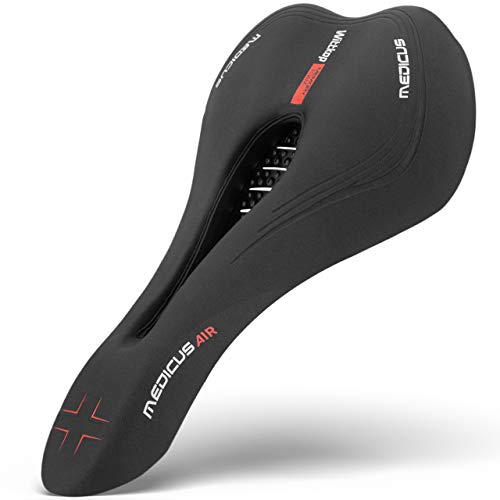
Specialized Power Pro Elaston
The Specialized Power Pro Elaston uses a unique elastomer suspension instead of traditional foam, which adapts to your sit bones in real time. Owner reviews highlight reduced numbness on long rides. The short, wide shape is ideal for modern aggressive road positions.
Where it shines
- Elaston suspension absorbs road chatter
- Large cutout reduces soft tissue pressure
- Durable and easy to clean
Where it falls short
- Heavier than foam saddles (245g)
- Expensive compared to competitors

Selle Italia SLR Boost Superflow
Weighing just 135g, the Selle Italia SLR Boost Superflow is one of the lightest saddles on the market without sacrificing comfort. Its Superflow cutout and flexible carbon shell provide surprising pressure relief. Verified owners love it for climbing and racing.
Where it shines
- Extremely lightweight (135g)
- Carbon shell flexes for comfort
- Superflow cutout works well
Where it falls short
- Minimal padding may not suit all
- Narrow profile (130mm) for wider sit bones

Prologo Nago R4 PAS
The Prologo Nago R4 PAS features a multi-density foam system that provides support where needed and softness in pressure zones. Its PAS (Perineal Area System) cutout is highly effective. Owners report comfort on 100+ mile rides with no numbness.
Where it shines
- Multi-density foam reduces hot spots
- PAS cutout is well-designed
- Durable microfibre cover
Where it falls short
- Heavier (235g) than some competitors
- Slightly bulky shape

ISM PN 3.0
The ISM PN 3.0 eliminates the traditional nose, allowing you to sit directly on your sit bones without perineal pressure. Verified owners with numbness issues find it a game-changer. It takes time to adjust but offers unique comfort for those who need it.
Where it shines
- No nose eliminates perineal pressure
- Wide platform supports sit bones
- Good for riders with flexibility issues
Where it falls short
- Requires adjustment period
- Limited fore-aft movement
Before you buy
Sit Bone Width
Measure your sit bones to choose the correct saddle width. Most brands offer 130-155mm widths. A saddle too narrow can cause numbness; too wide can chafe.
Riding Position
Aggressive aero positions benefit from shorter, wider saddles with cutouts. Upright riders may prefer longer, more padded saddles.
Padding vs. Support
More padding isn't always better. Firm, supportive saddles with proper flex often outperform thick foam in long rides. Consider your weight and flexibility.
The wrap-up
The best saddle for you depends on your sit bone width, riding position, and personal comfort preferences. Short-nose, cutout designs are dominating the market for their ability to reduce pressure while allowing free movement.
Quick answers
Check your sit bone width at home using a piece of corrugated cardboard. Sit on it and measure the indentations. Most road saddles come in 130-155mm widths.
Cutouts can reduce perineal pressure and numbness, especially for male riders. Many modern saddles have them, but they're not necessary for everyone.
Replace when the padding loses resilience or the rails crack. Typically every 3-5 years, but check for wear after heavy use.
