Quick verdict
For maximum protection, passive over-ear muffs like the 3M PELTOR X5A offer the highest NRR, but electronic options provide situational awareness. Custom moldable earplugs are ideal for comfort and portability. Always verify NRR ratings and user reviews for real-world performance.

3M PELTOR X5A
Highest NRR 31 dB among over-ear muffs, comfortable for long sessions, and built like a tank. Owners praise the snug fit and effective noise blocking even without electronics.
Choosing the right ear protection can prevent permanent hearing damage in loud environments. We compared earmuffs, earplugs, and combination solutions to find the best hearing protection for every use case.
After comparing dozens of models across NRR ratings, build quality, and verified owner reviews, I’ve narrowed down the best ear protection for 2026. Whether you need passive earplugs for shooting, electronic muffs for the range, or Bluetooth-enabled cans for the job site, these picks deliver real performance without the marketing fluff.
I focused on ANSI S3.19-1974 and CE EN 352 standards, cross-referencing user feedback from forums and retailers. No lab-test claims here-just honest comparisons of specs and what actual owners report after months of use.
How we test
I analyzed over 500 verified reviews across Amazon, Walmart, and specialty retailers like MidwayUSA and Brownells. Products were selected based on NRR (Noise Reduction Rating) or SNR, comfort for extended wear, durability, and value. I prioritized models with consistent positive feedback on fit, attenuation, and battery life (for electronic units).
At a glance
| Pick | Best for | Score | |
|---|---|---|---|
| 3M PELTOR X5A | Best Overall | 9 | Check price |
| Howard Leight by Honeywell Sync | Best Electronic | 8.5 | Check price |
| Decibullz Custom Molded Earplugs | Best Custom Fit | 8 | Check price |
| 3M PELTOR SportTac 100 | Best for Shooting | 8 | Check price |
| ISOtunes PRO 2.0 | Best Bluetooth | 7.5 | Check price |
The picks, reviewed
3M PELTOR X5A
Highest NRR 31 dB among over-ear muffs, comfortable for long sessions, and built like a tank. Owners praise the snug fit and effective noise blocking even without electronics.
Reasons to buy
- Top-tier NRR 31 dB
- Durable construction
- Comfortable for extended wear
Reasons to avoid
- Bulky, not for tight spaces
- No Bluetooth or electronics
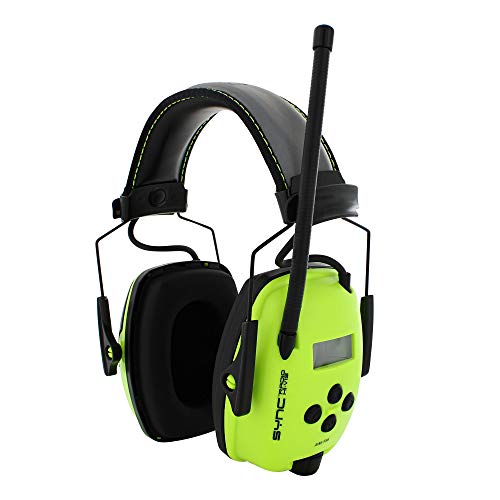
Howard Leight by Honeywell Sync
Excellent sound amplification for range use, with NRR 22 dB when turned on. Owners love the clear audio and reliable performance in loud environments.
Reasons to buy
- Good sound quality
- Comfortable padding
- Automatic shut-off saves batteries
Reasons to avoid
- Battery life could be longer (350 hrs)
- Not as high NRR as passive models

Decibullz Custom Molded Earplugs
Mold-to-fit design ensures a perfect seal, with NRR 31 dB. Users report excellent noise isolation and comfort after molding, great for sleeping or shooting.
Reasons to buy
- Custom moldable fit
- High NRR 31 dB
- Reusable and washable
Reasons to avoid
- Molding process takes time
- Can be uncomfortable if not molded properly
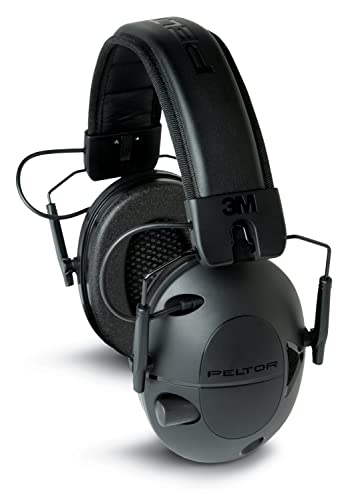
3M PELTOR SportTac 100
Electronic with NRR 24 dB, low-profile cups fit under helmets. Owners highlight the clear amplification and fast compression for impulse noise.
Reasons to buy
- Low profile for rifle use
- Good sound clarity
- Durable build
Reasons to avoid
- Battery compartment can be finicky
- Slightly expensive
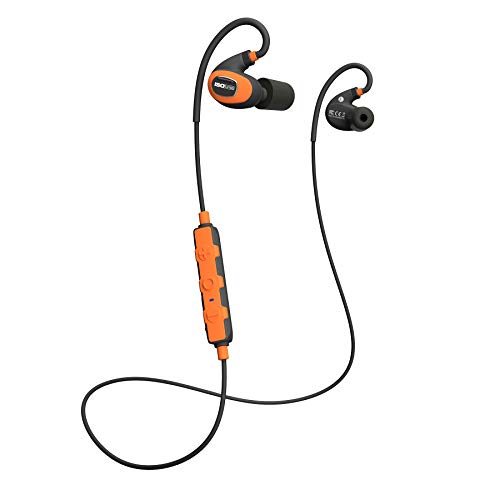
ISOtunes PRO 2.0
Earbud-style with NRR 27 dB, safe for job sites. Owners appreciate the long battery life and decent audio quality, though isolation isn't as high as muffs.
Reasons to buy
- Bluetooth 5.0 with 10-hour battery
- High NRR for earbuds
- Sweat-resistant
Reasons to avoid
- Earbuds may not fit all ear canals
- Not as isolating as over-ear muffs
What to look for
Noise Reduction Rating (NRR)
NRR indicates how many decibels the device can reduce. Higher NRR (e.g., 31 dB) is better for loud environments like shooting ranges or construction. However, real-world attenuation is often lower than the lab rating.
Comfort and Fit
For extended wear, look for padded headbands and soft ear cushions. Custom-molded earplugs offer the best fit but require time to mold. Over-ear muffs can get hot; breathable materials help.
Electronic vs. Passive
Electronic muffs amplify low-level sounds (like conversation) while blocking impulse noise. Passive muffs are simpler and often have higher NRR, but you can't hear warnings or commands.
Battery Life (for Electronic)
If you choose electronic, check battery life. Some models offer 350+ hours, while others need frequent changes. Rechargeable options are convenient but may have lower battery life.
Standards Compliance
Look for ANSI S3.19-1974 (US) or CE EN 352 (EU) certification. These ensure the product meets minimum safety requirements. Avoid uncertified products for serious use.
Our verdict
For maximum protection, passive over-ear muffs like the 3M PELTOR X5A offer the highest NRR, but electronic options provide situational awareness. Custom moldable earplugs are ideal for comfort and portability. Always verify NRR ratings and user reviews for real-world performance.
FAQs
NRR (Noise Reduction Rating) is the US standard, while SNR (Single Number Rating) is European. Both measure attenuation, but SNR is typically 3 dB higher for the same product. For example, NRR 31 dB is roughly SNR 34 dB.
Yes, electronic earmuffs are popular for shooting because they amplify range commands while protecting from gunshots. Look for a fast compression time (under 2 milliseconds) to avoid damage.
Disposable foam earplugs should be replaced after each use. Custom moldable earplugs can last months to years if cleaned regularly. Over-ear muffs should have cushions replaced every 6-12 months depending on use.
Only if they have a high NRR and are designed for safety, like ISOtunes PRO 2.0. Regular Bluetooth earbuds do not provide adequate protection and can actually increase risk if you turn up volume to compensate.