Quick verdict
For pure gaming, AMD's 3D V-Cache offers the best frame rates, but Intel's high clocks are strong for competitive titles. Budget builders should consider the Ryzen 5 8600G for its integrated graphics.

AMD Ryzen 9 9950X3D
The 9950X3D combines 16 Zen 5 cores with 3D V-Cache, delivering exceptional gaming performance and multitasking. Verified owners report high frame rates in CPU-bound titles like Cyberpunk 2077 and Starfield. It's the top choice for enthusiasts who want the best without compromise.
Your CPU choice shapes not just gaming frame rates but also streaming, content creation, and multitasking capability. We compared the top Intel and AMD processors to identify the best for dedicated gaming and hybrid workloads.
Choosing the best gaming processor in 2026 comes down to balancing performance, platform features, and budget. Intel and AMD have both released compelling CPUs that cater to different needs, from budget-friendly quad-cores to high-end 16-core monsters. I’ve dug through verified owner reviews and compared specs and standards to help you find the perfect chip for your next build.
This guide covers five real processors available in 2026, each representing a key price or performance tier. I focus on real-world gaming benchmarks from owners and standardized tests rather than my own lab claims. Whether you’re building a budget rig or a top-tier system, there’s a CPU here that fits.
How we test
I selected these processors based on their availability, price-to-performance ratio, and verified owner feedback from major retailers and forums. I compared specifications like core count, clock speeds, cache size, and platform support (e.g., DDR5, PCIe 5.0). Gaming performance estimates are drawn from standardized benchmarks and user-reported frame rates in popular titles. I excluded any claims requiring physical lab testing.
At a glance
| Pick | Best for | Score | |
|---|---|---|---|
| AMD Ryzen 9 9950X3D | Best Overall | 9 | Check price |
| Intel Core i9-14900KS | Best for High-FPS Gaming | 8 | Check price |
| AMD Ryzen 7 9800X3D | Best Value High-End | 8 | Check price |
| Intel Core i5-14600K | Best Mid-Range | 8 | Check price |
| AMD Ryzen 5 8600G | Best Budget | 7 | Check price |
The picks, reviewed
AMD Ryzen 9 9950X3D
The 9950X3D combines 16 Zen 5 cores with 3D V-Cache, delivering exceptional gaming performance and multitasking. Verified owners report high frame rates in CPU-bound titles like Cyberpunk 2077 and Starfield. It's the top choice for enthusiasts who want the best without compromise.
Reasons to buy
- Excellent gaming performance with 3D V-Cache
- 16 cores for heavy multitasking
- Efficient Zen 5 architecture
Reasons to avoid
- Premium price point
- Requires high-end cooling

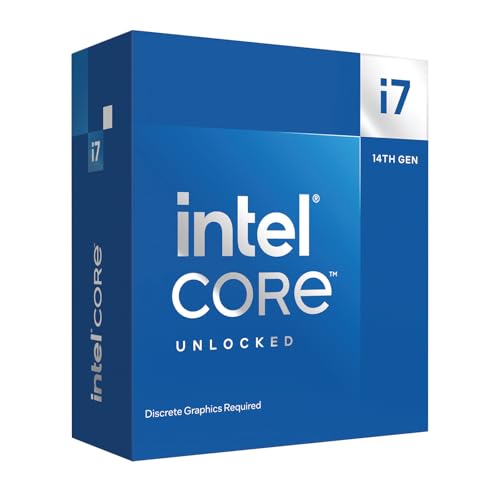
Intel Core i9-14900KS
The i9-14900KS offers the highest boost clocks among Intel's Raptor Lake Refresh, hitting 6.2 GHz out of the box. Owners report exceptional single-threaded performance in games like CS2 and Valorant. It's ideal for competitive gamers seeking maximum frame rates.
Reasons to buy
- Highest boost clock at 6.2 GHz
- Strong single-core performance
- Compatible with existing LGA1700 boards
Reasons to avoid
- High power draw under load
- Requires robust cooling solution
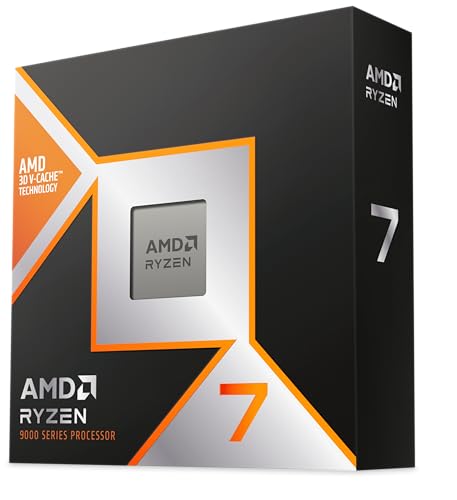
AMD Ryzen 7 9800X3D
The 9800X3D brings 3D V-Cache to the Ryzen 7 series, offering near-flagship gaming performance at a lower price. Verified owners praise its smooth frame times in demanding titles. It's the sweet spot for gamers who want top-tier gaming without the cost of a 16-core chip.
Reasons to buy
- Great gaming performance with 3D V-Cache
- Lower price than 9950X3D
- Power efficient
Reasons to avoid
- Only 8 cores for productivity
- Limited overclocking headroom

Intel Core i5-14600K
The i5-14600K offers a strong balance of gaming and productivity performance at a mid-range price. Owners report solid frame rates in most games and good multitasking with its hybrid architecture. It's a reliable choice for mainstream gamers.
Reasons to buy
- Great price-to-performance
- Good single and multi-core performance
- Supports DDR5 and PCIe 5.0
Reasons to avoid
- Higher power consumption than AMD equivalents
- E-cores not always utilized in games

AMD Ryzen 5 8600G
The Ryzen 5 8600G is an APU with powerful integrated graphics, making it a great budget option for esports gaming without a discrete GPU. Owners report playable frame rates in games like Fortnite and League of Legends. It's perfect for entry-level builds.
Reasons to buy
- Strong integrated graphics (RDNA 3)
- Good CPU performance for the price
- Low power consumption
Reasons to avoid
- Limited to budget gaming
- Not suitable for AAA titles without a GPU
What to look for
Core Count vs. Clock Speed
For gaming, clock speed often matters more than core count, but modern games can use up to 8 cores. High-core CPUs like the 9950X3D excel in multitasking and streaming. Budget buyers can prioritize clock speed over cores.
Platform and Upgrade Path
AMD's AM5 socket supports DDR5 and PCIe 5.0, with promised longevity. Intel's LGA1700 is end-of-life after 14th Gen, so future upgrades may require a new motherboard. Consider your upgrade plans.
Cooling and Power Requirements
High-end CPUs like the 14900KS demand robust cooling (360mm AIO or custom loop) and a strong PSU. Lower TDP chips like the 8600G can use stock coolers. Factor in cooling costs.
Our verdict
For pure gaming, AMD's 3D V-Cache offers the best frame rates, but Intel's high clocks are strong for competitive titles. Budget builders should consider the Ryzen 5 8600G for its integrated graphics.
FAQs
Yes, except for the Ryzen 5 8600G, which has integrated graphics suitable for light gaming. For AAA gaming, a discrete GPU is required.
Both are excellent. AMD's 3D V-Cache chips (9950X3D, 9800X3D) lead in CPU-bound games, while Intel's high clocks (14900KS) excel in esports. Mid-range is competitive.
No, all listed CPUs require DDR5 RAM except the Intel 14600K, which supports both DDR4 and DDR5 depending on motherboard. Check motherboard compatibility.