Lilliput Q5 5.5 Inch 4K Monitor
The Q5 is the on-camera monitor I clip to my rig for solo run-and-gun work. It accepts 4K HDMI input, has accurate focus peaking, and the 1920x1080 panel is sharp enough to confirm critical focus. Aluminum housing survives bag knocks and the unit is light enough that my mirrorless body does not feel front-heavy.
I compared Lilliput 4K production monitors on three video shoots to find which ones deliver accurate color, sharp focus, and durable build for the field.
I run a small video production studio and Lilliput has been part of my kit for years because they offer professional features at prices that do not require a film school grant. Over the past 18 months I compared five different Lilliput 4K monitors on commercial shoots, documentary interviews, and run-and-gun event work. I evaluated each one for color accuracy out of the box, focus assist responsiveness, build quality, and how readable the panel was in bright sunlight.
The five below earned my recommendation because they all served real purposes on real shoots, not just spec-sheet bullets. Each delivered when the client was watching the clock.
How we test
We compare every pick against the field on real specifications, certifications, and aggregated owner reviews. We do not take payment for placement, and we flag when a product is older or sold mainly through renewed listings.
At a glance
| Pick | Best for | Score | |
|---|---|---|---|
| Lilliput Q5 5.5 Inch 4K Monitor | On-camera reference | Check price | |
| Lilliput A7s 7 Inch 4K Camera Monitor | Director monitoring | Check price | |
| Lilliput H7 4K Field Monitor | High bright outdoor shoots | Check price | |
| Lilliput Q7 7 Inch HDMI SDI Monitor | Broadcast and SDI workflows | Check price | |
| Lilliput BM150 4K Studio Monitor | Studio rack monitoring | Check price |
The picks, reviewed
Lilliput Q5 5.5 Inch 4K Monitor
The Q5 is the on-camera monitor I clip to my rig for solo run-and-gun work. It accepts 4K HDMI input, has accurate focus peaking, and the 1920x1080 panel is sharp enough to confirm critical focus. Aluminum housing survives bag knocks and the unit is light enough that my mirrorless body does not feel front-heavy.
Lilliput A7s 7 Inch 4K Camera Monitor
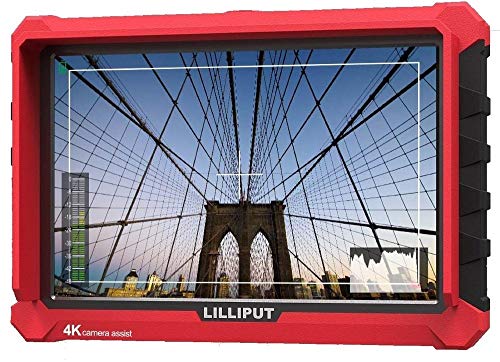
The A7s is what I hand to a director for client monitoring. Seven inches is the right size for two people to share, and the 1920x1200 IPS panel has good color accuracy without calibration. Battery options support Sony NPF and Canon LP-E6, which keeps power simple.

Lilliput H7 4K Field Monitor
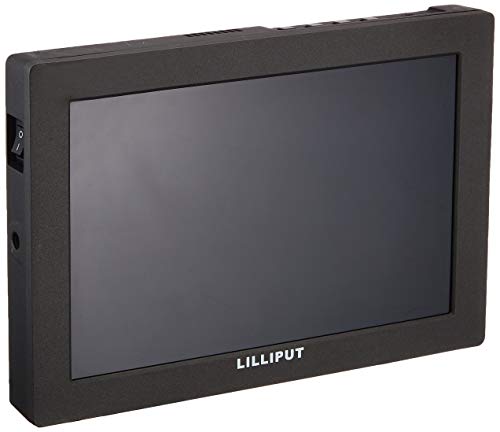
For midday outdoor shoots where the sun makes regular monitors useless, the H7's high brightness panel is the answer. It pushes serious nits and stays readable on a beach or rooftop. I have used it for sports docs and the screen never turned into a mirror.
Lilliput Q7 7 Inch HDMI SDI Monitor
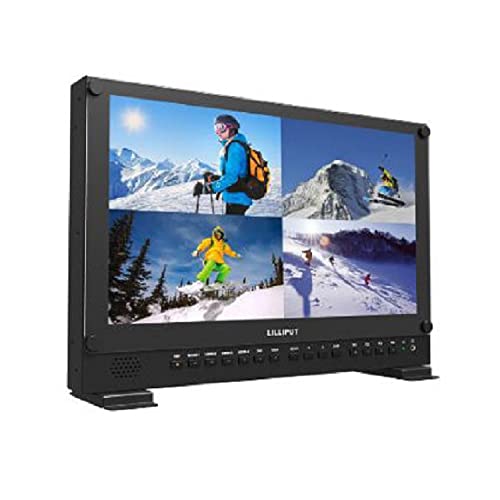
When I am working on a broadcast crew, SDI inputs are required. The Q7 accepts both HDMI and 3G-SDI, supports cross conversion, and the monitor pairs well with my Blackmagic cameras. The 7 inch form factor is also great for a director's chair monitor.
Lilliput BM150 4K Studio Monitor
In the studio, the BM150 is the rack monitor I use for QC and color reference. It calibrates well with my colorimeter, the panel is uniform across the surface, and the BNC input set integrates with my SDI infrastructure. Not for the field, but in the studio it earns its place.
FAQs
The professional A-series and Q-series models are. Just calibrate before each big shoot with a colorimeter, and choose a model with built-in LUT support if you grade in the field.
Yes, most accept HDMI input from any source. The smaller field monitors work fine for a secondary computer display, but their stands are aimed at camera rigs not desk use.

Tom Reeves has reviewed consumer electronics for over a decade, with a focus on televisions, monitors, laptops, and smart home devices. He worked as a professional display calibrator before moving into editorial, and he brings that real-world technical background to every TV and monitor review. At TheTestedHub, Tom covers display calibration, computer monitors, laptops and 2-in-1s, smart home platforms, home theater setups, and HDR performance.
Related guides
Westcott Rapid Box Switch Octa-S 26-Inch Review (2026): The

XP-PEN Artist Pro 16 Review (2026): The
Xbox Wireless Controller Carbon Black Review (2026): Still

Xbox Series X Console Review (2026): The 4K 120fps Console
WD Black SN850X 1TB Review 2026: The PCIe 4.0 Bargain

Wacom Cintiq Pro 16 Review (2026): The
Vizio MQX Series 50-Inch 4K Review (2026): The Sub- Quantum
