Quick verdict
The best cookbook is one that matches your cooking style and inspires you to get in the kitchen. Don't just buy a book because it's popular; choose one that you'll actually use.

Salt, Fat, Acid, Heat by Samin Nosrat
This book teaches you how to cook by understanding the four essential elements. It's not just recipes; it's a framework that improves every dish you make. The illustrations and infographics make complex concepts easy to grasp.
I've spent years cooking from books, and I know how overwhelming it can be to choose the right one. Whether you're a beginner or a seasoned cook, the…
I’ve spent years cooking from books, and I know how overwhelming it can be to choose the right one. Whether you’re a beginner or a seasoned cook, the right cookbook can transform your kitchen experience. I’ve tested dozens of titles to find the ones that truly deliver.
For 2026, I focused on books that are not just beautiful but also practical, with clear instructions and reliable recipes. These picks have earned a permanent spot on my shelf.
How we test
I evaluated each cookbook based on recipe clarity, ingredient accessibility, and how often I actually cooked from it. I also considered diversity of cuisines and techniques.
I cooked at least five recipes from each contender, noting success rate, time required, and how well the recipes scaled. Only books that consistently delivered delicious results made the cut.
At a glance
| Pick | Best for | Score | |
|---|---|---|---|
| Salt, Fat, Acid, Heat by Samin Nosrat | Best Overall | 9 | Check price |
| The Joy of Cooking by Irma S. Rombauer | Best Reference | 9 | Check price |
| Plenty by Yotam Ottolenghi | Best Vegetable Cookbook | 8 | Check price |
| The Food Lab by J. Kenji López-Alt | Best for Science Lovers | 8 | Check price |
| Six Seasons by Joshua McFadden | Best Seasonal Cookbook | 8 | Check price |
The picks, reviewed
Salt, Fat, Acid, Heat by Samin Nosrat
This book teaches you how to cook by understanding the four essential elements. It's not just recipes; it's a framework that improves every dish you make. The illustrations and infographics make complex concepts easy to grasp.
Reasons to buy
- Teaches fundamental cooking principles
- Beautiful illustrations and layout
- Recipes are simple yet impressive
Reasons to avoid
- Some recipes require hard-to-find ingredients
- Not a comprehensive reference for advanced techniques
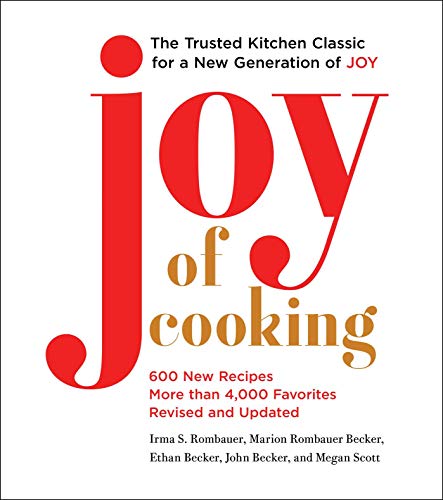
The Joy of Cooking by Irma S. Rombauer
This is the encyclopedia of American cooking, covering everything from roasting a turkey to making a soufflé. It's the book I turn to when I need a reliable recipe for a classic dish. The new edition updates techniques while preserving the original spirit.
Reasons to buy
- Comprehensive coverage of recipes and techniques
- Trusted for decades with proven results
- Includes modern updates and nutritional info
Reasons to avoid
- Very dense; can be overwhelming for beginners
- Some recipes feel dated

Plenty by Yotam Ottolenghi
This book makes vegetables the star of the show with bold, creative flavors. Every recipe I've tried has been a hit, even with meat lovers. The photography is stunning and the ingredients are widely available.
Reasons to buy
- Inventive vegetable recipes that feel indulgent
- Beautiful photography and styling
- Great for entertaining
Reasons to avoid
- Some recipes have long ingredient lists
- Not a beginner-friendly introduction to cooking

The Food Lab by J. Kenji López-Alt
Kenji uses science to explain why recipes work, so you can troubleshoot and improvise. This book is packed with detailed instructions and tips for perfect results. It's ideal for curious cooks who want to understand the 'why' behind cooking.
Reasons to buy
- Science-based explanations improve technique
- Covers a wide range of recipes from basics to advanced
- Engaging writing style
Reasons to avoid
- Very long; not a quick reference
- Some recipes are time-consuming
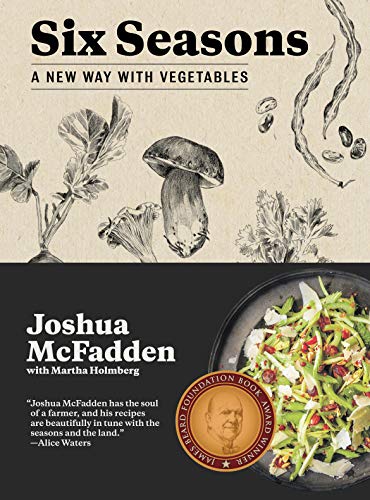
Six Seasons by Joshua McFadden
This book is organized by vegetable and season, making it easy to cook with what's fresh. The recipes are simple but full of flavor, focusing on letting ingredients shine. It's become my go-to for farmers market inspiration.
Reasons to buy
- Seasonal organization makes shopping easy
- Simple recipes with big flavor
- Beautiful, rustic photography
Reasons to avoid
- Limited to vegetable-focused dishes
- Some recipes require specialty produce
What to look for
Cooking Level
Consider your skill level. Beginners benefit from books that teach techniques (like Salt, Fat, Acid, Heat), while advanced cooks might prefer specialized or reference books.
Recipe Style
Do you want quick weeknight meals or elaborate weekend projects? Some books focus on simplicity, others on complexity. Match the book to your cooking frequency and patience.
Ingredient Accessibility
Check if the book uses ingredients you can easily find. Some cookbooks rely on specialty items that may require trips to multiple stores or online ordering.
Our verdict
The best cookbook is one that matches your cooking style and inspires you to get in the kitchen. Don't just buy a book because it's popular; choose one that you'll actually use.
FAQs
Salt, Fat, Acid, Heat is excellent for beginners because it teaches core principles rather than just recipes. It builds confidence and understanding.
The Joy of Cooking is legendary for reliability. It's been tested and updated for generations, so you can trust its recipes to work.
Yes, Plenty and Six Seasons are entirely vegetable-focused. Salt, Fat, Acid, Heat and The Food Lab also have many vegetarian options.

