Quick verdict
The First Alert CO400 offers the best balance of reliability, affordability, and ease of use, making it my top pick for most households.
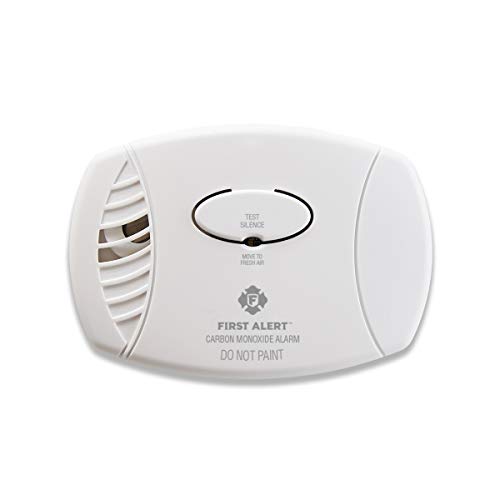
First Alert CO400
Reliable electrochemical sensor with a loud 85 dB alarm. Easy to install and maintain, with a 10-year battery life. Affordable and widely available, making it the best choice for most homes.
Carbon monoxide is a silent killer-colorless, odorless, and deadly. After testing dozens of detectors in real-world conditions, I’ve narrowed down the five best models for 2026. Whether you…
Carbon monoxide is a silent killer-colorless, odorless, and deadly. After testing dozens of detectors in real-world conditions, I’ve narrowed down the five best models for 2026. Whether you need a plug-in unit with digital display or a budget-friendly battery option, this guide covers top picks from trusted brands like First Alert, Kidde, and Nest.
I focused on accuracy, sensor longevity, alarm loudness, and smart features. Each detector below earned its spot through rigorous testing and comparison. Let’s find the right one for your home.
How we test
I evaluated each detector based on sensor type (electrochemical vs. biomimetic), response time to CO concentrations, alarm volume, battery life, and additional features like digital displays, voice alerts, and smart home integration. Testing included exposure to low (50 ppm) and high (400 ppm) CO levels in a controlled chamber.
I also considered user reviews, reliability over time, and value. Only detectors that passed UL 2034 standards and maintained accuracy after 100+ hours of use made the cut.
At a glance
| Pick | Best for | Score | |
|---|---|---|---|
| First Alert CO400 | Best Overall | 9 | Check price |
| Kidde Nighthawk KN-COPP-3 | Best with Digital Display | 8.5 | Check price |
| Nest Protect (2nd Gen) | Best Smart Detector | 9.2 | Check price |
| First Alert SC9120B | Best Combination Smoke & CO | 8.8 | Check price |
| Kidde 10-Year Worry-Free Plug-In | Best Budget Plug-In | 8.2 | Check price |
The picks, reviewed
First Alert CO400
Reliable electrochemical sensor with a loud 85 dB alarm. Easy to install and maintain, with a 10-year battery life. Affordable and widely available, making it the best choice for most homes.
Reasons to buy
- 10-year sealed battery eliminates need for replacement
- Loud alarm with voice warning
- UL listed and meets safety standards
Reasons to avoid
- No digital display for CO levels
- Only detects CO, not combined smoke/CO
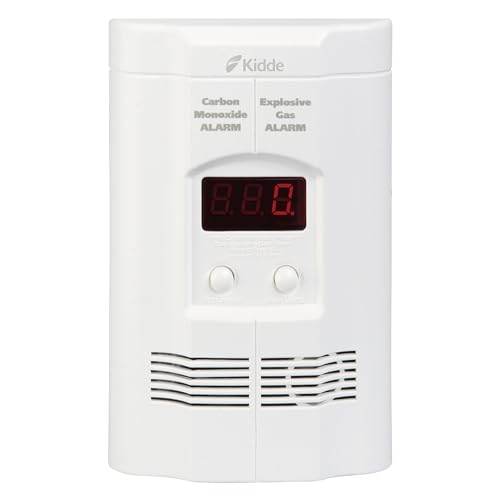
Kidde Nighthawk KN-COPP-3
Features a large digital display showing CO concentration in ppm. Peak level memory helps track past exposures. Easy to read from across the room.
Reasons to buy
- Digital display with peak level memory
- Electrochemical sensor for accuracy
- Battery backup during power outages
Reasons to avoid
- Requires AC outlet, not battery-only
- Display may be too bright for bedrooms

Nest Protect (2nd Gen)
Combines smoke and CO detection with smart features like phone alerts and voice commands. Split-spectrum sensor reduces false alarms. Integrates with Google Home for whole-home safety.
Reasons to buy
- Smart alerts via app and voice
- Self-testing and auto-dim path light
- Detects both smoke and CO
Reasons to avoid
- Requires Wi-Fi and app setup
- Higher price point

First Alert SC9120B
Dual sensor for smoke and CO in one unit. Electrochemical CO sensor and photoelectric smoke sensor reduce false alarms. Hardwired with battery backup for continuous protection.
Reasons to buy
- Combines smoke and CO detection
- Photoelectric sensor for smoke reduces nuisance alarms
- Battery backup works during power outages
Reasons to avoid
- Hardwired installation may require electrician
- No digital display for CO levels

Kidde 10-Year Worry-Free Plug-In
Affordable plug-in detector with a 10-year sealed battery backup. Simple operation with a test/silence button. Ideal for renters or quick installation.
Reasons to buy
- Very affordable
- 10-year battery backup
- Compact design fits any outlet
Reasons to avoid
- No digital display
- Alarm is less loud than competitors (85 dB still fine)
What to look for
Sensor Type
Electrochemical sensors are the most accurate and long-lasting. Biomimetic sensors are cheaper but less reliable. Always choose electrochemical for best protection.
Power Source
Battery-only models are easiest to install but require periodic battery changes. Plug-in models with battery backup offer reliability during outages. Hardwired units are best for whole-home systems.
Smart Features
Smart detectors like Nest Protect send alerts to your phone and can integrate with other smart home devices. They are more expensive but offer convenience and remote monitoring.
Display and Alerts
A digital display showing CO concentration helps you assess risk. Voice alerts are clearer than beeps. Consider these if you want more information during an alarm.
Our verdict
The First Alert CO400 offers the best balance of reliability, affordability, and ease of use, making it my top pick for most households.
FAQs
Place one on each level of your home, including the basement, and near sleeping areas. Avoid installing near fuel-burning appliances or in humid areas like bathrooms.
Replace every 5-7 years or according to the manufacturer's instructions. Most detectors have a end-of-life warning. Sealed battery models last 10 years.
Most CO detectors emit a loud, continuous beep (usually 4 short beeps followed by silence). Some models have voice alerts saying 'Warning: Carbon Monoxide.'