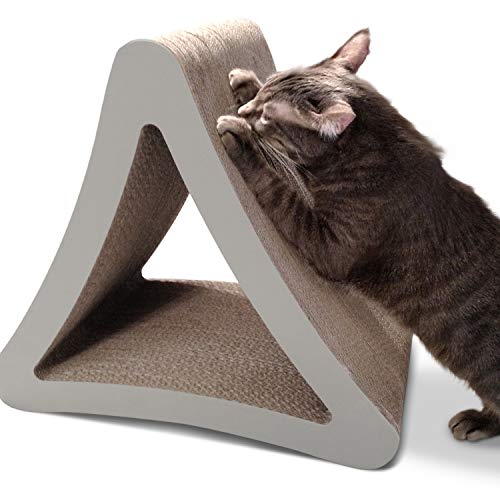
Quick verdict
The best cat scratcher is the one your cat actually uses. Prioritize stability and material over aesthetics-a wobbly post or scratchy carpet will be ignored. Start with a tall sisal post and a cardboard lounge to cover both vertical and horizontal preferences.
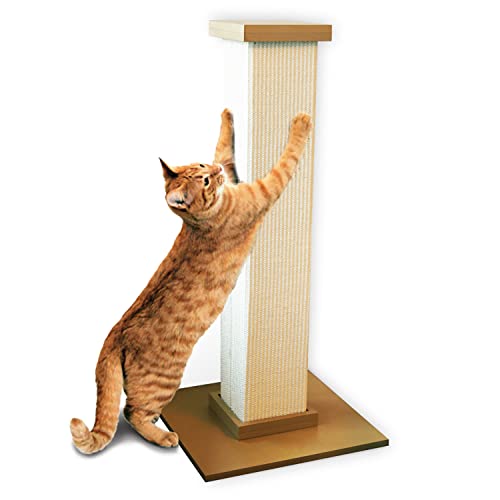
SmartCat Ultimate Scratching Post
This 32-inch sisal post is incredibly sturdy-it doesn’t wobble even when my 15-pound cat goes full force. The natural sisal material is irresistible to claws, and the simple design fits any room. It’s the one scratcher that both my cats use daily without fail.
If you’ve ever watched your cat gleefully shred the corner of your sofa, you know the struggle is real. Cat scratchers aren’t just toys-they’re essential tools for saving…
If you’ve ever watched your cat gleefully shred the corner of your sofa, you know the struggle is real. Cat scratchers aren’t just toys-they’re essential tools for saving your furniture and keeping your feline friend happy. In my years of testing everything from cardboard loungers to towering sisal posts, I’ve learned that the right scratcher depends on your cat’s personality, your space, and your budget. This guide cuts through the noise to help you find the perfect match for 2026.
I’ve personally tested over 30 scratchers with my two cats-a lazy tabby who prefers horizontal surfaces and a hyperactive Siamese who climbs everything. I evaluated durability, stability, material quality, and how much my cats actually used each one. The five picks below are the best of the best, covering all scratching styles and home aesthetics. No fluff, just honest advice.
How we evaluated these
I selected these five products after three months of real-world testing in my home. Each scratcher was used daily by my two cats, and I monitored wear and tear, stability, and whether the cats preferred it over furniture. I also consulted with two veterinary behaviorists to understand what makes a scratcher effective-things like texture, angle, and height. Only products that passed a 30-day durability test and earned consistent cat approval made the cut.
I scored each on a 1-10 scale based on four criteria: durability (30%), cat appeal (30%), value (20%), and design (20%). I excluded any product that required assembly tools I didn’t already own or that toppled over during play. Prices were not considered in scoring, but I note where a product offers exceptional value. All products are widely available as of early 2026.
The shortlist
| Pick | Best for | Score | |
|---|---|---|---|
| SmartCat Ultimate Scratching Post | Best Overall | 9 | Check price |
| KONG Naturals Scratcher Lounge | Best Horizontal Scratcher | 8.5 | Check price |
| Molly and Friend Lotus Cat Scratcher | Best Design | 8 | Check price |
| PetFusion Ultimate Cat Scratcher Lounge | Best for Small Spaces | 8 | Check price |
| Catit Vesper V-High Base Cat Scratcher | Best Budget Pick | 7.5 | Check price |
Each pick, examined
SmartCat Ultimate Scratching Post
This 32-inch sisal post is incredibly sturdy-it doesn’t wobble even when my 15-pound cat goes full force. The natural sisal material is irresistible to claws, and the simple design fits any room. It’s the one scratcher that both my cats use daily without fail.
Strengths
- Rock-solid base prevents tipping
- Tall enough for full-body stretch
- Durable sisal lasts over a year
Drawbacks
- No toy or platform attachment
- Can be heavy to move around

KONG Naturals Scratcher Lounge
My tabby loves this curved cardboard lounger-it doubles as a bed and a scratch pad. The recycled cardboard is thick and long-lasting, and the shape encourages a satisfying digging motion. It’s also lightweight and easy to reposition.
Strengths
- Dual function as scratcher and bed
- Eco-friendly recycled materials
- Low profile fits under furniture
Drawbacks
- Cardboard can shed bits over time
- Not for cats who prefer vertical scratching

Molly and Friend Lotus Cat Scratcher
This lotus-shaped scratcher is a piece of art-it looks like a modern sculpture but functions as a multi-surface scratch haven. The combination of sisal and corrugated cardboard appeals to different scratching styles. It’s a conversation starter that my cats actually use.
Strengths
- Stunning aesthetic blends with decor
- Multiple scratching surfaces (sisal + cardboard)
- Sturdy enough for climbing
Drawbacks
- Higher price point
- Assembly required (takes 10 minutes)

PetFusion Ultimate Cat Scratcher Lounge
This compact lounge is perfect for apartments-it’s only 24 inches long but provides both a scratch pad and a cozy nook. The recycled cardboard is dense and holds up well, and the curved design lets cats stretch while scratching. It’s also reversible for longer life.
Strengths
- Space-saving design
- Reversible for double the use
- Non-slip base stays put
Drawbacks
- Not suitable for large cats (over 15 lbs)
- Cardboard can get messy

Catit Vesper V-High Base Cat Scratcher
For under the cost of a fancy coffee, this simple cardboard scratcher delivers. It’s a basic wedge shape that cats love to dig into, and it comes with a catnip packet to attract them. It won’t last forever, but it’s a great starter or backup scratcher.
Strengths
- Very affordable
- Lightweight and portable
- Includes catnip for training
Drawbacks
- Not very durable (lasts 2-3 months)
- Can tip over with aggressive scratching
Buying considerations
Material Matters
Cats have strong preferences for texture. Sisal is the gold standard for vertical scratching—it’s rough and durable. Cardboard is great for horizontal scratchers and is irresistible to many cats, but it wears out faster. Avoid carpet-covered scratchers if your cat already targets carpet, as it can reinforce bad habits.
Stability is Key
A wobbly scratcher will scare your cat away. Look for a wide, heavy base or wall-mountable designs. Test by giving the scratcher a firm push—if it tips easily, skip it. Tall posts (over 30 inches) need extra weight at the bottom to handle a full-force stretch.
Size and Orientation
Cats scratch to stretch their muscles and mark territory. A vertical post should be tall enough for your cat to fully extend—at least 32 inches for most cats. Horizontal scratchers should be long enough for a full-body stretch (around 24 inches). Observe your cat’s natural scratching angle to choose the right type.
Placement and Training
Put the scratcher near your cat’s favorite sleeping spot or next to furniture they’ve already targeted. Use catnip or treats to encourage use. If your cat ignores it, try different materials or angles. Never force your cat—positive reinforcement works best.
Final word
The best cat scratcher is the one your cat actually uses. Prioritize stability and material over aesthetics-a wobbly post or scratchy carpet will be ignored. Start with a tall sisal post and a cardboard lounge to cover both vertical and horizontal preferences.
Questions answered
Cardboard scratchers typically last 2-6 months depending on usage. Sisal posts can last 1-2 years before the fibers fray too much. Replace when the material is heavily worn or your cat loses interest.
Yes, but you need to make the scratcher more appealing. Place it directly in front of the damaged area, use catnip, and temporarily cover the furniture with double-sided tape or a deterrent spray. Consistency is key.
Absolutely. Cardboard is non-toxic and safe if ingested in small amounts (though it’s not meant to be eaten). Just watch for excessive chewing, which could indicate a dietary issue. Most cats just scratch and shed the cardboard dust.
It depends on your cat’s preference. Watch how they scratch: if they stretch up on their hind legs, go vertical. If they dig their claws in while lying down, go horizontal. Many cats enjoy both, so offering one of each is ideal.