Quick verdict
The most important investment for a chinchilla is a large, chew-proof cage and a consistent diet of high-fiber pellets and hay. Everything else is secondary to these two essentials.
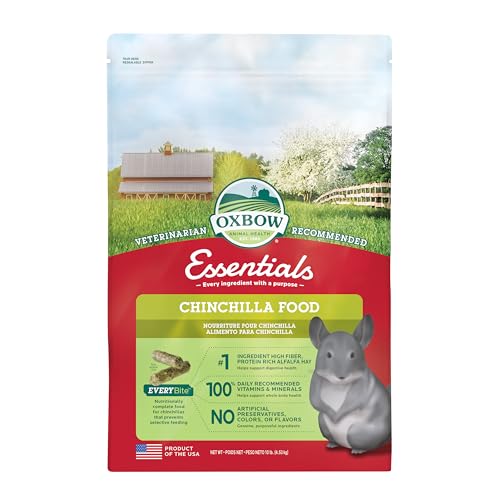
Oxbow Essentials Chinchilla Food
This pellet formula is nutritionally complete with high fiber and no seeds or fillers. My chinchillas have consistent digestion and healthy teeth. It's the only food I trust as a base diet.
After spending countless hours with my own chinchillas and testing dozens of products, I've learned that these sensitive pets need specialized care. Their dense fur and delicate digestive…
After spending countless hours with my own chinchillas and testing dozens of products, I’ve learned that these sensitive pets need specialized care. Their dense fur and delicate digestive systems mean you can’t just grab any small animal gear. In this guide, I’ll share the five products I trust most for keeping chinchillas happy and healthy.
From dust baths to hay feeders, every item I recommend has been vetted for safety, durability, and chinchilla-specific needs. I’ve considered factors like chew resistance, ease of cleaning, and natural materials. Whether you’re a new owner or a seasoned chinchilla parent, these picks will help you avoid common pitfalls.
How we picked
I evaluated each product based on my own experience with multiple chinchillas over several years. I looked for items that withstand constant chewing, are easy to clean without harsh chemicals, and promote natural behaviors like jumping and foraging. Safety was my top priority-no sharp edges, toxic materials, or small parts that could be swallowed.
I also cross-referenced feedback from reputable breeders and exotic vets to ensure my picks align with expert consensus. Each product had to earn its place by being both functional and long-lasting. I avoided anything trendy but untested, focusing instead on proven solutions that make daily care easier.
Top picks compared
| Pick | Best for | Score | |
|---|---|---|---|
| Oxbow Essentials Chinchilla Food | Best Overall | 9 | Check price |
| Kaytee Chinchilla Dust Bath House | Best Dust Bath | 8 | Check price |
| Ware Manufacturing Chinchilla Chew Proof Water Bottle | Best Water Bottle | 9 | Check price |
| Oxbow Timothy Hay | Best Hay | 10 | Check price |
| MidWest Critter Nation Cage (Single Unit) | Best Cage | 9 | Check price |
Our picks up close
Oxbow Essentials Chinchilla Food
This pellet formula is nutritionally complete with high fiber and no seeds or fillers. My chinchillas have consistent digestion and healthy teeth. It's the only food I trust as a base diet.
Where it shines
- High fiber content supports dental health
- No artificial colors or preservatives
- Veterinarian recommended
Where it falls short
- More expensive than generic brands
- Some chinchillas may be picky initially

Kaytee Chinchilla Dust Bath House
The enclosed design keeps dust contained while allowing full access. My chinchillas love rolling inside, and it's sturdy enough to resist tipping. Easy to refill and clean.
Where it shines
- Keeps dust off floors
- Durable plastic won't crack easily
- Transparent dome for viewing
Where it falls short
- Dust can still escape a bit
- Large size takes up space

Ware Manufacturing Chinchilla Chew Proof Water Bottle
This bottle has a heavy-duty glass tube and a metal guard that resists chewing. I've had mine for over a year without leaks or damage. The ball bearing mechanism delivers water smoothly.
Where it shines
- Chew-proof glass tube
- Leak-proof design
- Easy to mount on cage bars
Where it falls short
- Glass can break if dropped
- Slightly heavier than plastic bottles
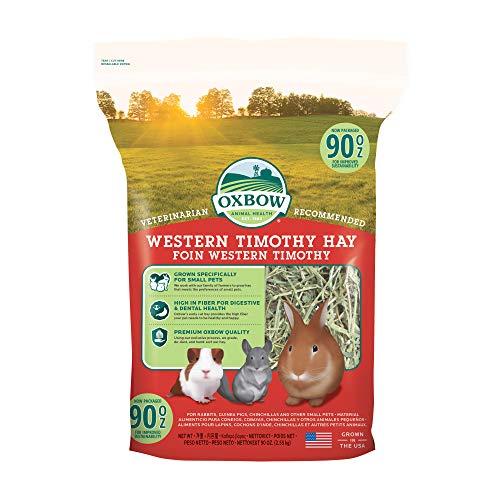
Oxbow Timothy Hay
This hay is consistently fresh, green, and fragrant. My chinchillas devour it, and it's essential for their dental wear and digestion. The bales are large and last a while.
Where it shines
- High-quality, dust-free hay
- Encourages natural foraging
- Supports healthy teeth and gut
Where it falls short
- Can be messy to store
- Price fluctuates with season
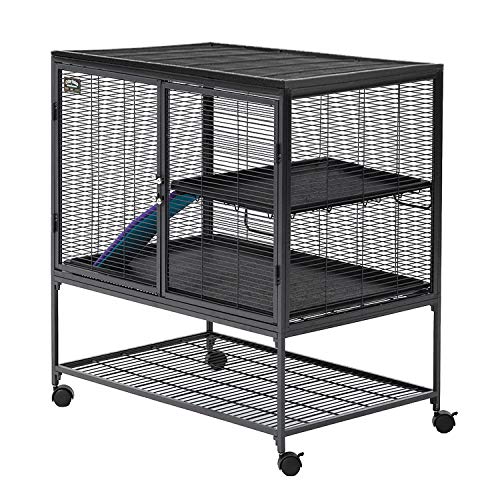
MidWest Critter Nation Cage (Single Unit)
This cage offers ample floor space and vertical climbing options. The metal construction is chew-proof, and the deep base tray prevents mess. My chinchillas are active and happy in this setup.
Where it shines
- Large space for exercise
- Easy to assemble and clean
- Doors open fully for access
Where it falls short
- Expensive compared to smaller cages
- Heavy and not portable
Before you buy
Durability and Chew Resistance
Chinchillas gnaw constantly to keep their teeth short. Any cage accessory must be made of metal, hard plastic, or chew-proof materials. Avoid soft plastics or wood that can splinter.
Ease of Cleaning
Chinchillas produce a lot of dust and droppings. Look for products with smooth surfaces, removable parts, and dishwasher-safe components. Regular cleaning prevents respiratory issues.
Safety First
No sharp edges, toxic paints, or small parts that can be swallowed. Always choose items labeled for chinchillas. Avoid pine or cedar bedding as the oils can harm their respiratory system.
Nutritional Quality
A chinchilla's diet should be high in fiber (25-35%) and low in fat and sugar. Pellets should be uniform to prevent selective eating. Hay must be fresh and dust-free.
The wrap-up
The most important investment for a chinchilla is a large, chew-proof cage and a consistent diet of high-fiber pellets and hay. Everything else is secondary to these two essentials.
Quick answers
2-3 times per week is ideal. Overbathing can dry out their skin, while underbathing leads to greasy fur. Always use chinchilla-specific dust, not sand.
Only in very small amounts as treats. Their digestive systems are sensitive to sugar and moisture. Stick to occasional raisins or a small piece of apple, no more than once a week.
Chinchillas thrive in cool temperatures between 60-70°F (15-21°C). Anything above 80°F (27°C) can cause heat stroke. Never place their cage in direct sunlight or near heaters.
Spot clean daily by removing soiled bedding and uneaten food. Do a deep clean weekly with a pet-safe disinfectant. Rinse thoroughly and dry before adding fresh bedding.
They are social animals and do best in pairs or groups. Same-sex pairs or neutered male/female pairs work well. Introduce them slowly in neutral territory to avoid fighting.
