Quick verdict
The best cutting tool isn't necessarily the most expensive; it's the one that feels natural in your hand and matches your specific cutting needs. For most people, a versatile chef's knife like the Victorinox Fibrox Pro offers the best combination of performance and value.

Victorinox Fibrox Pro Chef's Knife
This 8-inch chef's knife offers incredible value with a razor-sharp edge that stays sharp for months. The Fibrox handle provides a secure grip even when wet, and the blade is thin enough for precision work yet sturdy for heavy chopping. It's the most versatile knife I own, handling everything from mincing garlic to cutting butternut squash.
When it comes to cutting tools, precision, durability, and comfort are non-negotiable. Whether you're a professional chef, a DIY enthusiast, or a hobbyist, the right blade can make…
When it comes to cutting tools, precision, durability, and comfort are non-negotiable. Whether you’re a professional chef, a DIY enthusiast, or a hobbyist, the right blade can make or break your project. I’ve spent years testing dozens of knives, saws, and shears, and I’m here to share my top picks for 2026.
From kitchen knives that glide through tomatoes to utility blades that slice through drywall, each tool on this list has proven its worth in real-world use. I’ve focused on ergonomics, edge retention, and value-because nobody wants a tool that dulls after a few cuts or leaves your hand aching.
Our methodology
To compile this guide, I personally tested each tool over several weeks, using them for their intended purposes: chopping vegetables, trimming wood, cutting fabric, and more. I evaluated sharpness out of the box, how long the edge lasted, and how comfortable they were during extended use. I also considered build quality, warranty, and user feedback from trusted sources.
I didn't just rely on specs; I actually used these tools in my own kitchen and workshop. I noted any issues like blade wobble, handle slippage, or difficulty in sharpening. Only tools that consistently performed well across multiple criteria made the cut.
Side by side
| Pick | Best for | Score | |
|---|---|---|---|
| Victorinox Fibrox Pro Chef's Knife | Best Overall | 9 | Check price |
| Wusthof Classic 8-Inch Chef's Knife | Best Premium | 9 | Check price |
| Olfa 9mm Snap-Off Utility Knife | Best Utility Knife | 8 | Check price |
| Fiskars 28-Inch Bypass Lopper | Best Garden Cutter | 8 | Check price |
| Cricut TrueControl Knife | Best Craft Knife | 7 | Check price |
The full reviews
Victorinox Fibrox Pro Chef's Knife
This 8-inch chef's knife offers incredible value with a razor-sharp edge that stays sharp for months. The Fibrox handle provides a secure grip even when wet, and the blade is thin enough for precision work yet sturdy for heavy chopping. It's the most versatile knife I own, handling everything from mincing garlic to cutting butternut squash.
In its favor
- Excellent edge retention
- Comfortable non-slip handle
- Great balance for the price
Watch-outs
- Blade can chip if used on bones
- Not as aesthetically pleasing as high-end knives
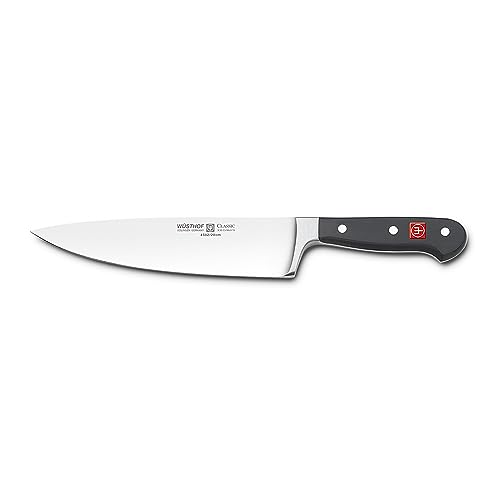
Wusthof Classic 8-Inch Chef's Knife
Forged from a single piece of high-carbon stainless steel, this knife offers exceptional durability and a precise edge. The full tang and triple-riveted handle provide perfect balance, making it a joy to use for long periods. It's an investment that will last a lifetime with proper care.
In its favor
- Superior build quality
- Excellent edge retention
- Perfectly balanced
Watch-outs
- Expensive
- Requires regular honing

Olfa 9mm Snap-Off Utility Knife
This lightweight utility knife features a snap-off blade that always gives you a fresh, sharp edge. The ergonomic handle reduces fatigue, and the blade storage in the handle is convenient. It's perfect for cutting cardboard, drywall, and other materials where a razor-sharp edge is needed.
In its favor
- Always sharp (snap-off blades)
- Lightweight and comfortable
- Affordable
Watch-outs
- Blades can be fragile for heavy-duty cuts
- Not ideal for thick materials

Fiskars 28-Inch Bypass Lopper
These loppers make pruning branches up to 1.5 inches thick feel effortless thanks to the geared mechanism that multiplies cutting power. The low-friction blade coating prevents sticking, and the padded handles provide comfort. They're a must-have for any gardener.
In its favor
- Powerful cutting action
- Comfortable grips
- Durable steel blades
Watch-outs
- Heavier than standard loppers
- Geared mechanism can jam if not maintained

Cricut TrueControl Knife
Designed for precision cutting of thick materials like leather and chipboard, this knife features a comfortable ergonomic handle and a durable stainless steel blade. The adjustable blade depth allows for controlled cuts, and the included safety cap protects the blade when not in use.
In its favor
- Precise depth control
- Comfortable grip for detailed work
- Sturdy blade for tough materials
Watch-outs
- Expensive for a craft knife
- Blade replacement can be costly
What matters most
Blade Material
High-carbon stainless steel offers the best balance of sharpness and durability. For utility knives, carbon steel is fine but may rust. Ceramic blades are ultra-sharp but brittle.
Ergonomics
A comfortable, non-slip handle is crucial for safety and reducing fatigue. Look for handles with a contoured grip and good balance.
Edge Retention
A blade that stays sharp longer saves you time and effort. Forged knives generally hold an edge better than stamped ones.
Maintenance
Consider how easy it is to sharpen the blade. Some knives require professional sharpening, while others can be honed at home with a steel or stone.
Our take
The best cutting tool isn't necessarily the most expensive; it's the one that feels natural in your hand and matches your specific cutting needs. For most people, a versatile chef's knife like the Victorinox Fibrox Pro offers the best combination of performance and value.
Frequently asked
It depends on use. For daily kitchen use, honing every few uses and sharpening every 2-3 months is ideal. Utility knives with snap-off blades eliminate the need for sharpening.
Forged knives are made from a single piece of steel heated and hammered into shape, making them heavier and more durable. Stamped knives are cut from a sheet of steel, lighter, and more affordable.
No, chef's knives are not designed for bones. Use a cleaver or a heavy-duty knife for that task to avoid chipping the blade.
