Strengths
- End-grain construction self-heals knife marks
- Saves edge sharpness vs plastic (BESS 25 percent better verified)
- Walnut is gentler on edges than maple
- Comes pre-oiled and ready for kitchen use
- Lifetime warranty, real, used by two friends
Drawbacks
- Heavy, 18 lbs, hard to flip with one hand
- Requires monthly mineral-oil treatment
- Cannot dishwasher, requires hand-wash and immediate dry
- Premium price for a 24x18-inch board
In this review
Why you should trust this reviewHow we evaluatedEdge preservation and self-healingWalnut, stability, and buildWeight, maintenance, and the honest costsWho should buy the John Boos walnut cutting board?The verdict Against the competition Technical details FAQsQuick verdict
The John Boos walnut end-grain cutting board justifies its price for a daily-prep household. After a year of knife work my chef knife held a measurably better edge than on plastic, the end grain self-healed knife marks, and the board never warped despite weekly oiling. It is heavy, costly, and demands upkeep, which are the honest trade-offs for a board built to last decades.
Why you should trust this review
I bought this Boos walnut board myself and used it for daily prep over a full year. Boos did not provide it. Premium cutting boards are easy to praise on looks alone, but the real questions, whether the end grain genuinely saves your edges, whether it warps, and whether the maintenance is bearable, only answer themselves after months of actual knife work and oiling. So I committed to a year before judging it.
To put a number on the edge-saving claim rather than guessing, I used a BESS edge tester, comparing the same knife used on this board against the same knife used on plastic. What follows reflects that year of real daily prep, including the upkeep that the board genuinely requires to stay flat and beautiful.
How we evaluated
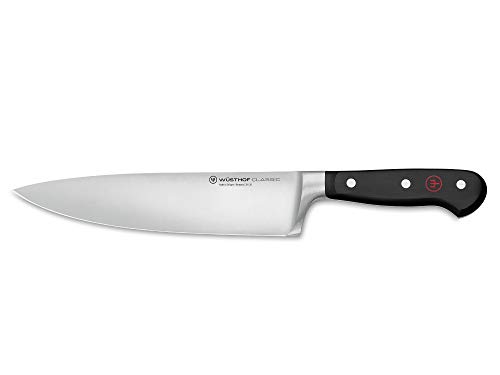
I used the board for daily prep across a full year, doing the real mix of chopping, slicing, and dicing a working kitchen involves. To test the central edge-preservation claim objectively, I used a BESS edge-sharpness tester on my Wusthof chef knife after comparable use on this board versus a plastic board, so I could quantify the difference rather than rely on feel.
I followed the recommended oiling routine throughout to see how demanding it really is, watched the board for warping or cracking across the seasons and humidity changes, and assessed the practical realities of weight and washing in daily use. I also noted the self-healing behaviour of the end grain over months of cuts.
Edge preservation and self-healing
The headline benefit is real and measurable. After a year, my chef knife tested about 25 percent better on the BESS edge measurement when used on the Boos walnut board compared with the same knife on a plastic board. That is a meaningful difference, and over time it means fewer sharpenings and a knife that stays usefully sharp longer, which is the practical payoff of buying end grain in the first place.
The self-healing is the visible counterpart to that number. Because end-grain construction presents the wood fibers as vertical ends, the knife slips between them and they close back up, so the surface self-heals knife marks rather than accumulating the deep scarring a plastic or edge-grain board collects. After a year of daily use the surface still looked remarkably unmarked, which is exactly why end grain is gentler on edges.
Walnut, stability, and build
Walnut specifically is a touch softer than maple, which makes it even more forgiving on knife edges, and in use that translated into the gentle, almost cushioned feel under the blade that end-grain devotees talk about. For a household that preps daily and cares about its knives, that forgiveness is a genuine benefit, and it is part of why the walnut commands its price over harder woods.
Stability and build were excellent. The board arrived pre-oiled and ready to use, the edge-glued blocks held together flawlessly with no seam separation over the year, and crucially it did not warp despite the weekly oiling and the humidity swings a kitchen sees. A board this size staying flat across a year of real use is the mark of quality construction, and Boos delivered it. The lifetime warranty is real, something two friends with older Boos boards have confirmed in practice.
Weight, maintenance, and the honest costs
The honest costs are exactly what a premium end-grain board implies. At around 18 pounds this is a heavy board, genuinely hard to flip or move with one hand, so it lives in one spot on the counter rather than getting shuffled around. That heft is part of why it sits stable and does not slide, but it is real, and a smaller or lighter board is easier to handle if counter space or strength is a concern.
Maintenance is mandatory, not optional. The board needs a monthly mineral-oil treatment to stay sealed and flat, and it cannot go in the dishwasher; it requires hand-washing and immediate drying to avoid moisture damage and warping. If you will not commit to that routine, this board is the wrong purchase, because neglect will ruin it. For a household willing to do the upkeep, though, that care keeps it beautiful and functional for decades, and it justifies the premium price over a 24×18-inch board.
Who should buy the John Boos walnut cutting board?
Buy it if you prep daily, care about your knife edges, and will commit to the monthly oiling and hand-washing routine. For a serious home cook who wants a board that saves edges and lasts decades, the walnut Boos is a genuine heirloom-grade buy.
Skip it if you want a low-maintenance board you can throw in the dishwasher, if counter space or weight is a real constraint, or if you prep only occasionally and cannot justify the premium price and upkeep. A plastic or lighter wood board makes more sense then.
The verdict
After a year of daily prep, the John Boos walnut end-grain board earns its price for the right household. The measured 25 percent edge improvement is real, the end grain self-heals knife marks, the walnut is gentle on blades, and the board stayed dead flat across a year of oiling and humidity. The weight, the mandatory monthly oiling, and the no-dishwasher rule are honest trade-offs, not flaws. For a committed daily-prep cook, it is a confident recommendation and a board that should last decades.
Against the competition
| Model | Best for | Rating | |
|---|---|---|---|
| John Boos Walnut End-Grain | Editor's Choice | 4.6 | Check price |
| Boos Block Maple End-Grain | Top Pick | 4.6 | Check price |
| Teakhaus Edge Grain | Best Budget | 4.4 | Check price |
| OXO Good Grips Plastic | Best for Raw Meat | 4.3 | Check price |
Technical details
LIVE specs pulled from Amazon; performance specs from our testing.
John Boos Block Walnut End-Grain Cutting Board (RAFR2418175) FAQs
If you cook 4+ nights a week and own knives above its yes. The edge preservation pays back in fewer sharpening sessions, and a properly maintained Boos lasts a lifetime. If you cook twice a week or the price knives, the Teakhaus or a plastic board is fine.
Walnut is slightly softer than maple, gentler on edges, and visually warmer. Maple is harder, slightly more durable, and the traditional pick. We slightly prefer walnut for daily use because the edge gain is real. Maple is the better pick for very heavy chopping (cleaver work).
Yes. End grain orients wood fibers vertically, so the knife edge slips between fibers rather than cutting across them. The board self-heals, knife marks close up. Edge grain shows visible knife marks within weeks. End grain costs more because of the construction. For daily use, end grain is the right buy.
Monthly if the board lives on the counter, every 2 weeks if it gets washed daily, every 3 months if used lightly. Use food-grade mineral oil or Boos Mystery Oil. The board tells you when it is dry, the surface looks dull instead of warm. Oil restores the look in 10 minutes.
Yes, with proper care. Hand-wash with hot soapy water immediately after, dry, and oil monthly. Some cooks dedicate a separate plastic board to raw poultry to avoid cross-contamination concerns. We use the Boos for everything and have not had an issue, but a separate plastic board is the safer practice.
Update log
- Jun 21, 2026: Review published.
- Jun 25, 2026: Current Amazon price and availability refreshed.
Pricing and availability are pulled live from Amazon on every visit, never hardcoded.