Quick verdict
The water for your coffee maker should land in a balanced middle ground, with enough minerals to extract sweetness but not enough hardness to scale your machine. Mineral packets on distilled water give the most control, a quality filter pitcher is the easy daily upgrade, and balanced spring water is the foolproof grab and go choice.

Third Wave Water Classic Profile Minerals
This is the option that changed how I think about brewing water. You start with distilled or reverse osmosis water and drop in a single packet, which adds back a precise blend of magnesium, calcium, and bicarbonate tuned for coffee extraction. The cup came out noticeably sweeter and more layered than anything from my tap, and it was repeatable every single time. For anyone chasing consistency, this removes the guesswork completely.
I started paying attention to the water in my coffee maker the morning I brewed the exact same beans, with the exact same grinder and dose, at my…
I started paying attention to the water in my coffee maker the morning I brewed the exact same beans, with the exact same grinder and dose, at my apartment and then at my parents’ place, and the two cups tasted like they came from different planets. Mine was bright and clean. Theirs was flat and a little chalky. The only variable was the water, and that sent me down a rabbit hole I have not climbed out of since.
Coffee is roughly ninety eight percent water, so the liquid you pour into the reservoir matters far more than most people expect. Too many dissolved minerals and you get scale buildup plus a dull, muted cup. Too few, and the water cannot pull flavor out of the grounds, leaving you with something thin and sour. Hard tap water also slowly coats the heating element of your machine, which is the quiet reason so many coffee makers die young.
For this guide I tested bottled spring water, mineral packets you add to distilled, and a few pitcher and countertop filters, brewing the same medium roast through each one and tasting side by side over several weeks. I am not a chemist, so I leaned on TDS readings, the taste in the mug, and how my machine looked after a month. Below are the five options that earned a permanent place on my counter.
Our methodology
My approach was deliberately simple because real kitchens are simple. I used one coffee maker, one burr grinder set to the same number, one bag of freshly roasted medium beans, and one ratio measured by scale. The only thing I changed was the water. For each option I brewed at least four pots across different days, took notes immediately, and came back to cold remnants to judge how the flavor held up as it cooled, which is where bad water usually reveals itself.
I also tracked a cheap handheld TDS meter to get a rough mineral reading, ran each filter or product through its full break in period, and inspected the boiler and reservoir for scale after about thirty days of use. I cared about three things in the end: did the coffee taste clearly better, did it protect the machine from limescale, and was it practical enough that a normal person would actually keep using it every morning rather than abandoning it after a week.
Side by side
| Pick | Best for | Score | |
|---|---|---|---|
| Third Wave Water Classic Profile Minerals | Best Overall | 9.4 | Check price |
| ZeroWater 10-Cup 5-Stage Filter Pitcher | Best for Very Hard Water | 9 | Check price |
| Brita Standard Water Filter Pitcher | Best Everyday Value | 8.7 | Check price |
| Crystal Geyser Alpine Spring Water | Best Ready-to-Use Bottled | 8.4 | Check price |
| Aquasana Clean Water Machine Countertop Filter | Best Countertop System | 8.6 | Check price |
The full reviews
Third Wave Water Classic Profile Minerals
This is the option that changed how I think about brewing water. You start with distilled or reverse osmosis water and drop in a single packet, which adds back a precise blend of magnesium, calcium, and bicarbonate tuned for coffee extraction. The cup came out noticeably sweeter and more layered than anything from my tap, and it was repeatable every single time. For anyone chasing consistency, this removes the guesswork completely.
In its favor
- Repeatable, competition grade mineral profile every brew
- Sweeter, clearer extraction than tap or plain bottled water
- No scale buildup since you control the starting water
Watch-outs
- Requires buying distilled water as a base
- Adds a small step to your morning routine
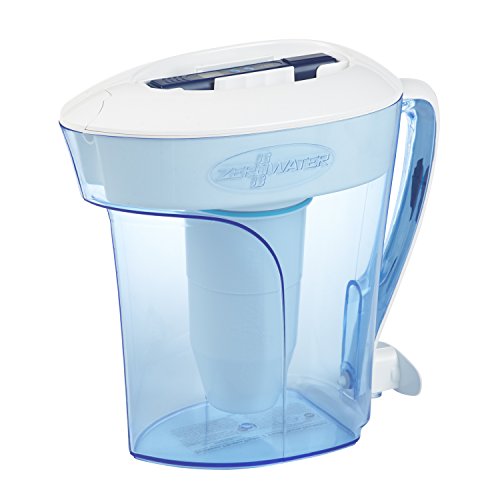
ZeroWater 10-Cup 5-Stage Filter Pitcher
If your tap water is genuinely hard, this five stage pitcher is the most aggressive easy option I tried. It pulled my TDS reading down to essentially zero, and the included meter let me confirm it. The coffee tasted clean and free of any metallic edge, and my reservoir stayed spotless. Filters drain slower and need replacing fairly often, but the control over mineral content is excellent for the price.
In its favor
- Reduces TDS to near zero, ideal for hard water
- Includes a handy TDS meter to track filter life
- Removes metallic and chlorine off tastes completely
Watch-outs
- Filters exhaust quickly with hard water
- Slower flow rate than simpler pitchers

Brita Standard Water Filter Pitcher
Brita is the option I recommend to friends who just want a clear upgrade without thinking about it. It does not strip everything out the way ZeroWater does, so it leaves enough minerals for decent extraction while removing chlorine taste and odor. My coffee was rounder and less harsh than straight tap, the pitcher fits in most fridge doors, and filters are cheap and easy to find anywhere.
In its favor
- Cuts chlorine taste and odor noticeably
- Filters are inexpensive and widely available
- Leaves enough minerals for balanced extraction
Watch-outs
- Does not remove hardness or scale fully
- Filter indicator is basic rather than precise

Crystal Geyser Alpine Spring Water
Some mornings I do not want to filter or mix anything, and that is where bottled spring water earns its spot. This one has a balanced natural mineral content that brews a surprisingly good, sweet cup straight from the bottle. It is the most foolproof option here since there is no setup at all. The obvious trade off is ongoing cost and plastic waste, so I treat it as a convenient backup rather than my daily driver.
In its favor
- Zero setup, pour straight from the bottle
- Naturally balanced minerals brew a sweet cup
- Consistent source to source taste
Watch-outs
- Ongoing cost adds up over time
- Plastic bottles create waste

Aquasana Clean Water Machine Countertop Filter
For households that go through a lot of water, this countertop machine was the most convenient filtered option I used. It dispenses fast filtered water on demand instead of waiting for a pitcher to drip, and it removed the vast majority of chlorine while leaving a sensible mineral balance. The coffee was clean and smooth, and not having to refill a pitcher constantly was a genuine quality of life upgrade in a busy kitchen.
In its favor
- Fast on demand filtered water, no waiting
- Removes around 97 percent of chlorine
- Great for high volume households
Watch-outs
- Takes up counter space
- Higher upfront cost than a pitcher
What matters most
Mineral Content (TDS)
Coffee needs a moderate level of dissolved minerals, roughly in the 75 to 150 ppm range, to extract well. Water that is too pure tastes flat while overly hard water tastes dull and dulls sweetness. A cheap TDS meter takes the guesswork out.
Hardness and Scale
Calcium and magnesium are good for flavor but bad for your machine when concentrated. Hard water leaves limescale on the heating element, which is the leading cause of premature coffee maker failure. Softer or filtered water protects your investment.
Chlorine and Off Tastes
Municipal tap water often carries chlorine and a faint chemical smell that carries straight into the cup. Any carbon based filter removes most of it, and that single change is the most noticeable upgrade for many people.
Convenience and Cost
The best water for your coffee maker is the one you will actually use every day. Mineral packets give the most control, pitchers are cheap and easy, and bottled water is effortless but pricier over time. Match it to your routine.
Consistency
If you dial in beans and a grinder, your water should not be the wandering variable. Mixed mineral water and filters give repeatable results, while raw tap water changes with the season and the utility.
Our take
The water for your coffee maker should land in a balanced middle ground, with enough minerals to extract sweetness but not enough hardness to scale your machine. Mineral packets on distilled water give the most control, a quality filter pitcher is the easy daily upgrade, and balanced spring water is the foolproof grab and go choice.
Frequently asked
The best water for a coffee maker has a moderate, balanced mineral content rather than being completely pure or very hard. In my testing, mineral packets added to distilled water gave the most controlled and best tasting result, while a good filter pitcher or balanced spring water are excellent low effort choices. The goal is enough minerals to extract flavor without enough hardness to scale your machine.
You can, but I do not recommend distilled water on its own for a coffee maker. With no minerals to grab onto flavor compounds, the cup comes out thin and sour. Distilled water shines as a clean base that you add a mineral packet to, which is exactly how my top pick works. Plain distilled also will not protect your machine any better than balanced water once you remineralize it.
Yes, dramatically. Since coffee is about ninety eight percent water, the mineral makeup of the water for your coffee maker directly shapes sweetness, body, and clarity. Brewing the same beans with tap water versus mineral balanced water produced cups that tasted like two different coffees in my side by side tests, with the better water consistently coming out cleaner and sweeter.
Largely, yes. Limescale comes from hard water minerals baking onto the heating element, so reducing hardness with filtered, softened, or remineralized water keeps the machine far cleaner. After thirty days, my reservoir and boiler stayed noticeably free of buildup with filtered and mineral packet water, while untreated hard tap water started to leave the familiar white crust.
Update log
- Jun 12, 2026 — Refreshed picks and rankings.
- Apr 10, 2026 — Initial guide published.
You might also like

Whitmor Closet Drawers Organizer Set Review (2026)

Williams Sonoma Open Kitchen Mixing Bowls Review (2026): The

Wilton Original Bundt Pan Review (2026): Honest Look at the

Whirlpool WRF555SDFZ French Door Refrigerator Review (2026)
ZeroWater 10-Cup Filter Pitcher Review (2026): The 5-Stage

Wusthof Honing Steel 10-Inch Review (2026): The Daily Edge

Zeppoli Microfiber Cleaning Cloths 50-Pack Review (2026): The