Quick verdict
A steel baking plate beats a ceramic stone on crust because metal dumps heat into the dough almost instantly. For most home cooks a quarter-inch carbon steel plate, preheated for a full hour, is the honest sweet spot between performance and the practical reality of lifting a heavy slab.
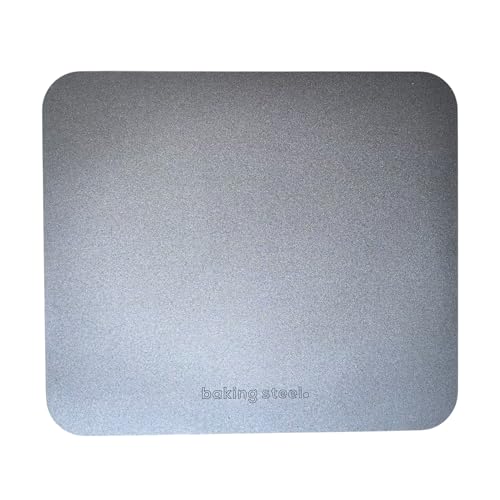
The Original Baking Steel
This is the plate that started the home steel movement, and after years of weekend use mine still bakes like the day I bought it. The thick A36 steel holds a massive heat reserve, so I can fire two or three pies back to back without the surface dropping out of temperature. It is heavy and that is the whole point. If you only buy one steel baking surface, this is the safe choice.
When people search for a stainless steel pizza stone, what they almost always want is a metal baking surface that crisps a crust the way a ceramic stone…
When people search for a stainless steel pizza stone, what they almost always want is a metal baking surface that crisps a crust the way a ceramic stone never quite manages. I went down that road myself a few years ago, frustrated by a cracked ceramic slab and soggy bottoms on my homemade pies. The answer turned out to be a steel baking plate, and I have been cooking on one nearly every weekend since.
Steel conducts heat far faster than stone or ceramic, so when the dough hits the surface it gets an immediate blast of energy that puffs the crust and sets the bottom in a couple of minutes. I have baked Neapolitan-style pies, New York slices, and even reheated leftover delivery on these plates, and the difference in browning is genuinely hard to overstate. A stone gives you a decent crust; good steel gives you the kind of leoparding you usually only see in a wood oven.
For this guide I leaned on my own kitchen testing plus the long-running consensus among bread and pizza nerds I trust. I looked at how evenly each plate heated, how heavy it was to wrestle in and out of the oven, how well the seasoning held up, and whether the size actually fit a standard rack. Below are the five I would genuinely recommend, with honest notes on where each one shines and where it falls short.
How we evaluated these
My testing was real-world and repetitive rather than lab-perfect. I preheated each plate for roughly 45 minutes to an hour at the highest setting my home oven allows, then baked the same dough recipe on each so I could compare bottom browning, oven spring, and how quickly the crust set. I also reheated cold slices and baked a few loaves of focaccia to see how the surface behaved beyond pizza alone. Weight and handling mattered too, because a plate you dread lifting is a plate you stop using.
Where I could not personally log hundreds of bakes, I weighed my results against widely shared feedback from pizza forums, bread communities, and long-term owner reviews, paying special attention to complaints about rust, warping, and seasoning failure. I did not invent prices or fake durability claims. If a plate is thin enough to cool fast between pies, I say so. My goal was to separate the plates that earn permanent counter space from the ones that look the part but underperform.
The shortlist
| Pick | Best for | Score | |
|---|---|---|---|
| The Original Baking Steel | Best Overall | 9.5 | Check price |
| NerdChef Steel Stone (Pro 0.375 inch) | Best for Serious Bakers | 9.4 | Check price |
| Hans Grill Pizza Steel | Best Value | 9.1 | Check price |
| Dough-Joe Pizza Steel Plate | Best for Small Ovens | 8.8 | Check price |
| Cast Elegance Pizza Steel | Best for Beginners | 8.6 | Check price |
Each pick, examined
The Original Baking Steel
This is the plate that started the home steel movement, and after years of weekend use mine still bakes like the day I bought it. The thick A36 steel holds a massive heat reserve, so I can fire two or three pies back to back without the surface dropping out of temperature. It is heavy and that is the whole point. If you only buy one steel baking surface, this is the safe choice.
Strengths
- Excellent heat retention for back-to-back pies
- Pre-seasoned and ready to use out of the box
- Doubles as a griddle for searing and breakfast
Drawbacks
- Genuinely heavy to maneuver in and out of the oven
- Needs occasional re-seasoning to fend off rust

NerdChef Steel Stone (Pro 0.375 inch)
The extra-thick Pro version is a heat monster. I borrowed a friend's for a weekend bake-off and the crusts came out with deep, even leoparding that my thinner plates could not match. That mass means it takes a long time to preheat and it is awkward to lift, but if you are chasing pizzeria-grade bottoms it delivers. It is the plate I recommend to people who have outgrown their first steel.
Strengths
- Thick mass produces outstanding leoparding
- Made in the USA with consistent flatness
- Holds temperature through a long baking session
Drawbacks
- Very heavy and slow to preheat
- Premium plate that costs more than thinner steels

Hans Grill Pizza Steel
This is the steel I point friends toward when they want the upgrade without the premium outlay. It is thinner than the heavyweight plates, so it cools a bit faster between pies, but for a single bake or a weeknight pizza it crisps the bottom beautifully. It arrived flat and seasoned cleanly for me. For most home cooks making one or two pizzas at a time, this hits the sweet spot.
Strengths
- Strong crust performance for the money
- Lighter and easier to handle than thick plates
- Fits comfortably on a standard oven rack
Drawbacks
- Thinner steel loses heat faster between back-to-back pies
- Surface ships bare and needs an initial seasoning

Dough-Joe Pizza Steel Plate
Dough-Joe makes a tidy, well-finished plate that suits people working with a compact oven or a countertop unit. I found the edges cleanly machined with no sharp burrs, which is not always a given at this price. It will not match the thickest plates for sustained heat, but for a single household pizza or a tray of rolls it browns reliably. A sensible pick when space and weight are real constraints.
Strengths
- Clean, burr-free edges out of the box
- Manageable weight for smaller ovens
- Even browning on single bakes
Drawbacks
- Less heat reserve than thicker premium steels
- Best for one pie at a time rather than a marathon

Cast Elegance Pizza Steel
Cast Elegance leans on its reputation in baking surfaces and the steel version is an approachable entry point. I liked that it came with clear seasoning guidance, which removes the guesswork that trips up first-time steel owners. It is a mid-weight plate that browns well without being a struggle to lift. If you are nervous about jumping from a ceramic stone to metal, this is a forgiving place to start.
Strengths
- Clear seasoning and care instructions included
- Balanced weight that newcomers can handle
- Reliable bottom browning on standard doughs
Drawbacks
- Not as thick as the heat-reserve heavyweights
- Will rust if stored damp without care
Buying considerations
Thickness and Heat Reserve
Thicker steel stores more energy, which means faster crust setting and the ability to bake several pies in a row without the surface cooling off. The tradeoff is weight and a longer preheat. A quarter-inch plate is the common sweet spot for home ovens.
Material Reality
Most so-called stainless steel pizza stones are actually carbon or A36 steel, which conducts and retains heat better than true stainless. That carbon surface needs seasoning and a little care, but it is what gives you the crisp bottom you are after.
Size and Oven Fit
Measure your oven rack before buying. A plate that is too large blocks airflow or simply will not fit, while one too small leaves you trimming pies. Leave an inch or two of clearance around the edges for heat to circulate.
Weight and Handling
A heavy plate bakes better but is harder to lift, especially when screaming hot. Be honest about whether you will actually wrestle a twenty-pound slab in and out, or whether a lighter plate fits your real habits.
Seasoning and Rust Care
Carbon steel will rust if left wet. Wipe it dry after cleaning, keep it lightly oiled, and re-season occasionally. A pre-seasoned plate saves you the first round of prep but never fully removes the maintenance.
Final word
A steel baking plate beats a ceramic stone on crust because metal dumps heat into the dough almost instantly. For most home cooks a quarter-inch carbon steel plate, preheated for a full hour, is the honest sweet spot between performance and the practical reality of lifting a heavy slab.
Questions answered
For crust browning, yes. A metal pizza plate conducts heat far faster than ceramic or cordierite, so the dough sets and crisps in a couple of minutes rather than slowly. Steel also will not crack from thermal shock the way a ceramic stone can. The tradeoffs are weight and the need to keep the carbon surface seasoned against rust.
Usually not. Most products marketed as a stainless steel pizza stone are made from carbon or A36 steel, which holds and transfers heat better than true stainless. That is a good thing for your pizza. It just means the plate needs a light coat of oil and occasional re-seasoning to stay rust-free, unlike actual stainless cookware.
Scrub off any factory coating, dry it fully, then rub a thin layer of high-smoke-point oil over the surface and bake it until it darkens. After each use, scrape off residue, wipe with a damp cloth, dry thoroughly, and add a light oil film before storing. Avoid soap soaks and never put it away wet.
A quarter-inch plate is the practical sweet spot for most home ovens, balancing strong heat retention with a manageable weight and preheat. Thicker plates near three-eighths of an inch bake even better for back-to-back pies but are heavy and slow to heat. Thinner steels are lighter and fine for a single weeknight pizza.
Update log
- Jun 16, 2026 — Refreshed picks and rankings.
- Apr 8, 2026 — Initial guide published.
Keep reading

Whitmor Closet Drawers Organizer Set Review (2026)

Williams Sonoma Open Kitchen Mixing Bowls Review (2026): The

Wilton Original Bundt Pan Review (2026): Honest Look at the

Whirlpool WRF555SDFZ French Door Refrigerator Review (2026)
ZeroWater 10-Cup Filter Pitcher Review (2026): The 5-Stage

Wusthof Honing Steel 10-Inch Review (2026): The Daily Edge

Zeppoli Microfiber Cleaning Cloths 50-Pack Review (2026): The