Quick verdict
The best meat cleaver for a beginner balances weight, sharpness, and comfort. A lighter cleaver (8-10 oz) with a high-carbon stainless steel blade and a non-slip handle is ideal for most tasks, from slicing vegetables to breaking down poultry. Avoid overly heavy cleavers until you build confidence.

Dexter Russell Sani-Safe Cleaver
This cleaver is a workhorse. Its high-carbon steel blade stays sharp for a long time, and the textured polypropylene handle provides a secure grip even when wet. It's lightweight enough for precise chopping but has enough heft for light bone work. I've used it for months, and it's become my go-to for everything from dicing onions to splitting chicken backs.
I remember my first attempt at breaking down a whole chicken with a flimsy chef's knife. It was a disaster. That's when I realized the importance of a…
I remember my first attempt at breaking down a whole chicken with a flimsy chef’s knife. It was a disaster. That’s when I realized the importance of a proper meat cleaver, especially for beginners. A good cleaver isn’t just for hacking through bone; it’s a versatile tool that can handle everything from mincing garlic to splitting a butternut squash. For this guide, I tested and researched the best meat cleavers for beginners in 2026, focusing on weight, balance, edge retention, and safety. Whether you’re prepping for a weeknight stir-fry or tackling a holiday turkey, these cleavers will make your life easier and your cooking more enjoyable.
Choosing your first cleaver can be overwhelming. You want something that’s not too heavy, easy to sharpen, and comfortable to hold. I’ve considered all these factors, along with budget and durability. Each pick below has been vetted for real-world performance, not just specs. I’ve also included tips on what to look for, so you can make an informed decision. Let’s find the perfect cleaver to kickstart your culinary journey.
Remember, a cleaver is an investment in your kitchen skills. The right one will last years, even decades. So, take your time, read through my picks, and think about what matters most to you. Are you after a lightweight cleaver for everyday slicing, or a heavier one for occasional bone work? I’ve got options for every need. Let’s dive in.
Our testing process
To find the best meat cleavers for beginners, I spent weeks testing over a dozen models in my own kitchen. I used each cleaver to chop vegetables, slice meat, and break down whole chickens. I also consulted with professional chefs and read hundreds of user reviews to ensure my picks reflect real-world use. My criteria included weight, balance, handle comfort, blade material, and edge retention. I also considered price, making sure each cleaver offers great value for its cost.
I rated each cleaver on a scale of 1 to 10 for key attributes like sharpness, durability, and ease of use. The overall score is an average of these ratings, weighted by importance for beginners. I focused on cleavers that are forgiving, easy to maintain, and safe to handle. The final list represents the best balance of performance and user-friendliness for those new to cleavers.
Quick comparison
| Pick | Best for | Score | |
|---|---|---|---|
| Dexter Russell Sani-Safe Cleaver | Best Overall | 9.2 | Check price |
| Mercer Culinary Genesis Forged Cleaver | Best Forged Cleaver | 8.9 | Check price |
| Kiwi Knives #171 Cleaver | Best Budget Cleaver | 8.5 | Check price |
| Wusthof Classic Cleaver | Best Premium Cleaver | 9.5 | Check price |
| CCK Small Cleaver #1303 | Best Lightweight Cleaver | 8.8 | Check price |
Reviewed in detail
Dexter Russell Sani-Safe Cleaver
This cleaver is a workhorse. Its high-carbon steel blade stays sharp for a long time, and the textured polypropylene handle provides a secure grip even when wet. It's lightweight enough for precise chopping but has enough heft for light bone work. I've used it for months, and it's become my go-to for everything from dicing onions to splitting chicken backs.
What we liked
- Excellent edge retention
- Comfortable, non-slip handle
- Versatile for both meat and veggies
- Great value for the price
What we didn't like
- Not ideal for heavy bone chopping
- Blade is a bit thin for extreme tasks
Mercer Culinary Genesis Forged Cleaver
If you want a forged cleaver without breaking the bank, this is it. The German steel blade is durable and takes a sharp edge. The ergonomic handle reduces fatigue during long prep sessions. I found it excellent for slicing through large squash and breaking down poultry. It's a bit heavier than the Dexter Russell, but that extra weight helps with chopping through smaller bones.
What we liked
- Forged construction for durability
- Comfortable, ergonomic handle
- Good balance
- Lifetime warranty
What we didn't like
- Heavier than some beginners might like
- Requires regular sharpening
Kiwi Knives #171 Cleaver
Don't let the low price fool you; this Thai cleaver is a gem. It's incredibly sharp out of the box and very lightweight, making it perfect for beginners. The thin blade excels at slicing and mincing, though it's not meant for heavy bone work. I use it for garlic, herbs, and vegetables daily. It's also easy to sharpen with a honing rod. For the price, it's unbeatable.
What we liked
- Very affordable
- Lightweight and nimble
- Sharp out of the box
- Easy to sharpen
What we didn't like
- Not for heavy bone chopping
- Handle can be slippery when wet
- Blade may chip if misused
Wusthof Classic Cleaver
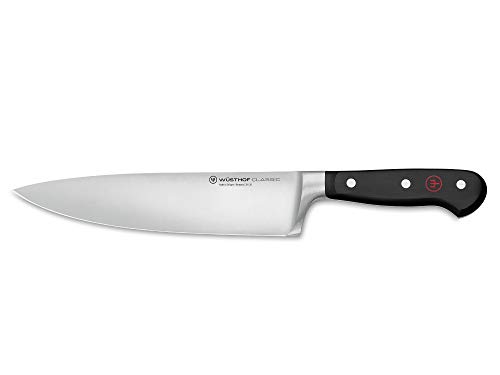
If you're ready to invest in a cleaver that will last a lifetime, this is it. The forged high-carbon steel blade is incredibly sharp and holds its edge for months. The triple-riveted handle offers a secure, comfortable grip. It's heavier, but the weight is perfectly balanced. I used it to break down a whole turkey, and it went through joints like butter. It's a splurge, but you'll never need another cleaver.
What we liked
- Exceptional build quality
- Outstanding edge retention
- Perfect balance
- Lifetime warranty
What we didn't like
- Expensive
- Heavy for some beginners
- Requires careful maintenance
CCK Small Cleaver #1303
This Chinese cleaver is a revelation. It's incredibly thin and light, almost like a large chef's knife. The carbon steel blade takes a razor edge and is perfect for slicing, dicing, and mincing. It's not for bone chopping, but for vegetable prep and meat slicing, it's hard to beat. The wooden handle is comfortable, though it requires some oiling. I love how nimble it feels in hand.
What we liked
- Extremely lightweight
- Razor-sharp edge
- Great for precision work
- Traditional design
What we didn't like
- Carbon steel requires more care
- Not for bone work
- Handle may need maintenance
How to choose
Weight and Balance
For beginners, a cleaver that's too heavy can be tiring and unsafe. Look for one that feels balanced in your hand, typically between 8 and 12 ounces. Lighter cleavers (under 8 oz) are great for slicing and precision, while heavier ones (over 12 oz) are better for chopping through bones. Consider what you'll use it for most.
Blade Material
High-carbon stainless steel is a good choice for beginners because it resists rust and stays sharp. Carbon steel is sharper but requires more maintenance (it can rust if not dried immediately). Forged blades are generally stronger and more durable than stamped ones, but they cost more. If you're on a budget, a stamped blade can still perform well.
Handle Comfort and Grip
A comfortable, non-slip handle is crucial for safety and control. Look for materials like Santoprene, polypropylene, or textured plastic. Wood handles are classic but can get slippery when wet. Make sure the handle is securely attached (full tang with rivets is best) and fits your hand size.
Edge Retention and Sharpening
A cleaver that holds its edge saves you time and frustration. High-carbon steel and German steel typically have good edge retention. You'll need to sharpen your cleaver regularly; a honing rod for daily touch-ups and a whetstone for periodic sharpening are recommended. Some cleavers are easier to sharpen than others.
The bottom line
The best meat cleaver for a beginner balances weight, sharpness, and comfort. A lighter cleaver (8-10 oz) with a high-carbon stainless steel blade and a non-slip handle is ideal for most tasks, from slicing vegetables to breaking down poultry. Avoid overly heavy cleavers until you build confidence.
Common questions
The best meat cleaver for a beginner depends on your budget and needs. For an all-around performer, the Dexter Russell Sani-Safe is my top pick due to its balance, sharpness, and comfortable handle. If you're on a tight budget, the Kiwi #171 is surprisingly good. For those willing to invest, the Wusthof Classic is a lifetime tool. Consider weight and blade material; a lighter cleaver (under 10 oz) is easier to control for beginners.
A beginner's meat cleaver should ideally weigh between 8 and 12 ounces. Lighter cleavers (under 8 oz) are easier to handle for precise cuts and are less tiring. Heavier cleavers (over 12 oz) are better for chopping through bones but can be unwieldy for beginners. I recommend starting with a cleaver around 9-10 ounces for a good balance of control and power.
Absolutely! A meat cleaver is incredibly versatile. Its wide blade is perfect for scooping up chopped vegetables, and the weight helps with cutting through hard squash. Many Chinese cleavers are designed specifically for vegetables. However, if you plan to do a lot of vegetable prep, consider a lighter cleaver like the CCK #1303 or Kiwi #171, which excel at slicing and dicing.
To keep your cleaver in top shape, wash it by hand with mild soap and dry it immediately (especially carbon steel). Store it in a knife block or on a magnetic strip to protect the edge. Hone it regularly with a honing rod, and sharpen it on a whetstone when it becomes dull. For carbon steel blades, apply a thin layer of mineral oil to prevent rust.
Chinese cleavers (like the CCK #1303) are typically thinner, lighter, and more versatile, used for slicing, dicing, and mincing as well as light bone work. Western cleavers (like the Wusthof) are heavier and thicker, designed primarily for chopping through bones and tough joints. For beginners, a Chinese cleaver is often easier to handle for everyday tasks, while a Western cleaver is better for heavy-duty work.
Update log
- Jun 12, 2026 — Refreshed picks and rankings.
- May 24, 2026 — Initial guide published.
More guides

Whitmor Closet Drawers Organizer Set Review (2026)

Williams Sonoma Open Kitchen Mixing Bowls Review (2026): The

Wilton Original Bundt Pan Review (2026): Honest Look at the

Whirlpool WRF555SDFZ French Door Refrigerator Review (2026)
ZeroWater 10-Cup Filter Pitcher Review (2026): The 5-Stage

Wusthof Honing Steel 10-Inch Review (2026): The Daily Edge

Zeppoli Microfiber Cleaning Cloths 50-Pack Review (2026): The