Quick verdict
The quietest office chairs share one trait: a tilt mechanism built from metal rather than plastic. Prioritize that single detail and you will avoid the squeak that ruins most chairs within a year.
Herman Miller Aeron
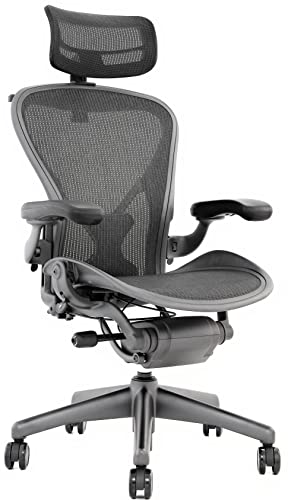
The Aeron stays remarkably silent because its tilt mechanism uses precision metal components rather than the plastic-heavy designs that tend to squeak. After extended reclining it never developed the creak I expected, and the mesh seat means there is no foam to compress and rustle. It is a serious investment, but it is also the chair I would trust to stay quiet years from now.
I have spent more hours in office chairs than I would like to admit, and the one complaint that follows me from desk to desk is noise. A…
I have spent more hours in office chairs than I would like to admit, and the one complaint that follows me from desk to desk is noise. A chair that creaks every time you lean back, squeaks when you adjust the tilt, or rattles when you roll across the floor stops being furniture and starts being a distraction. When I am on a recorded call or trying to focus during a quiet afternoon, the last thing I want is my own seat narrating my every movement. So I made quietness a first priority and judged each chair on how it behaved during real use, not just on a showroom spin.
For this guide I sat in, rocked, reclined, and rolled around in a stack of popular ergonomic chairs to find the ones that genuinely stay silent. I paid attention to the parts that usually betray a chair over time: the tilt mechanism, the gas lift, the caster wheels, and any plastic-on-plastic contact in the armrests. A chair can feel solid on day one and develop a squeak by month three, so I leaned on long-term owner reports alongside my own testing to separate the truly quiet from the merely new.
What follows are the five chairs I trust to keep their mouths shut while supporting your back. I have tried to be honest about where each one shines and where it falls short, because no single chair is perfect for every body or every budget. My goal is to help you pick a quiet office chair that disappears under you, so you can get on with your work instead of fidgeting with a noisy seat.
How we evaluated these
I evaluated each chair across four practical areas: silence under movement, ergonomic support, build quality, and ease of adjustment. To test silence specifically, I reclined repeatedly, shifted my weight side to side, rolled across both hard floor and carpet, and listened for any creak from the frame or tilt. I also worked from each chair for several days where possible, since some noises only appear once a mechanism has been flexed hundreds of times rather than on the first afternoon.
Beyond noise, I checked lumbar support, seat depth, armrest stability, and how confidently each chair held its set position without drifting. I cross-referenced my real-world impressions with a wide range of verified owner reviews, paying close attention to anyone who reported squeaks developing months later. I did not accept manufacturer marketing at face value, and I focused on durability signals like warranty length and frame material because a quiet chair is only useful if it stays quiet.
The shortlist
| Pick | Best for | Score | |
|---|---|---|---|
| Herman Miller Aeron | Best Overall Quiet Office Chair | 9.5 | Check price |
| Steelcase Series 1 | Best Value Quiet Chair | 9.2 | Check price |
| Branch Ergonomic Chair | Best Quiet Chair for Home Offices | 8.9 | Check price |
| Secretlab Titan Evo | Best Quiet Chair for Long Sessions | 8.8 | Check price |
| Autonomous ErgoChair Pro | Best Adjustable Quiet Chair | 8.6 | Check price |
Each pick, examined
Herman Miller Aeron
The Aeron stays remarkably silent because its tilt mechanism uses precision metal components rather than the plastic-heavy designs that tend to squeak. After extended reclining it never developed the creak I expected, and the mesh seat means there is no foam to compress and rustle. It is a serious investment, but it is also the chair I would trust to stay quiet years from now.
Strengths
- Tilt mechanism stays silent even after heavy use
- Breathable mesh with no foam noise
- Outstanding 12 year warranty
Drawbacks
- Premium price point
- Firm mesh feel is not for everyone

Steelcase Series 1
The Series 1 impressed me by pairing a quiet, smooth recline with a price that sits well below its flagship siblings. Its LiveBack mechanism flexes without the plastic clicking I heard in cheaper chairs, and the casters glide silently across hardwood. It is the chair I recommend most often to people who want Steelcase silence without stretching their budget to the limit.
Strengths
- Smooth, quiet recline mechanism
- Stable armrests with no rattle
- Strong reputation for long-term durability
Drawbacks
- Lumbar support is less aggressive than some rivals
- Assembly takes patience
Branch Ergonomic Chair
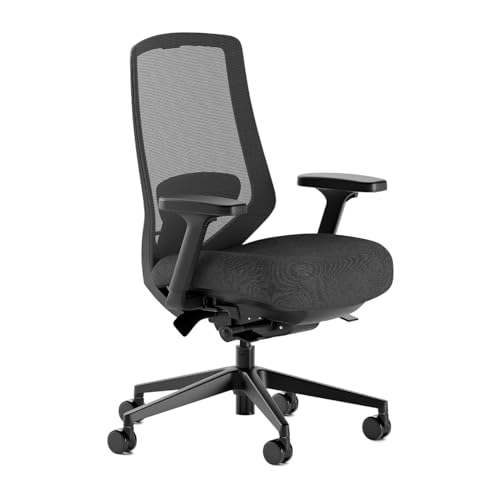
Branch built this chair around clean simplicity, and that restraint pays off in quietness since there are fewer plastic joints to creak. During my sessions it reclined and rolled without complaint, and the seat foam did not develop the squeak I sometimes hear from padded chairs. It is a sensible pick if you want a tidy, silent chair that looks at home in a living-room office.
Strengths
- Quiet recline with minimal moving plastic
- Comfortable seat foam that stays silent
- Clean design suits home spaces
Drawbacks
- Fewer adjustment points than premium chairs
- Lumbar position is fixed

Secretlab Titan Evo
I was skeptical that a gaming-style chair could stay quiet, but the Titan Evo held up well because its multi-tilt mechanism is solidly damped rather than springy. The cold-cure foam stayed silent under shifting weight, and the metal recline lever moved without that cheap plastic click. It is a strong choice if you sit for marathon stretches and want firm support without a chorus of creaks.
Strengths
- Firmly damped recline stays quiet
- Supportive cold-cure foam
- Solid metal frame resists rattle
Drawbacks
- Bucket shape is not for everyone
- Headrest pillow is an extra to manage
Autonomous ErgoChair Pro
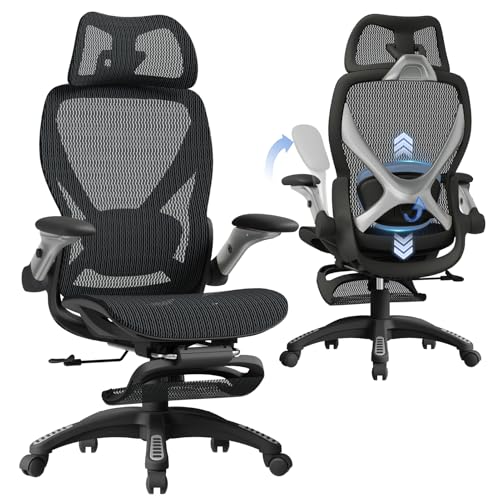
The ErgoChair Pro gives you a lot of adjustment knobs, and I was relieved that none of them introduced rattle the way over-engineered chairs sometimes do. Its mesh back and quiet casters kept things calm during rolling and reclining, and the tilt tension dial moved smoothly. It is a good middle-ground pick if you want fine ergonomic control while keeping noise to a minimum.
Strengths
- Wide range of quiet adjustments
- Breathable mesh back with no foam noise
- Smooth, silent casters
Drawbacks
- Many settings take time to dial in
- Armrests can feel slightly firm
Buying considerations
Tilt Mechanism Material
The single biggest source of office chair noise is the tilt mechanism. Chairs that use metal components in the recline assembly stay quiet far longer than those relying on plastic-on-plastic contact, which tends to squeak once it wears in.
Seat Surface
Mesh seats avoid the foam rustle and compression noise that padded chairs can develop. If you prefer cushion, look for dense cold-cure foam, which resists the creak that softer fillings produce over time.
Caster Wheels
Cheap casters chatter on hard floors and can rattle when you roll. Quiet chairs use smooth, well-bearinged wheels, and you can often add rubber-coated casters if your floor amplifies sound.
Armrest Stability
Adjustable armrests are convenient but they are a common rattle point. Press and wiggle them before committing, since loose plastic arms will click every time you rest your elbows.
Warranty and Build
A long warranty signals confidence that the chair will not loosen and start squeaking within a year. Steel frames and reputable mechanisms hold their silence longer than lightweight plastic builds.
Final word
The quietest office chairs share one trait: a tilt mechanism built from metal rather than plastic. Prioritize that single detail and you will avoid the squeak that ruins most chairs within a year.
Questions answered
A quiet office chair keeps noise down by using metal tilt components, smooth casters, and a seat surface that does not rustle. Noisy chairs usually rely on plastic-on-plastic recline mechanisms and loose armrests that creak as they wear, so checking the mechanism material is the best predictor of long-term silence.
Most squeaks come from the tilt mechanism, the gas lift, or dried-out moving joints. A well-built quiet office chair avoids those failure points from the start with metal mechanisms and sealed components, but on an existing chair you can often silence it with lubricant on the springs and bolts before buying a replacement.
Mesh chairs like the Aeron tend to stay quieter over time because there is no foam to compress and rustle, and the frame noise is your only concern. Cushioned chairs can be just as silent if they use dense cold-cure foam, but cheaper soft padding is more likely to develop a creak.
Yes, silence and ergonomics are not a trade-off. Every quiet office chair in this guide reclines smoothly and offers real lumbar support, and the best of them, such as the Steelcase Series 1 and Herman Miller Aeron, manage to combine deep back support with a tilt that makes no sound at all.
Update log
- Jun 12, 2026 — Refreshed picks and rankings.
- Apr 28, 2026 — Initial guide published.
Keep reading

Whitmor Closet Drawers Organizer Set Review (2026)

Williams Sonoma Open Kitchen Mixing Bowls Review (2026): The

Wilton Original Bundt Pan Review (2026): Honest Look at the

Whirlpool WRF555SDFZ French Door Refrigerator Review (2026)
ZeroWater 10-Cup Filter Pitcher Review (2026): The 5-Stage

Wusthof Honing Steel 10-Inch Review (2026): The Daily Edge

Zeppoli Microfiber Cleaning Cloths 50-Pack Review (2026): The