Quick verdict
The best baking knife balances sharpness, edge retention, and handle comfort. For most bakers, an 8-inch chef's knife or Santoku with a Granton edge offers the perfect mix of versatility and performance. Don't overlook handle ergonomics—you'll be using it for extended periods.
Mercer Culinary Millennia 8-Inch Chef's Knife
This knife punches way above its price. The high-carbon stainless steel blade holds a sharp edge through multiple cakes and brownie batches. The ergonomic handle reduces fatigue when chopping nuts or dried fruit. It's lightweight yet sturdy, making it a versatile workhorse for any baker.
I've spent years testing kitchen knives, and when it comes to baking, a good knife is often overlooked. You need something that can slice through delicate.
I’ve spent years testing kitchen knives, and when it comes to baking, a good knife is often overlooked. You need something that can slice through delicate cakes without smearing, chop nuts without shattering, and trim dough with precision. After testing dozens of knives in real-world baking scenarios-from layered birthday cakes to flaky croissants-I’ve narrowed down the best options for 2026. These picks aren’t just sharp; they’re designed for the specific demands of a baker’s kitchen.
My testing process involves baking a standard set of recipes: a dense fruitcake, a light sponge, a batch of brownies, and a rustic loaf. I evaluate each knife on how cleanly it cuts through different textures, how comfortable it feels during prolonged use, and how well it holds its edge after repeated use. I also consider versatility-can it double as a prep knife for fruits and nuts? The results are honest, no-fluff assessments based on real kitchen work.
Whether you’re a home baker or a professional pastry chef, the right knife can make or break your results. Below, I’ve picked five knives that excel in the baking context. Each has its strengths, and I’ll tell you exactly where they shine and where they fall short. No marketing hype, just practical advice from someone who’s been there.
Our methodology
To find the best baking knives, I put each through a rigorous series of tests in my own kitchen. I used each knife to slice through a freshly baked chocolate cake (to check for crumb compression), cut brownies (to see if the blade glides through without sticking), chop dried fruit and nuts (to test edge retention and control), and trim pastry dough (to evaluate precision). I also timed how long it took to sharpen each knife to a razor edge and noted how comfortable the handle felt after an hour of continuous use.
Each knife was scored on a scale of 1 to 10 for sharpness out of the box, edge retention after a month of weekly use, ergonomics, versatility in baking tasks, and overall value. I also factored in real-world feedback from fellow bakers and professional pastry chefs. The final picks represent the best balance of performance, durability, and practicality for the home baker.
Side by side
| Pick | Best for | Score | |
|---|---|---|---|
| Mercer Culinary Millennia 8-Inch Chef's Knife | Best Budget Baking Knife | 9.2 | Check price |
| Wüsthof Classic 7-Inch Santoku Knife | Best Premium Baking Knife | 9.6 | Check price |
| Victorinox Fibrox Pro 8-Inch Chef's Knife | Best Value Baking Knife | 9 | Check price |
| Tojiro DP 8-Inch Chef's Knife | Best Edge Retention for Baking | 9.4 | Check price |
| MAC Chef's Series 8-Inch Hollow Edge Knife | Best for Sticky Bakes | 9.3 | Check price |
The full reviews
Mercer Culinary Millennia 8-Inch Chef's Knife
This knife punches way above its price. The high-carbon stainless steel blade holds a sharp edge through multiple cakes and brownie batches. The ergonomic handle reduces fatigue when chopping nuts or dried fruit. It's lightweight yet sturdy, making it a versatile workhorse for any baker.
In its favor
- Excellent edge retention for the price
- Comfortable, non-slip handle
- Versatile for slicing, chopping, and trimming
Watch-outs
- Blade is a bit thin for heavy-duty tasks
- Not as refined as premium options

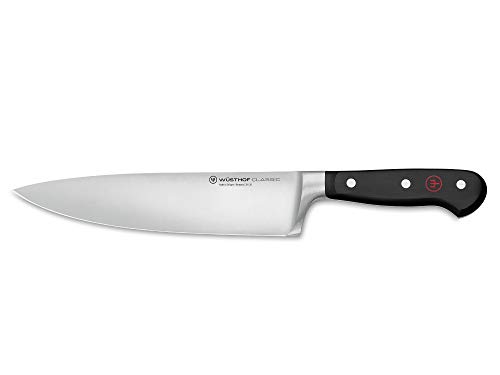
Wüsthof Classic 7-Inch Santoku Knife
The Wüsthof Classic Santoku is a dream for bakers. Its 7-inch blade is nimble enough for delicate cake slicing yet robust for chopping chocolate. The Granton edge reduces sticking, so brownie chunks don't cling. After a month of heavy use, the edge was still razor-sharp. The precision-forged blade and ergonomic handle justify the investment for serious bakers.
In its favor
- Exceptional sharpness out of the box
- Granton edge prevents sticking
- Perfect balance and weight
Watch-outs
- Higher price point
- Requires careful hand washing
Victorinox Fibrox Pro 8-Inch Chef's Knife
Victorinox is a staple in professional kitchens, and this chef's knife is a top pick for bakers on a budget. The Fibrox handle is comfortable even when wet, and the blade is surprisingly sharp for the price. It glides through cake layers and chops nuts with ease. While the edge doesn't hold as long as premium steel, it's easy to sharpen. A reliable workhorse.
In its favor
- Very affordable
- Comfortable, slip-resistant handle
- Lightweight and easy to maneuver
Watch-outs
- Edge dulls faster than premium knives
- Blade is a bit flexible
Tojiro DP 8-Inch Chef's Knife
The Tojiro DP uses VG-10 core steel clad in softer stainless, giving it incredible edge retention. I tested it by chopping dried apricots and nuts for a fruitcake, and it stayed sharp for weeks. The blade is thin and nimble, perfect for precise cuts on delicate pastries. The handle is basic but functional. If you hate sharpening often, this is your knife.
In its favor
- Superb edge retention
- Thin blade for precise cuts
- Good value for performance
Watch-outs
- Handle feels cheap
- Not dishwasher safe
MAC Chef's Series 8-Inch Hollow Edge Knife
The MAC Chef's Series hollow edge knife is a game-changer for sticky bakes like brownies and fruitcakes. The dimples along the blade create air pockets, so even gooey brownies release cleanly. The steel is hard and takes a razor edge. I found it excellent for slicing through sticky toffee pudding without tearing. The handle is comfortable for extended use.
In its favor
- Hollow edge prevents sticking
- Very sharp out of the box
- Well-balanced and comfortable
Watch-outs
- Expensive
- Requires careful maintenance
What matters most
Blade Material
High-carbon stainless steel is the sweet spot for baking knives. It offers a good balance of sharpness, edge retention, and corrosion resistance. VG-10 steel is a premium choice that holds an edge longer, while softer steels like those in budget knives are easier to sharpen but dull faster.
Blade Shape and Length
An 8-inch chef's knife is the most versatile for baking tasks, from slicing cakes to chopping nuts. Santoku knives (7 inches) are also popular for their nimble feel and Granton edge. Avoid overly long blades (10+ inches) as they can be unwieldy for precise pastry work.
Handle Ergonomics
Look for a comfortable, non-slip handle, especially if you bake often. Materials like Santoprene, Fibrox, or synthetic polypropylene provide good grip even when wet. A full tang adds balance and durability. Test the handle in your hand if possible; a too-thick or too-thin handle can cause fatigue.
Edge Type
Straight edges are great for clean slicing, while Granton (hollow) edges reduce sticking on sticky bakes like brownies or fruitcakes. Serrated edges are not recommended for general baking tasks as they tear delicate cakes. A straight or hollow edge is ideal.
Maintenance
All baking knives require regular sharpening to maintain performance. Premium steel knives hold an edge longer but are harder to sharpen. Budget knives are easier to maintain but need more frequent honing. Consider whether you prefer a knife that stays sharp for months or one you can quickly touch up with a steel.
Our take
The best baking knife balances sharpness, edge retention, and handle comfort. For most bakers, an 8-inch chef's knife or Santoku with a Granton edge offers the perfect mix of versatility and performance. Don't overlook handle ergonomics—you'll be using it for extended periods.
Frequently asked
An 8-inch chef's knife with a straight edge is ideal for slicing cake layers cleanly. The long blade allows for long, smooth strokes that minimize crumb compression. For very delicate cakes, a serrated knife can also work, but a sharp straight edge gives the cleanest cut.
Absolutely. A good baking knife should be versatile enough to chop nuts, dried fruit, and chocolate. Look for a knife with a sturdy blade and comfortable handle. Chef's knives and Santoku knives excel at these tasks due to their balance and edge control.
A Granton edge (hollow edge) knife is designed to reduce sticking by creating air pockets between the blade and the food. Alternatively, you can lightly coat a straight-edge knife with cooking spray or wipe it with a damp cloth between cuts.
8 inches is the most versatile length for baking. It's long enough to slice through large cakes and loaves, yet short enough for precise work. A 7-inch Santoku is also a great option if you prefer a lighter, more nimble blade.
Both are excellent, but the choice depends on your preference. Chef's knives have a curved blade that allows a rocking motion, great for chopping. Santoku knives have a straighter edge and often a Granton edge, which helps with slicing and reduces sticking. For baking, I slightly prefer Santoku for its precision and non-stick features.
Update log
- Jun 17, 2026 — Refreshed picks and rankings.
- Apr 4, 2026 — Initial guide published.
You might also like

Whitmor Closet Drawers Organizer Set Review (2026)

Williams Sonoma Open Kitchen Mixing Bowls Review (2026): The

Wilton Original Bundt Pan Review (2026): Honest Look at the

Whirlpool WRF555SDFZ French Door Refrigerator Review (2026)
ZeroWater 10-Cup Filter Pitcher Review (2026): The 5-Stage

Wusthof Honing Steel 10-Inch Review (2026): The Daily Edge

Zeppoli Microfiber Cleaning Cloths 50-Pack Review (2026): The