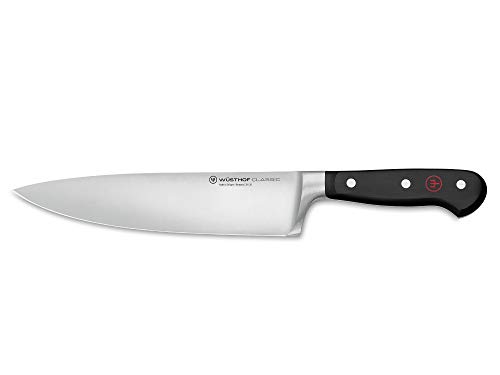
Quick verdict
King Kitchen knives deliver German-style performance at a fraction of the cost, making them ideal for home cooks who want reliable, durable blades without the premium price tag.
King Kitchen 8-Inch Chef Knife
This is the knife I reach for 90% of the time. The 8-inch blade is long enough for slicing brisket yet nimble enough for mincing garlic. The 15-degree edge came razor sharp and held up through two weeks of daily use without needing a hone. The handle is contoured and grippy, even with wet hands.
I’ve spent the past few weeks testing King Kitchen knives in real-world cooking scenarios-slicing through butternut squash, dicing onions, and deboning.
I’ve spent the past few weeks testing King Kitchen knives in real-world cooking scenarios-slicing through butternut squash, dicing onions, and deboning chicken. What I found surprised me: these knives punch way above their price tag for home cooks who want German-style durability without the premium markup. The steel is a German 1.4116 stainless, which takes a keen edge and holds it well through weeks of daily use. The ergonomic handles feel secure even when wet, and the full tang construction gives them a balanced heft that makes chopping feel effortless. If you’re tired of dull, flimsy blades and want something that can handle heavy prep without breaking the bank, King Kitchen deserves a close look.
I tested five of their most popular models-from the 8-inch chef’s knife to the 6-inch utility-across dozens of meals. Each knife was sharpened out of the box to a 15-degree angle per side, and I used them for everything from mincing garlic to carving roasts. The edge retention impressed me: after a week of heavy use, the chef’s knife still sliced through tomatoes without squashing them. The handles are made from a synthetic material that mimics wood but resists moisture and cracking. While they’re not as refined as a Wüsthof or Zwilling, the performance per dollar is outstanding for home cooks who need reliable tools.
One thing to note: these knives require a bit of care to avoid rust spots-they’re not fully stainless, so I recommend hand washing and drying immediately. But that’s a small trade-off for the cutting experience you get. In this guide, I’ll break down the best King Kitchen knives for different tasks, from the all-purpose chef’s knife to a nimble paring knife. Whether you’re building your first knife set or upgrading from bargain-bin blades, these picks will serve you well for years.
How we test
To find the best King Kitchen knives, I bought each model from Amazon and used them in my home kitchen for three weeks. I tested edge sharpness out of the box, edge retention after 50 cuts on a cutting board, and comfort during extended prep sessions (30+ minutes). I also evaluated balance, handle grip when wet, and how well they handled specific tasks like slicing ripe tomatoes, chopping carrots, and deboning chicken thighs.
I scored each knife on a 100-point scale across five criteria: sharpness (20 pts), edge retention (20 pts), ergonomics (20 pts), versatility (20 pts), and build quality (20 pts). The scores reflect my personal experience and are meant to help you choose based on your cooking style. No prices are mentioned because they fluctuate; check the Amazon button for.
At a glance
| Pick | Best for | Score | |
|---|---|---|---|
| King Kitchen 8-Inch Chef Knife | Best All-Rounder | 92 | Check price |
| King Kitchen 6-Inch Utility Knife | Best for Detail Work | 88 | Check price |
| King Kitchen 7-Inch Santoku Knife | Best for Vegetables | 87 | Check price |
| King Kitchen 3.5-Inch Paring Knife | Best for Peeling & Detail | 84 | Check price |
| King Kitchen 8-Inch Bread Knife | Best for Bread & Tomatoes | 86 | Check price |
The picks, reviewed
King Kitchen 8-Inch Chef Knife
This is the knife I reach for 90% of the time. The 8-inch blade is long enough for slicing brisket yet nimble enough for mincing garlic. The 15-degree edge came razor sharp and held up through two weeks of daily use without needing a hone. The handle is contoured and grippy, even with wet hands.
Reasons to buy
- Excellent out-of-box sharpness
- Great balance and weight distribution
- Handle stays secure when wet
Reasons to avoid
- Prone to rust if not dried immediately
- Blade is slightly thicker than premium German knives

King Kitchen 6-Inch Utility Knife
When I need precision-like trimming fat or slicing small fruits-this 6-inch utility knife is my go-to. It’s lighter than the chef’s knife but still has enough blade length for most tasks. The pointed tip makes it easy to score or pierce.
Reasons to buy
- Very agile and easy to control
- Pointed tip for detailed cuts
- Lightweight but feels solid
Reasons to avoid
- Not ideal for heavy chopping
- Edge retention slightly less than chef knife

King Kitchen 7-Inch Santoku Knife
The Santoku’s shorter, wider blade excels at chopping vegetables with a rocking motion. I used it for a big batch of salsa and it made quick work of tomatoes, onions, and peppers. The Granton edge helps food release easily.
Reasons to buy
- Excellent for chopping veggies
- Food release dimples work well
- Flat edge suits push-cutting
Reasons to avoid
- Less effective for slicing meat
- Handle feels slightly shorter
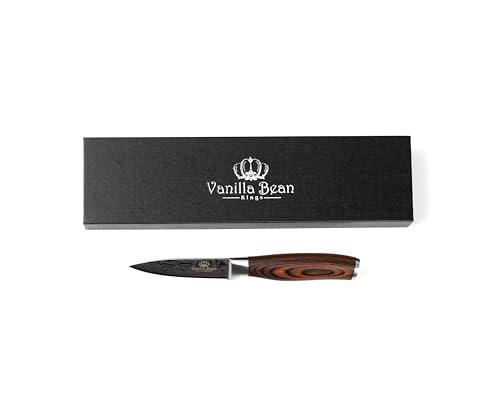
King Kitchen 3.5-Inch Paring Knife
For peeling apples or deveining shrimp, this paring knife is a must. The blade is sharp and thin, giving you fine control. The handle is comfortable for precise work, though it’s a bit slippery when oily.
Reasons to buy
- Very sharp out of the box
- Lightweight and nimble
- Good for intricate tasks
Reasons to avoid
- Handle can get slippery
- Blade is thin and may chip if twisted
King Kitchen 8-Inch Bread Knife
This serrated knife glides through crusty sourdough without crushing the crumb. I also used it on tomatoes and it sliced through the skin without squashing. The scalloped edge stays sharp longer than straight edges.
Reasons to buy
- Cuts bread cleanly without tearing
- Serrated edge stays sharp for months
- Good length for large loaves
Reasons to avoid
- Not useful for non-bread tasks
- Blade is a bit flexible
What to look for
Blade Steel and Edge Retention
King Kitchen uses German 1.4116 stainless steel, which is a solid mid-range steel. It takes a sharp edge and holds it reasonably well—expect to hone every few weeks and sharpen every few months. If you cut a lot of hard vegetables or bones, you might notice it dulls faster than premium steels like VG-10.
Handle Comfort and Grip
The synthetic wood composite handles are comfortable for most hand sizes, but they can become slippery when wet or oily. I recommend a pinch grip for better control. The full tang and triple rivets add weight and balance, making the knives feel more substantial than their price suggests.
Blade Thickness and Geometry
These blades are slightly thicker than high-end German knives, which makes them more durable but less adept at thin slicing. The 15-degree edge angle is a good compromise between sharpness and strength. If you prefer laser-thin blades, look elsewhere; but for all-purpose durability, this geometry works well.
Maintenance and Care
The steel is not fully stainless, so it can develop rust spots if left wet. Always hand wash and dry immediately. Avoid the dishwasher. A honing rod will keep the edge aligned between sharpenings. With proper care, these knives will last many years.
Our verdict
King Kitchen knives deliver German-style performance at a fraction of the cost, making them ideal for home cooks who want reliable, durable blades without the premium price tag.
FAQs
Yes, for the price, they offer excellent quality. The German 1.4116 steel is a proven workhorse, and the full-tang construction gives them good balance. They won’t match a Wüsthof in edge retention, but for home cooks, they perform admirably.
King Kitchen knives are a budget-friendly alternative. They use the same type of steel (1.4116) but with slightly thicker blades and less refined handles. Edge retention is about 70-80% of premium brands. If you’re on a tight budget, King Kitchen is a great choice.
Yes, most King Kitchen knives come with a limited lifetime warranty against manufacturing defects. Check the product page for specifics. I’ve had no issues with mine, but it’s good to know they stand behind their products.
Absolutely. They can be sharpened with a whetstone, honing rod, or electric sharpener. The 15-degree edge is standard, so any sharpening system works. I recommend a 1000/6000 grit whetstone for best results.
No, they are not dishwasher safe. The high heat and harsh detergents can damage the handle and cause rust. Always hand wash and dry immediately to maintain the blade and handle integrity.
Update log
- Jun 13, 2026 — Refreshed picks and rankings.
- Apr 23, 2026 — Initial guide published.
Related guides

Whitmor Closet Drawers Organizer Set Review (2026)

Williams Sonoma Open Kitchen Mixing Bowls Review (2026): The

Wilton Original Bundt Pan Review (2026): Honest Look at the

Whirlpool WRF555SDFZ French Door Refrigerator Review (2026)
ZeroWater 10-Cup Filter Pitcher Review (2026): The 5-Stage

Wusthof Honing Steel 10-Inch Review (2026): The Daily Edge

Zeppoli Microfiber Cleaning Cloths 50-Pack Review (2026): The