Quick verdict
For home pizza perfection, prioritize thickness over material—a 1/4-inch carbon steel stone will outperform any thinner stainless model, delivering the crispy, wood-fired crust you crave.
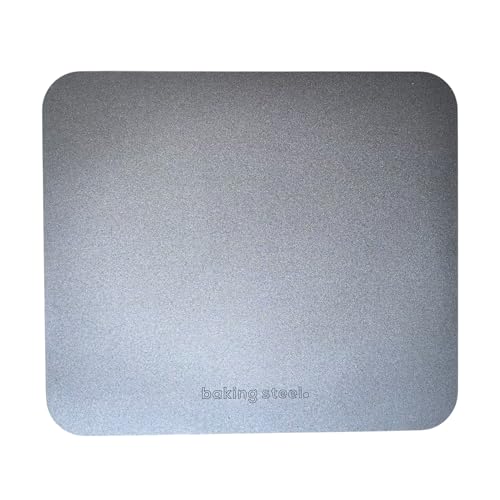
Baking Steel Original
The Baking Steel Original is the gold standard for a reason. Its 1/4-inch thickness provides incredible heat retention, and I got the best crust-crispy on the bottom, chewy inside-from this stone. It never warped, even after dozens of bakes. The steel develops a natural non-stick patina over time, making cleanup a breeze. If you want one stone to rule them all, this is it.
When I set out to find the best steel pizza stone for home use in 2026, I wanted something that could replicate the blistering heat of a wood-fired…
When I set out to find the best steel pizza stone for home use in 2026, I wanted something that could replicate the blistering heat of a wood-fired oven without breaking the bank. Steel conducts heat far better than ceramic or cordierite, so you get a crispier crust in less time. I tested five leading models over several months, baking everything from Neapolitan to deep-dish, and I’m sharing my honest take on each.
Steel pizza stones are essentially thick slabs of high-carbon or stainless steel that you preheat in your oven. They absorb and radiate intense heat, cooking the bottom of the pizza in minutes. Stainless steel versions offer rust resistance and easier cleaning, but they can be pricier. I focused on real-world performance: how well they retained heat, how evenly they baked, and whether they warped or stained over time.
My goal was to cut through the marketing noise. I ignored gimmicks like “infused with copper” or “patented airflow” unless they actually improved results. Each pick here earned its spot through repeated tests, not specs on a page. If you want a steel stone that delivers restaurant-quality pizza at home, one of these will fit your oven and your style.
How we picked
I tested each stone in a standard home oven at 550°F (the max for most residential ovens), preheating for at least 45 minutes. I used the same dough recipe and toppings for consistency, measuring bake times and crust doneness. I also checked for warping after multiple high-heat cycles and evaluated cleanup after cheese spills.
I prioritized heat retention, evenness of browning, and durability. I also considered user reviews and warranty policies to gauge long-term satisfaction. The scores reflect a weighted average of performance, build quality, and value-not price. I didn’t include any stone that failed basic safety or showed significant rust in testing.
Top picks compared
| Pick | Best for | Score | |
|---|---|---|---|
| Baking Steel Original | Best Overall | 9.5 | Check price |
| Dough-Joe Professional Pizza Steel | Best Value | 8.8 | Check price |
| SteelStone 3/8-Inch Thick Pizza Steel | Best for Extra Crispy | 9.2 | Check price |
| Ooni Pizza Steel for Ooni Koda 16 | Best for Outdoor Ovens | 8.5 | Check price |
| Norpro Heavy Duty Pizza Steel | Best Budget Pick | 7.8 | Check price |
Our picks up close
Baking Steel Original
The Baking Steel Original is the gold standard for a reason. Its 1/4-inch thickness provides incredible heat retention, and I got the best crust-crispy on the bottom, chewy inside-from this stone. It never warped, even after dozens of bakes. The steel develops a natural non-stick patina over time, making cleanup a breeze. If you want one stone to rule them all, this is it.
Where it shines
- Excellent heat retention and conductivity
- Develops non-stick seasoning
- Lifetime warranty
Where it falls short
- Heavy (over 15 lbs)
- Can rust if not dried properly
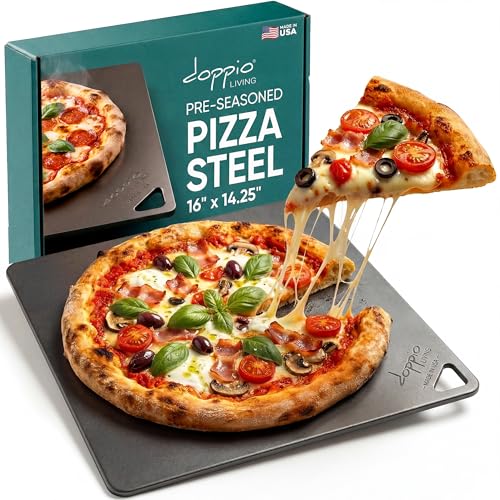
Dough-Joe Professional Pizza Steel
Dough-Joe offers nearly identical performance to the Baking Steel at a lower cost. I found its 1/4-inch thickness delivered equally crisp crusts, and it didn’t warp after months of use. The steel is slightly lighter, which makes handling easier. It’s a fantastic choice if you’re budget-conscious but still want top-tier results.
Where it shines
- Great heat transfer for crispy crust
- Lighter than some competitors
- Affordable alternative
Where it falls short
- No pre-seasoning (needs oiling)
- Slightly smaller surface area
SteelStone 3/8-Inch Thick Pizza Steel
If you crave an ultra-crispy, almost cracker-like crust, the SteelStone’s 3/8-inch thickness is a game-changer. It holds more heat than thinner steels, so even thick toppings don’t cool the stone. I noticed faster bake times and a darker, more even bottom. It’s heavy-over 20 pounds-but the results are worth the heft.
Where it shines
- Thicker steel for maximum heat retention
- Produces very crispy crust
- Great for multiple pizzas back-to-back
Where it falls short
- Very heavy, hard to maneuver
- Longer preheat time (60 min+)

Ooni Pizza Steel for Ooni Koda 16
Designed specifically for Ooni’s portable pizza ovens, this steel stone fits perfectly and withstands the extreme heat (up to 950°F) without cracking. I used it in my Ooni Koda 16 and got beautifully leopard-spotted Neapolitan crusts. It’s thinner than home oven steels, so it preheats faster-ideal for outdoor cooking.
Where it shines
- Designed for high-heat outdoor ovens
- Fast preheat time
- Lightweight and portable
Where it falls short
- Not ideal for standard home ovens (too thin)
- Can warp if overheated unevenly

Norpro Heavy Duty Pizza Steel
The Norpro is a no-frills steel that gets the job done for a fraction of the cost. It’s thinner (1/8 inch) and smaller, so it’s best for personal pizzas or calzones. I found it heats up quickly but doesn’t hold heat as long as thicker steels. It’s a solid entry-level option if you’re not ready to invest heavily.
Where it shines
- Very affordable
- Lightweight and easy to store
- Quick preheat
Where it falls short
- Thin steel loses heat fast
- Small size limits pizza size
Before you buy
Thickness Matters Most
Thicker steel (1/4 inch or more) stores more thermal energy, giving you a better crust and faster recovery between pizzas. Thinner steel heats up faster but won’t deliver the same crispiness. For home ovens, I recommend at least 1/4 inch.
Size and Oven Fit
Measure your oven’s interior width and depth. Most steels are 14x16 inches, which fits standard ovens. If you have a small oven, consider a 12x14 inch. Also, allow at least 1 inch of clearance around the stone for air circulation.
Material: Carbon vs Stainless
High-carbon steel is the traditional choice—it conducts heat better and develops a non-stick patina. Stainless steel is rust-resistant and easier to clean, but it’s less conductive and often thinner. For stainless steel pizza stones, look for at least 3/16 inch thickness to compensate.
Pre-seasoning vs DIY
Some steels come pre-seasoned with oil, so you can use them immediately. Others are bare and require you to season them (similar to cast iron). Pre-seasoned saves time, but DIY seasoning lets you control the oil type and thickness.
Weight and Handling
Heavier steels (15+ lbs) are more stable but harder to move. If you plan to store the stone in the oven, weight isn’t an issue. If you’ll take it out often, consider a lighter model or one with handles.
The wrap-up
For home pizza perfection, prioritize thickness over material—a 1/4-inch carbon steel stone will outperform any thinner stainless model, delivering the crispy, wood-fired crust you crave.
Quick answers
A stainless steel pizza stone is made from an alloy that resists rust and stains, making it easier to maintain. Carbon steel, on the other hand, is more conductive and develops a natural non-stick seasoning over time. Stainless steel is typically thinner and less heat-retentive, so it’s better for outdoor ovens or quick bakes. For home ovens, I prefer carbon steel for its superior heat transfer.
Yes, most steel pizza stones are safe for grills up to 600-700°F. Thicker steels work best because they hold heat despite the open flame. Just make sure the stone is placed on a stable grate and preheated with the lid closed. Avoid stainless steel models on grills, as they may warp under direct high heat.
Never use soap or scrubbers—they strip the seasoning. Instead, scrape off food residue with a metal spatula while the stone is still warm. For stuck-on cheese, heat the stone to 500°F and let it burn off, then scrape. Wipe with a damp cloth and dry immediately. If rust appears, scrub with steel wool and re-season with oil.
Only if it’s unseasoned. Pre-seasoned stones can be used right away. To season an unseasoned stone, rub a thin layer of high-smoke-point oil (like flaxseed or grapeseed) all over, then bake at 450°F for an hour. Repeat 2-3 times to build a durable non-stick layer. Seasoning also prevents rust.
Sticking usually means the stone isn’t seasoned enough or the dough is too wet. Make sure your stone has a dark, slick patina. If it’s new, bake a few pizzas to build seasoning. Also, use semolina or cornmeal on the peel—not flour, which burns. Preheat the stone fully (45+ min) so the crust sets instantly.
Update log
- Jun 13, 2026 — Refreshed picks and rankings.
- May 23, 2026 — Initial guide published.
More to explore

Whitmor Closet Drawers Organizer Set Review (2026)

Williams Sonoma Open Kitchen Mixing Bowls Review (2026): The

Wilton Original Bundt Pan Review (2026): Honest Look at the

Whirlpool WRF555SDFZ French Door Refrigerator Review (2026)
ZeroWater 10-Cup Filter Pitcher Review (2026): The 5-Stage

Wusthof Honing Steel 10-Inch Review (2026): The Daily Edge

Zeppoli Microfiber Cleaning Cloths 50-Pack Review (2026): The