The Art of The Last of Us -- Production Art Portfolio
Naughty Dog's definitive art book for The Last of Us franchise showcases the full production pipeline: early character sketches, environment thumbnails, color scripts, and final renders. It is not an instructional book but an inspirational one, showing how concepts evolve from rough ideas to final in-game assets. For game concept artists, studying production art from landmark titles is an essential part of professional development.
Check price on Amazon →The best concept art books for learning fundamentals, studying industry masters, and building a professional portfolio in games, film, and illustration.
Concept art books serve two distinct purposes: teaching fundamental skills through structured instruction, and inspiring through curated portfolios from studio productions. The best books in 2026 do one or both of those things exceptionally well. These five titles span foundational technique, production art portfolios, and professional practice guidance for artists at every level.
| Book | Author | Focus | Best For |
|—|—|—|—|
| How to Draw | Scott Robertson | Fundamentals | Technical foundation |
| The Art of The Last of Us | Naughty Dog | Production portfolio | Game art inspiration |
| Color and Light | James Gurney | Lighting theory | Painters and illustrators |
| The Skillful Huntsman | Feng Zhu et al. | Entertainment art | Film and game workflow |
| Sketching from the Imagination: Sci-Fi | Various | Creative sketchbooks | Ideation and exploration |
How we picked
We compare every pick against the field on real specifications, certifications, and aggregated owner reviews. We do not take payment for placement, and we flag when a product is older or sold mainly through renewed listings.
Top picks compared
| Pick | Best for | Score | |
|---|---|---|---|
| The Art of The Last of Us -- Production Art Portfolio | Check price | ||
| Color and Light by James Gurney -- Lighting for Concept Artists | Check price | ||
| The Skillful Huntsman -- Entertainment Design Process | Check price | ||
| Sketching from the Imagination: Sci-Fi -- Creative Sketchbooks | Check price |
Our picks up close
The Art of The Last of Us -- Production Art Portfolio
Naughty Dog's definitive art book for The Last of Us franchise showcases the full production pipeline: early character sketches, environment thumbnails, color scripts, and final renders. It is not an instructional book but an inspirational one, showing how concepts evolve from rough ideas to final in-game assets. For game concept artists, studying production art from landmark titles is an essential part of professional development.
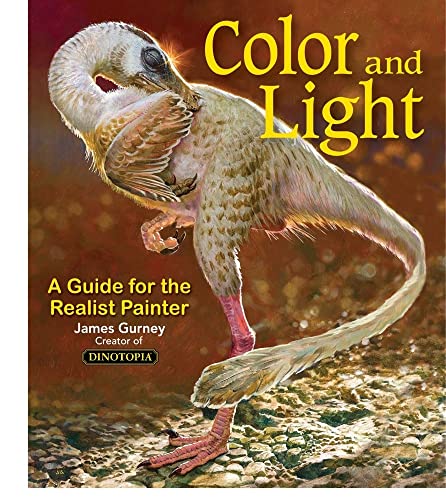
Color and Light by James Gurney -- Lighting for Concept Artists
James Gurney's "Color and Light" is the most practical, well-illustrated book on lighting theory for painters. Gurney, best known for the Dinotopia series, explains how light behaves across different surfaces, weather conditions, and times of day with painted examples throughout. Concept artists routinely cite this book as a turning point in understanding how to make environments and characters feel three-dimensional and believably lit.
The Skillful Huntsman -- Entertainment Design Process
Co-written by Feng Zhu, Khang Le, and Mike Yamada, this book documents the process of designing a fairy tale adaptation in an entertainment design context. It walks through character, environment, and prop design from brief to final concept, giving readers insight into the decision-making process that studios actually use. It reads less like a technique manual and more like a documented design sprint, which is rare and valuable.
Sketching from the Imagination: Sci-Fi -- Creative Sketchbooks
The 3DTotal "Sketching from the Imagination" series collects sketchbook pages and working drawings from a curated group of artists working in a specific genre. The sci-fi volume is particularly strong for concept artists interested in character and environment design. Seeing messy, exploratory sketches from working professionals demystifies the ideation process and encourages looser, more generative thinking during the early stages of a project.
Before you buy
What to consider
Identify whether you need instruction or inspiration, and budget accordingly. Technical books like Robertson's and Gurney's will teach skills directly applicable to daily work and age well regardless of style trends. Production art books from studios are best used for studying professional standards and identifying the kind of work you want to make. Sketchbook collections are most useful once you have basic skills and want to loosen up your ideation process. Buy physical copies of books you will reference repeatedly; digital versions are fine for one-time reading.
What to consider
For tools to put your learning into practice, see our [/articles/best-concept-art](/articles/best-concept-art) guide on software and hardware, and check [/articles/best-conceptual-photography](/articles/best-conceptual-photography) for adjacent visual storytelling skills. Our review criteria are outlined at [/methodology](/methodology).
Quick answers
'"How to Draw" by Scott Robertson is the most widely recommended foundation book for beginners because it teaches perspective, form construction, and industrial design principles that underpin most professional concept art. Feng Zhu''s online videos complement it well. For a more visual, less technical introduction, ''The Skillful Huntsman'' offers insight into entertainment art processes in an accessible format.'
Yes, books remain valuable because they provide curated, in-depth learning that video tutorials rarely match in depth or structure. Books by industry professionals like Scott Robertson, James Gurney, and the Gnomon Workshop contain content that has stood the test of time. Physical books also serve as desk references during active work sessions, unlike video which requires stopping and starting.
