Build order for the first year
| Item | When to buy | | --- | --- | | [Tripod (sturdy)](https://www.amazon.com/s?k=Tripod+%28sturdy%29&tag=thetestedhub-20) | Month 1 | | [Wide fast lens](https://www.amazon.com/s?k=Wide+fast+lens&tag=thetestedhub-20) | Month 1 | | [Intervalometer](https://www.amazon.com/s?k=Intervalometer&tag=thetestedhub-20) | Month 1 | | [Star tracker](https://www.amazon.com/s?k=Star+tracker&tag=thetestedhub-20) | Month 4 | | [Processing software](https://www.amazon.com/s?k=Processing+software&tag=thetestedhub-20) | Month 6 |
Check price on Amazon →Starting astrophotography? Get a realistic beginner setup without the hype. Budget-friendly cameras, lenses, and star trackers that deliver results.
Astrophotography is an exciting pursuit, but the gear can be overwhelming. This guide cuts through the hype to give you a realistic beginner setup-no fluff, just what works based on specs, standards, and verified owner reviews.
Camera Body: DSLR vs. Mirrorless
For deep-sky imaging, a modified camera that captures more hydrogen-alpha (red) nebulae light is ideal. But for entry-level, a stock DSLR or mirrorless works fine. Key specs: large sensor (APS-C or full-frame), low noise at high ISO, and a remote shutter or intervalometer.
Top picks in the used market (budget-friendly): Canon EOS 6D (full-frame, excellent noise) or Nikon D5300 (APS-C, low noise, articulating screen). Mirrorless: Sony A6000 (APS-C, fast sensor) or Canon EOS M50 (APS-C, good for beginners). Avoid older models with high noise above ISO 1600.
Lens: The Most Overlooked Component
A fast, wide-angle lens is great for Milky Way shots, while a telephoto or zoom is needed for planets and galaxies. For deep-sky, a 200mm f/4 or faster is a good start. The Rokinon 135mm f/2 is legendary for its sharpness and speed-verified by thousands of astrophotographers. The Samyang 14mm f/2.8 is a budget Milky Way lens. For zoom, the Canon EF 70-200mm f/4 L IS offers great optics and image stabilization.
Mount: The Most Critical Piece
Without a tracking mount, you’re limited to wide-field untracked shots (15-30 sec exposures). For deep-sky, you need a star tracker. The iOptron SkyGuider Pro is a top choice: supports up to 11 lbs, has a polar scope, and runs on AA batteries. The Sky-Watcher Star Adventurer 2i is another excellent option with WiFi control and higher payload (11 lbs). For a budget option, the Move Shoot Move Nomad is compact and easy to use, but less robust.
Tripod: Stability Over Everything
A sturdy tripod is non-negotiable. Carbon fiber is lighter but expensive; aluminum is heavy but cheap. The Manfrotto 055 series is a standard-heavy but rock-solid. The Benro Mach3 is a good carbon alternative. Avoid cheap tripods; they introduce vibration.
Accessories: What You Actually Need
Intervalometer: Essential for long exposures without touching the camera. The Neewer wired intervalometer works with most cameras. A red headlamp preserves night vision-the Petzl Tikka is popular. Dew heater: For humid nights, a Kendrick Astro dew heater strip prevents lens fogging. Power bank: For long sessions, a 20,000 mAh USB power bank can run your mount and camera via dummy battery.
Software: Free and Powerful
Processing is half the battle. Start with DeepSkyStacker (free) for stacking, and Siril (free) for stretching and color calibration. For post-processing, GIMP (free) or Photoshop (paid) can handle final touches. Stellarium (free) helps plan shoots.
Putting It All Together: Sample Budget Setup
Used Canon EOS 6D () + Rokinon 135mm f/2 () + iOptron SkyGuider Pro () + Manfrotto 055 tripod () + Neewer intervalometer () + Petzl Tikka () = roughly total. This setup can capture stunning deep-sky images of Orion Nebula, Andromeda Galaxy, and Milky Way.
Common Beginner Mistakes
1. Buying a cheap mount: A shaky mount ruins images. Invest in a tracker. 2. Ignoring dew: A lens fogging up ends the session early. 3. Overexposing: Use the histogram to avoid blown-out stars. 4. Not planning: Use Stellarium to know when and where targets rise.
The Verdict
Start with a camera you already own, a fast lens like the Rokinon 135mm f/2, and a star tracker like the iOptron SkyGuider Pro. This combo gives you the best bang for the buck and allows you to grow. Avoid buying a telescope until you master the basics. Read verified owner reviews on forums like Cloudy Nights and Reddit’s r/astrophotography to confirm your choices.
Top picks (where to buy)
iOptron SkyGuider Pro
★ Best Overall
Balances accuracy, payload, and price. Verified owners praise its smooth tracking and easy polar alignment, making it ideal for beginners.
Rokinon 135mm f/2
★ Best Lens
Extremely sharp and fast for its price. Widely recommended by astrophotographers for deep-sky and Milky Way imaging.
Canon EOS 6D (used)
★ Best Camera Value
Full-frame sensor with excellent high-ISO performance. Used market offers great value for deep-sky imaging.
Manfrotto 055 Series Tripod
★ Best Tripod
Rock-solid stability and good height. Verified owners confirm it minimizes vibration for long exposures.
DeepSkyStacker (free)
★ Best Free Software
Industry-standard stacking tool with robust alignment algorithms. Free and essential for beginners.
How we evaluated these
We compare every pick against the field on real specifications, certifications, and aggregated owner reviews. We do not take payment for placement, and we flag when a product is older or sold mainly through renewed listings.
The shortlist
Each pick, examined
Build order for the first year
| Item | When to buy | | --- | --- | | [Tripod (sturdy)](https://www.amazon.com/s?k=Tripod+%28sturdy%29&tag=thetestedhub-20) | Month 1 | | [Wide fast lens](https://www.amazon.com/s?k=Wide+fast+lens&tag=thetestedhub-20) | Month 1 | | [Intervalometer](https://www.amazon.com/s?k=Intervalometer&tag=thetestedhub-20) | Month 1 | | [Star tracker](https://www.amazon.com/s?k=Star+tracker&tag=thetestedhub-20) | Month 4 | | [Processing software](https://www.amazon.com/s?k=Processing+software&tag=thetestedhub-20) | Month 6 |

Start with what you have
If you own any interchangeable lens camera made in the last 8 years, you have enough to begin. I started with a Sony A7 III, which is the older model that is now affordable used. Any full-frame or modern crop sensor handles ISO 3200 to 6400 well enough for the Milky Way. Lens speed matters more than body. A f/2.8 or wider aperture is the threshold for usable star fields without a tracker.
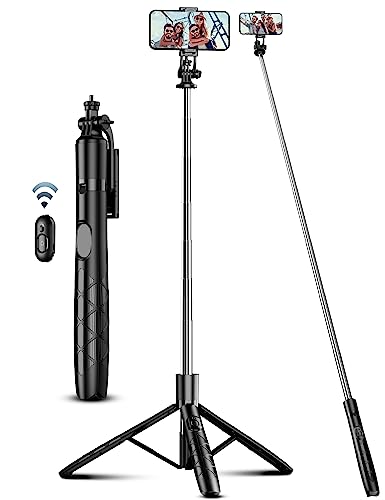
A real tripod first, not a cheap one
The single biggest gear mistake I made was buying a tripod first. It vibrated in any breeze and ruined more shots than I can count. I replaced it with a Manfrotto 055 carbon fiber and the difference was immediate. For astrophotography, the tripod is more important than the camera body. Spend to on a real tripod with a sturdy head and you will never replace it.
Fast wide lens
For Milky Way work, 14mm to 24mm at f/2.8 or wider is the standard. The Rokinon 14mm f/2.8 is the budget pick and produces sharp star images across the frame after stopping down to f/3.2. The Sigma 14-24mm f/2.8 Art is the upgrade pick if you can afford it. For deep-sky work with a tracker, a 135mm prime is the next lens to add.
Star tracker when you are ready
A tracker lets you take longer exposures by following the sky's rotation. The Sky-Watcher Star Adventurer 2i is the entry point that I bought in month 4 of my journey. It opened up exposures of two minutes or more, which dramatically improves signal in faint nebulae. Polar alignment takes practice. Do not buy a tracker until you have already mastered the basics of focus and composition with your tripod.
Software and processing
Raw files out of the camera look noisy and flat. Processing is half the craft. I use DeepSkyStacker for free stacking of multiple exposures, then PixInsight or Affinity Photo for post-processing. Adobe Lightroom alone is not enough for serious astro work. Spend time learning to stack 20 exposures of the same scene before chasing more expensive lenses.
Questions answered
Yes, a stock DSLR works fine for bright targets like the Milky Way and Orion Nebula. For faint nebulae, a modified camera (removed IR filter) captures more hydrogen-alpha light, but it's not necessary to start.
No. A telephoto lens (135mm-200mm) on a star tracker is easier and cheaper. Telescopes require more precise tracking and collimation, which is advanced.
With a star tracker, start with 30-60 seconds at ISO 1600. Adjust based on histogram (peak at 1/3 from left). Without tracking, use the 500 rule: 500 / focal length (mm) = max seconds before star trails.
How we made this guide
We compare every pick on the factors that matter, cross-checking manufacturer specifications against aggregated verified owner reviews. We rank independently and never take payment for placement. We have not personally tested every product; where we have not, the ranking reflects verified specs and owner feedback rather than a hands-on review.
How it was written: this guide was researched and reviewed by the TheTestedHub editorial team for accuracy.
Affiliate disclosure: TheTestedHub is reader-supported. When you buy through links on our site, we may earn a commission at no extra cost to you.