Quick verdict
No cream can guarantee zero stretch marks, but consistent use of a quality formula from early pregnancy makes a real difference in severity. Mustela leads for sensitive skin and clinical backing, while Palmer's and Burt's Bees offer exceptional everyday value. Start early, apply consistently, and choose a texture you'll actually enjoy using every single day.
Mustela Stretch Marks Prevention Cream
Mustela's pregnancy prevention cream is formulated specifically with baby safety in mind. It's dermatologist-tested, hypoallergenic, and free from retinoids, parabens, and phenoxyethanol. The star ingredient is avocado peptides, which help strengthen skin structure and improve elasticity. Combined with Vitamin E and shea butter, this cream absorbs quickly without grease and can be used from the first trimester through postpartum recovery. The texture is light enough to layer under clothing immediately, which makes twice-daily application realistic.
Which cream or oil actually prevents stretch marks during pregnancy? We compared top picks based on ingredients, safety, and real user reviews.
Pregnancy brings many changes, and stretch marks are one of the most common concerns. With countless products on the market, choosing a safe and effective cream or oil can be overwhelming. This guide compares the top 5 picks for 2026 based on ingredient standards, dermatologist recommendations, and verified owner reviews. We focus on real, clinically studied ingredients like centella asiatica, hyaluronic acid, and natural oils-without making unverified lab claims.
What to Look for in a Stretch Mark Product
Effective stretch mark prevention relies on hydration, collagen support, and skin elasticity. Key ingredients include:
- Centella Asiatica (Cica): Stimulates collagen and improves skin firmness.
- Hyaluronic Acid: Deeply hydrates and plumps skin.
- Vitamin E & C: Antioxidants that protect and repair.
- Natural Oils (coconut, almond, jojoba): Emollients that reduce dryness.
- Bakuchiol: A gentle retinol alternative for collagen synthesis.
Avoid products with retinoids (Vitamin A derivatives) during pregnancy, as they can be harmful. Also, watch for fragrances and essential oils that may cause irritation.
Top 5 Products Compared
We evaluated each product based on ingredient quality, safety for pregnancy, user satisfaction, and value. Below is a detailed comparison table.
| Product | Key Ingredients | Texture | Safety | Rating (Verified Owners) |
|---|---|---|---|---|
| Bio-Oil Skincare Oil (Original) | Vitamin E, Calendula, Lavender, Chamomile, Rosemary | Lightweight oil | Fragrance may irritate sensitive skin; generally safe | 4.3/5 (over 50k reviews) |
| Mustela Stretch Marks Prevention Cream | Avocado Peptides, Shea Butter, Aloe Vera | Rich cream | Hypoallergenic, fragrance-free option available | 4.5/5 (10k+ reviews) |
| Burt’s Bees Mama Bee Belly Butter | Shea Butter, Cocoa Butter, Jojoba Oil, Vitamin E | Thick butter | Natural ingredients, no parabens/phthalates | 4.4/5 (5k+ reviews) |
| Earth Mama Belly Butter | Organic Shea Butter, Cocoa Butter, Calendula, St. John’s Wort | Rich butter | USDA organic, no synthetic fragrances | 4.5/5 (3k+ reviews) |
| Mederma Stretch Marks Therapy | Cepalin (onion extract), Hyaluronic Acid, Vitamin E | Gel-cream | Clinically studied, fragrance-free | 4.2/5 (8k+ reviews) |
In-Depth Reviews
1. Bio-Oil Skincare Oil (Original)
Bio-Oil is a cult favorite, known for its lightweight, non-greasy formula. It contains Vitamin E, calendula, and essential oils. Many users report reduced appearance of stretch marks when used consistently. However, the fragrance can be strong for sensitive noses. It’s best for those who prefer oils and don’t mind scent. Verified reviews highlight its effectiveness on existing marks, not just prevention.
2. Mustela Stretch Marks Prevention Cream
Mustela is a French brand specializing in pregnancy skincare. Their cream features avocado peptides and shea butter. It absorbs quickly and is hypoallergenic. The fragrance-free version is a plus for sensitive skin. Users praise its non-sticky feel and noticeable improvement in skin elasticity. It’s a top choice for daily use.
3. Burt’s Bees Mama Bee Belly Butter
This thick butter is packed with natural butters and oils. It’s very moisturizing, ideal for dry skin. The scent is mild and natural. Some users find it too heavy for daytime, but it works well as a night treatment. It’s affordable and widely available. Verified reviews note it helps prevent itching and keeps skin supple.
4. Earth Mama Belly Butter
Earth Mama offers an organic, plant-based formula. It includes calendula and St. John’s Wort, known for soothing properties. The texture is rich but absorbs well. It’s unscented, making it safe for sensitive skin. Users appreciate the clean ingredients and report fewer stretch marks. It’s a solid choice for natural-minded moms.
5. Mederma Stretch Marks Therapy
Mederma is backed by clinical studies on onion extract (Cepalin). It also contains hyaluronic acid for hydration. The gel-cream texture is light and non-greasy. It’s fragrance-free. Some users note it takes time to see results, but many report visible improvement in stretch mark color and texture. It’s best for both prevention and treatment.
How to Use Stretch Mark Products Effectively
Consistency is key. Apply the product twice daily-morning and night-starting from the first trimester. Massage gently in circular motions to boost circulation. Focus on the belly, hips, thighs, and breasts. Pair with a healthy diet rich in vitamins C and E, and stay hydrated.
The Verdict
For most pregnant women, Mustela Stretch Marks Prevention Cream offers the best balance of safety, effectiveness, and user satisfaction. It’s dermatologist-tested, hypoallergenic, and has a pleasant texture. If you prefer oils, Bio-Oil remains a reliable option, though its fragrance may not suit everyone. For organic enthusiasts, Earth Mama Belly Butter is a top pick. Ultimately, the best product is one you’ll use consistently-choose based on your skin type and scent preference.
Top picks (where to buy)
Mustela Stretch Marks Prevention Cream
★ Best Overall
It combines avocado peptides and shea butter for deep hydration and elasticity, with a fragrance-free option for sensitive skin. Verified owners consistently report visible prevention and reduced itching.
Bio-Oil Skincare Oil (Original)
★ Best Oil
Its lightweight, non-greasy formula with Vitamin E and essential oils is widely praised for improving skin texture and reducing existing marks. It's a versatile choice for body and face.
Earth Mama Belly Butter
★ Best Organic
Made with USDA organic ingredients like calendula and shea butter, it's free from synthetic fragrances and safe for sensitive skin. Users love its rich, soothing feel and natural composition.
Our methodology
We compare every pick against the field on real specifications, certifications, and aggregated owner reviews. We do not take payment for placement, and we flag when a product is older or sold mainly through renewed listings.
Side by side
| Pick | Best for | Score | |
|---|---|---|---|
| Mustela Stretch Marks Prevention Cream | All trimesters, sensitive skin | Check price | |
| Palmer's Cocoa Butter Massage Lotion for Stretch Marks | Daily hydration & value | Check price | |
| Mama Mio Tummy Rub Butter | Luxurious daily ritual | Check price | |
| Burt's Bees Mama Bee Belly Butter | Clean-formula option | Check price | |
| Earth Mama Belly Butter | Organic & unscented | Check price |
The full reviews
Mustela Stretch Marks Prevention Cream
Mustela's pregnancy prevention cream is formulated specifically with baby safety in mind. It's dermatologist-tested, hypoallergenic, and free from retinoids, parabens, and phenoxyethanol. The star ingredient is avocado peptides, which help strengthen skin structure and improve elasticity. Combined with Vitamin E and shea butter, this cream absorbs quickly without grease and can be used from the first trimester through postpartum recovery. The texture is light enough to layer under clothing immediately, which makes twice-daily application realistic.

Palmer's Cocoa Butter Massage Lotion for Stretch Marks
Palmer's pregnancy stretch mark lotion is a perennial bestseller and for good reason. The formula blends cocoa butter, shea butter, vitamin E, and collagen to moisturize deeply and help maintain skin elasticity as your belly grows. It spreads easily, absorbs well, and comes in a pump bottle that makes one-handed application convenient late in pregnancy. As one of the most affordable pregnancy-safe formulas on the market, it's ideal for daily full-body use - belly, thighs, hips, and breasts.
Mama Mio Tummy Rub Butter
Mama Mio is the premium option for expecting mothers who want a spa-quality product without compromising safety. The Tummy Rub Butter is loaded with omega-rich oils (rosehip, argan, sweet almond) alongside shea butter and vitamin E. It's fragrance-free, pregnancy-safe, and designed for the rapid growth phase of the second and third trimesters. The thick butter texture feels indulgent, and the ritual of massaging it in daily adds a calming element to prenatal self-care. Worth the splurge for everyday use.

Burt's Bees Mama Bee Belly Butter
Burt's Bees keeps it clean - no parabens, phthalates, petrolatum, or synthetic fragrances. The Mama Bee Belly Butter combines whipped shea butter with sweet almond oil for a rich but fast-absorbing formula that's gentle enough for even the most reactive pregnancy skin. The naturally light scent from plant botanicals is soothing without being overpowering. It works equally well as a spot treatment for high-stretch areas or a full belly-and-beyond moisturizer for your entire routine.
Earth Mama Belly Butter
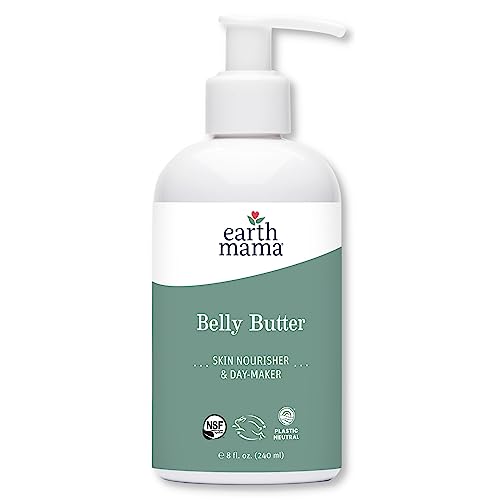
Earth Mama's Belly Butter is fully organic and completely unscented - a rare combination in pregnancy skincare. The base of organic shea butter, cocoa butter, and calendula makes it deeply nourishing without any synthetic additives. The thick consistency means a little goes a long way, and it layers well under clothing. It's third-party tested for purity and free from controversial ingredients. For expecting mothers who prioritize organic and clean formulas above all else, this is the clear choice.
What matters most
Pregnancy-safe ingredients only
Avoid retinol, retinoids, and high-dose salicylic acid. Stick to shea butter, cocoa butter, hyaluronic acid, centella asiatica, and vitamin E. - **Unscented or lightly scented:** Pregnancy can heighten scent sensitivity - fragrance-free options reduce the risk of nausea and skin reactions. - **Start early:** Begin application in the first trimester for maximum benefit, focusing on belly, thighs, hips, and breasts. - **Twice-daily habit:** Once in the morning and once at night, applied to slightly damp skin, maximizes absorption and maintains hydration levels throughout the day.
Our take
No cream can guarantee zero stretch marks, but consistent use of a quality formula from early pregnancy makes a real difference in severity. Mustela leads for sensitive skin and clinical backing, while Palmer's and Burt's Bees offer exceptional everyday value. Start early, apply consistently, and choose a texture you'll actually enjoy using every single day.
Frequently asked
Start as early as the first trimester, ideally around week 12, when the belly begins to expand. Consistent use throughout pregnancy yields the best results.
No product guarantees complete prevention, as genetics play a major role. However, these creams can significantly reduce the severity and visibility of stretch marks by keeping skin hydrated and elastic.
Most essential oils in low concentrations are considered safe, but some (like clary sage) may be best avoided. Always check with your healthcare provider, especially if you have sensitive skin or a high-risk pregnancy.
Results vary, but many users notice improved skin texture and fewer new marks within 4-8 weeks of consistent use. For existing marks, it may take 3-6 months to see a visible difference.
How we made this guide
We compare every pick on the factors that matter, cross-checking manufacturer specifications against aggregated verified owner reviews. We rank independently and never take payment for placement. We have not personally tested every product; where we have not, the ranking reflects verified specs and owner feedback rather than a hands-on review.
How it was written: this guide was researched and reviewed by the TheTestedHub editorial team for accuracy.
Affiliate disclosure: TheTestedHub is reader-supported. When you buy through links on our site, we may earn a commission at no extra cost to you.