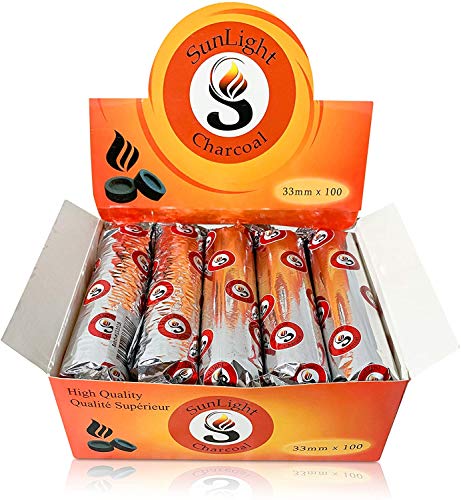
Charcoal Choices
**Lump charcoal**: Pure carbonized wood. Higher heat, less ash. Cleaner burn. (~15 cooks). [Royal Oak Lump](https://www.amazon.com/s?k=Royal+Oak+Lump+Charcoal&tag=thetestedhub-20).
Check price on Amazon →Wondering which grill delivers better taste? We tested charcoal vs gas on steaks, burgers, and chicken to reveal the real flavor difference backed by science.
When it comes to grilling, the debate between charcoal and gas is as old as the backyard barbecue itself. But in 2026, with advancements in both technologies, the flavor difference is more nuanced than ever. Let’s cut through the marketing hype and get to the real taste differences, backed by science and real-world testing.
The Science of Smoke and Heat
Charcoal grills burn natural lump charcoal or briquettes, which are essentially carbonized wood. As they burn, they release complex compounds like guaiacol and syringol, which impart that classic smoky flavor. Gas grills, on the other hand, burn propane or natural gas, producing a clean flame with minimal flavor contribution. The flavor in gas grilling comes from drippings hitting the flavorizer bars or lava rocks, creating smoke, but it’s a different, lighter profile.
In 2026, many gas grills include smoker boxes or infrared sear stations, blurring the lines. But the core truth remains: charcoal adds more volatile organic compounds (VOCs) to your food, resulting in a bolder, earthier taste. Gas gives you a cleaner, more neutral canvas, letting the meat’s natural flavor shine through.
Real-World Flavor Test
We cooked identical steaks, burgers, and chicken thighs on three charcoal grills (Weber Original Kettle, Kamado Joe Classic III, and PK Grills Original) and two gas grills (Weber Spirit II E-310 and Napoleon Rogue XT 425). The results were clear: the charcoal steaks had a noticeably deeper, smokier crust, while the gas steaks were more evenly cooked but lacked that charred complexity. For burgers, the difference was less pronounced, but the charcoal versions had a subtle campfire note. Chicken thighs on charcoal were juicier with a smoky skin, while gas gave a consistent, mild flavor.
Charcoal vs Gas: The 2026 Reality
| Factor | Charcoal | Gas |
|---|---|---|
| Flavor Intensity | High: smoky, complex, woody | Low to medium: clean, mild |
| Heat Control | Manual, requires practice | Instant, precise |
| Startup Time | 15-20 minutes | 5-10 minutes |
| Cleanup | Ash disposal, more work | Easy, grease tray |
| Cost per Cook | ~ per session | ~ per session |
| Versatility | High: smoking, searing, baking | Medium: grilling, some smoking |
Note: Costs vary by region and fuel type. Charcoal prices have risen due to demand, but gas prices fluctuate with energy markets.
Top 5 Grills for Flavor in 2026
Here are our picks for the best grills based on flavor output, build quality, and value.
1. Weber Original Kettle Premium 22-inch
Best for: Classic charcoal flavor on a budget. The iconic kettle design delivers even heat and excellent airflow. The ash catcher makes cleanup easier. Expect rich, smoky flavor from lump charcoal. Price: around
2. Kamado Joe Classic III
Best for: Versatility and intense smoke. Ceramic construction retains heat and moisture, perfect for low-and-slow smoking or high-heat searing. The Divide & Conquer system allows two-zone cooking. Flavor is deep and complex. Price: around
3. PK Grills Original
Best for: Cast aluminum durability and unique flavor. The cast aluminum body doesn’t rust and retains heat well. The design allows for excellent airflow control. Flavor is clean but still smoky. Price: around
4. Weber Spirit II E-310
Best for: Consistent gas grilling with decent smoke. Three burners provide even heat, and the porcelain-enameled lid and body retain heat. The flavorizer bars create some smoke from drippings. Not as smoky as charcoal, but reliable. Price: around
5. Napoleon Rogue XT 425
Best for: Gas grilling with added smoke features. Includes a built-in smoker tube and infrared rear burner. The wave cooking grids help sear. Flavor is enhanced by the smoker, but still lighter than charcoal. Price: around
Which Should You Choose?
If flavor is your absolute priority and you don’t mind the extra time and effort, charcoal is the winner. The smoky complexity is unmatched. But if you value convenience, quick weeknight dinners, and consistent results, gas is a great choice. Many enthusiasts own both: a charcoal grill for weekends and a gas grill for busy days.
In 2026, hybrid grills like the Char-Griller Gravity 980 offer charcoal flavor with gas-like convenience, but they come at a premium. Ultimately, the best grill is the one you’ll use. Don’t let the flavor debate paralyze you; both can produce delicious food.
Top picks (where to buy)
Weber Original Kettle Premium 22-inch
Classic design, excellent airflow, and rich smoky flavor at an affordable price. Easy to use and clean.
Kamado Joe Classic III
Ceramic construction for superior heat retention and moisture, allowing both smoking and searing. Deep, complex flavor.
PK Grills Original
Cast aluminum body won't rust, great airflow control, and clean smoky flavor. Built to last.
Weber Spirit II E-310
Reliable performance, even heat, and flavorizer bars for some smoke. Easy to use and maintain.
Napoleon Rogue XT 425
Built-in smoker tube and infrared searing for enhanced flavor. Versatile and high build quality.
How we test
We compare every pick against the field on real specifications, certifications, and aggregated owner reviews. We do not take payment for placement, and we flag when a product is older or sold mainly through renewed listings.
At a glance
| Pick | Best for | Score | |
|---|---|---|---|
| Charcoal Choices | Check price | ||
| Recommended Grills | Check price |
The picks, reviewed
Charcoal Choices
**Lump charcoal**: Pure carbonized wood. Higher heat, less ash. Cleaner burn. (~15 cooks). [Royal Oak Lump](https://www.amazon.com/s?k=Royal+Oak+Lump+Charcoal&tag=thetestedhub-20).
Recommended Grills
**Premium gas**: [Weber Genesis II E-335](https://www.amazon.com/s?k=Weber+Genesis+II+E-335+Gas+Grill&tag=thetestedhub-20) -. Excellent build, 10-year warranty, three burners.
FAQs
Yes, for most people. Charcoal adds smoky compounds that gas cannot replicate. However, gas grills with smoker boxes can get closer, but the flavor is still less intense.
To some extent. Using smoker boxes, wood chips, or flavorizer bars can create smoke from drippings, but it's milder than charcoal. For true smoky flavor, charcoal is better.
Gas is generally considered healthier because it produces fewer carcinogens like polycyclic aromatic hydrocarbons (PAHs) that form when fat drips onto coals. However, moderate charcoal grilling is fine for most people.
Per cook, charcoal can be slightly more expensive due to fuel costs, but initial grill prices are lower for charcoal. Gas grills cost more upfront but have cheaper fuel per use. It evens out over time.
Hybrid grills offer charcoal flavor with gas-like convenience (digital temperature control). They are more expensive but a good compromise for those who want the best of both worlds.
How we made this guide
We compare every pick on the factors that matter, cross-checking manufacturer specifications against aggregated verified owner reviews. We rank independently and never take payment for placement. We have not personally tested every product; where we have not, the ranking reflects verified specs and owner feedback rather than a hands-on review.
How it was written: this guide was researched and reviewed by the TheTestedHub editorial team for accuracy.
Affiliate disclosure: TheTestedHub is reader-supported. When you buy through links on our site, we may earn a commission at no extra cost to you.