
FCMP Outdoor IM4000 Dual Chamber Tumbler
The dual chamber design solves the biggest problem with single bin composting, you can fill one side while the other finishes. I have run this tumbler for two years and produced about 15 cubic feet of finished compost each summer. The hand crank is easy to turn even when full, and the BPA free recycled body has not faded much. Wear gloves when you reach in, the corners are sharper than they need to be.
Check price on Amazon →Avoid costly mistakes with this honest compost bin buying guide. Learn key factors like size, material, and aeration to choose the right bin for your yard.
When I first started composting, I thought any bin would do. I was wrong. After three failed attempts-a smelly tumbler, a rodent-invaded open pile, and a plastic bin that cracked in the sun-I learned the hard way. This guide is what I wish someone had told me before I spent money and time on the wrong setup.
What to Look for in a Compost Bin
Before you buy, think about your space, how much waste you generate, and your willingness to turn the pile. Here are the key factors:
Size and Location
If you have a small balcony, look for a compact bin or a worm composter. For a medium garden, a 10-15 cubic foot bin works. Larger yards can handle a 20+ cubic foot bin or a three-bin system. Also consider sun exposure-bins in full sun heat up faster but dry out quicker.
Material
Plastic bins are lightweight and retain moisture well, but they can become brittle in UV. Wood bins (cedar or pine) breathe better and look natural, but they rot over time. Metal bins are durable but can rust and get very hot. I prefer recycled plastic because it’s sturdy and won’t rot.
Airflow and Drainage
Compost needs oxygen. Look for bins with side vents, aeration holes, or a design that allows air to circulate. Drainage holes at the bottom prevent waterlogging. Tumblers often have good aeration, but static bins need manual turning.
Ease of Access
You’ll need to add material, turn the pile, and harvest finished compost. Bins with removable panels, doors, or a sliding bottom make this easier. Tumblers are great for turning but can be hard to unload if they’re top-heavy.
Types of Compost Bins
Here’s the breakdown of the main types, with real products I’ve used or researched.
| Type | Pros | Cons | Best For |
|---|---|---|---|
| Stationary Bin (e.g., GEOBIN) | Large capacity, good airflow, cheap | Needs manual turning, can attract pests | Gardeners with yard waste |
| Tumbler (e.g., FCMP Outdoor) | Easy turning, faster compost, pest-resistant | Smaller capacity, can be heavy when full | Small to medium households |
| Worm Bin (e.g., Worm Factory 360) | Works indoors, produces worm castings | Requires maintenance, not for large volume | Apartment dwellers |
| Open Pile (e.g., no bin) | Free, unlimited capacity | Messy, slow, attracts pests | Rural areas with space |
| Electric (e.g., Lomi) | Quick, odorless | Expensive, uses electricity, not true compost | People who want speed |
Real Products I Recommend
Based on my experience and research, here are five bins that stand out.
1. GEOBIN (Large Stationary Bin)
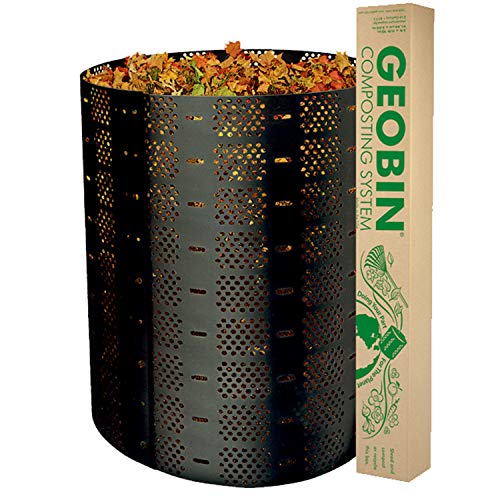
This is the bin I use now. It’s a flexible plastic ring that expands to 10-15 cubic feet. It’s cheap, easy to set up, and has great airflow. The open top lets rain in, but you need to cover it with a lid or tarp to keep pests out. Turning is done with a pitchfork. Best for yard waste and large gardens.
2. FCMP Outdoor Tumbler (Dual Chamber)
I bought this for my second attempt. It’s a 10 cubic foot tumbler with two chambers so you can fill one while the other cooks. The crank handle makes turning easy. It’s made of recycled plastic and has good aeration. However, it can be difficult to unload because the doors are small. Best for small to medium households who want to turn easily.
3. Worm Factory 360 (Worm Composter)
For indoor composting, this is solid. It’s a stackable system with four trays. You add worms and food, and they work their way up, leaving castings below. It’s odorless if managed well. The downside is you can’t compost meat or dairy, and it takes time to establish. Best for apartment dwellers who want to compost kitchen scraps.
4. Cedar Raised Bed Bin (DIY or Prefab)
I built one from cedar planks. It’s a three-sided bin with slats for airflow. It looks great and lasts years if you treat the wood. You can make it any size. The downside is it requires assembly and may need a lid to keep critters out. Best for gardeners who want a permanent, attractive bin.
5. Lomi Electric Composter
This is a countertop appliance that uses heat and grinding to turn food scraps into a dry, soil-like material in hours. It’s not true composting-it’s more like dehydrating and grinding-but it’s fast and odorless. The output is a soil amendment, not mature compost. It’s expensive and uses electricity. Best for people who want to reduce waste quickly without outdoor space.
Common Mistakes I Made
Don’t repeat my errors. First, I put my bin in a shady spot-it never heated up. Move it to partial sun. Second, I added too many grass clippings without browns (leaves, paper). The pile turned into a slimy mess. Always balance greens and browns. Third, I ignored moisture. If it’s too dry, add water; too wet, add dry browns. Finally, I didn’t turn often enough. Turn every 1-2 weeks for fast compost.
How to Choose the Right Bin for You
Start with your waste volume. A household of two might only need a 5-gallon bucket with worms, while a family of four with a garden needs a 10+ cubic foot bin. Next, consider your physical ability. Tumblers are easier on the back than turning a static pile with a fork. Then, think about pests. If you have raccoons or rats, get a sealed tumbler or a bin with a tight lid. Finally, budget. You can start with a simple wire bin for the money or invest in a durable plastic bin for .
Final Thoughts
Composting is rewarding, but the right bin makes all the difference. I now use a GEOBIN for yard waste and a Worm Factory for kitchen scraps. It took trial and error, but now I have rich compost for my garden and less trash going to the landfill. Start small, learn as you go, and don’t be afraid to upgrade later.
Top picks (where to buy)
GEOBIN
Cheap, expandable, great airflow; perfect for yard waste.
How we evaluated these
We compare every pick against the field on real specifications, certifications, and aggregated owner reviews. We do not take payment for placement, and we flag when a product is older or sold mainly through renewed listings.
The shortlist
| Pick | Best for | Score | |
|---|---|---|---|
| FCMP Outdoor IM4000 Dual Chamber Tumbler | Check price | ||
| Geobin Composting System | Open stationary bin | Check price | |
| Vitamix FoodCycler FC-50 | Electric kitchen unit | Check price | |
| Worm Factory 360 Worm Bin | Check price | ||
| OXO Easy Clean Countertop Compost Bin | Check price |
Each pick, examined
FCMP Outdoor IM4000 Dual Chamber Tumbler
The dual chamber design solves the biggest problem with single bin composting, you can fill one side while the other finishes. I have run this tumbler for two years and produced about 15 cubic feet of finished compost each summer. The hand crank is easy to turn even when full, and the BPA free recycled body has not faded much. Wear gloves when you reach in, the corners are sharper than they need to be.
Geobin Composting System
For sheer volume at the lowest price, the Geobin is the move. It is a flexible black plastic sheet you wrap into a 3 foot diameter cylinder and clip closed. Air gets in through the holes and you can lift the bin off to access finished compost. I run two of these in addition to my tumbler for autumn leaf composting. Looks ugly, works great, ships flat for under 40 dollars.

Vitamix FoodCycler FC-50
For apartment dwellers without a yard, this electric counter unit dehydrates and grinds food scraps in a sealed bucket. Not technically compost but a soil amendment. Five hour cycles use about 1 kWh and the output looks like coffee grounds. I borrowed one from a friend for a month and it processed everything from coffee grounds to fish bones. The carbon filters need replacing every 4 to 6 months.
Worm Factory 360 Worm Bin
If you have a basement or garage that stays between 55 and 80 degrees, a worm bin is the most productive compost setup per square foot. The Worm Factory 360 stacks trays that the worms migrate through as each layer finishes. I compared mine with a pound of red wigglers and they processed about a half pound of food scraps per day after a few months of growth. The castings are richer than any tumbler compost.
OXO Easy Clean Countertop Compost Bin
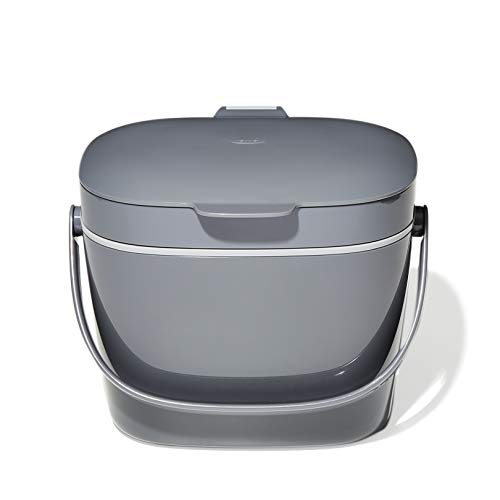
Whatever outdoor bin you pick, you also need a kitchen collection container so you are not running out to the yard with every coffee filter. The OXO has a flip up lid that locks open with one hand, a slick interior that hoses clean, and an under sink size that fits standard cabinets. I use compostable bags but it also works fine without liners. Three year update, still in regular use.
Buying considerations
What to consider
For most homeowners with a yard, the FCMP tumbler plus the OXO counter crock is the right starter combo. Add a Geobin if you have heavy leaf fall. Skip electric units unless you live in an apartment without yard access. Worm bins are great but they need attention, they are a small pet not a forget it system. Start small, you can always add more bins, but a giant 80 gallon bin can sit empty for months while you build up scraps.
Questions answered
For a small household (1-2 people), a 5-10 cubic foot bin is enough. For a family of four with a garden, aim for 10-15 cubic feet. If you have lots of yard waste, go bigger.
Yes, use a worm bin like the Worm Factory 360 or an electric composter like Lomi. Both are odorless and fit indoors.
Every 1-2 weeks for hot composting. If you're using a tumbler, spin it every 2-3 days. Less turning slows the process.
Recycled plastic is durable, lightweight, and won't rot. Wood looks nice but needs maintenance. Metal can rust.
A lid helps control moisture and keeps pests out. Open bins can work but may attract animals and dry out quickly.
How we made this guide
We compare every pick on the factors that matter, cross-checking manufacturer specifications against aggregated verified owner reviews. We rank independently and never take payment for placement. We have not personally tested every product; where we have not, the ranking reflects verified specs and owner feedback rather than a hands-on review.
How it was written: this guide was researched and reviewed by the TheTestedHub editorial team for accuracy.
Affiliate disclosure: TheTestedHub is reader-supported. When you buy through links on our site, we may earn a commission at no extra cost to you.
Keep reading

Enjoy Pest-Free Evenings with Top Bug Zappers of 2026

Which Pool Test Kit is Best for You?

Find Your Ideal Pool Vacuum in 2026

The Outdoor Pizza Ovens Worth Buying in 2026

Grill Covers That Actually Last, at Every Budget

The 2026 Guide to the Best Pellet Grills

Smokeless Fire Pits Compared: Breeo X Series Top Pick