
Monitor Setup
**Height**: Top of screen at eye level when sitting upright. Sitting straight, your eyes should look slightly down (0-20 degrees) to read the screen center.
Check price on Amazon →The Herman Miller Aeron tops our ergonomic workstation guide. Learn how to choose the right chair, desk, and accessories for a pain-free setup that.
Setting up an ergonomic workstation is more critical than ever in 2026, as remote and hybrid work models continue to dominate. With prolonged screen time, poor posture can lead to chronic pain, reduced productivity, and long-term health issues. This guide provides a step-by-step approach to creating a workspace that supports your body, backed by the latest research and real product comparisons. We’ll cover essential components: chair, desk, monitor setup, keyboard, mouse, lighting, and accessories. No gimmicks-just practical advice for a healthier workday.
1. The Foundation: Ergonomic Chair
Your chair is the cornerstone of ergonomics. Look for adjustable seat height, lumbar support, armrests, and tilt tension. The best chairs allow you to sit with feet flat on the floor, knees at 90 degrees, and lower back supported. In 2026, chairs like the Herman Miller Aeron and Steelcase Gesture remain top contenders, but newer models from Branch and Autonomous offer similar features at lower prices.
| Feature | Herman Miller Aeron | Steelcase Gesture | Branch Ergonomic Chair |
|---|---|---|---|
| Price Range | ~ | ~ | ~ |
| Lumbar Support | Adjustable PostureFit SL | Adjustable LiveBack | Adjustable lumbar pad |
| Armrests | Fully adjustable, 4D | Fully adjustable, 4D | 3D adjustable |
| Seat Material | Mesh (breathable) | Fabric or mesh | Mesh back, foam seat |
| Warranty | 12 years | Lifetime | 7 years |
| Best For | All-day use, hot climates | Dynamic movement | Budget-conscious, good ergonomics |
The Aeron excels in breathability and durability, while the Gesture supports natural arm movement. Branch offers a solid middle ground for smaller budgets. Avoid chairs without lumbar adjustment or with fixed armrests.
2. The Desk: Sit-Stand Options
A sit-stand desk reduces sedentary time. In 2026, electric height-adjustable desks are standard. Key specs: height range (25-50 inches), stability at max height, and programmable memory. Popular models include the Uplift V2, Jarvis Bamboo, and Flexispot E7. The Uplift V2 offers a 15-year warranty and sturdy frame, while Jarvis is eco-friendly with a bamboo top. Flexispot E7 is a budget-friendly alternative with similar features. For desk accessories, consider a monitor arm to free up space and improve ergonomics.
3. Monitor Setup: Eye Level Matters
Your monitor should be at arm’s length, with the top of the screen at or just below eye level. Use a monitor arm or riser to achieve this. For dual monitors, place the primary directly in front and the secondary at a slight angle. In 2026, ultrawide monitors are popular for reducing neck rotation. However, a standard 27-inch 4K monitor with a good arm works well. Avoid leaning forward; if you do, increase font size or adjust screen brightness.
4. Keyboard and Mouse: Neutral Wrist Position
Keep wrists straight and hands at or slightly below elbow level. An ergonomic keyboard like the Logitech Ergo K860 or Microsoft Sculpt splits the keys to reduce ulnar deviation. For mice, vertical designs (e.g., Logitech MX Vertical, Anker Ergonomic) keep your hand in a handshake position, reducing forearm strain. Alternatively, a trackball mouse can minimize arm movement. Test both to see what suits your grip.
5. Lighting and Glare
Reduce eye strain with proper lighting. Position your monitor perpendicular to windows to avoid glare. Use a bias light behind the monitor to balance brightness. In 2026, smart LED strips with adjustable color temperature are affordable. Avoid overhead fluorescent lights; instead, use a desk lamp with warm, indirect light. The BenQ ScreenBar is a popular choice that clips onto the monitor and illuminates the desk without screen glare.
6. Accessories: Footrests, Wrist Rests, and More
If your feet don’t rest flat on the floor, use a footrest. A simple angled foam block works. Wrist rests for keyboard and mouse should be gel or memory foam, but only use them to support your palms, not your wrists. A document holder placed between the keyboard and monitor can prevent neck twisting if you reference papers. Finally, consider a standing mat for sit-stand desks to reduce leg fatigue.
7. Setup Checklist
- Chair: Seat height adjusted so thighs are parallel to floor, feet flat. Lumbar support snug against lower back. Armrests at elbow height, allowing shoulders to relax.
- Desk: Height such that elbows are at 90 degrees when typing. Standing: monitor at eye level, elbows still at 90 degrees.
- Monitor: Top of screen at eye level, about 20-30 inches away. Tilt slightly back (10-20 degrees).
- Keyboard: Directly in front, with a slight negative tilt (back higher than front) if possible.
- Mouse: Next to keyboard, at same height. Use whole arm to move, not wrist.
- Lighting: No glare on screen. Ambient light around 500 lux.
8. Maintenance: Microbreaks and Movement
Even the best setup fails if you sit still for hours. Follow the 20-20-20 rule: every 20 minutes, look at something 20 feet away for 20 seconds. Stand up and stretch every hour. In 2026, smart reminders from apps like Stretchly or built into OS are common. Consider a balance board or under-desk elliptical for subtle movement while standing.
9. Common Mistakes
- Ignoring foot support: Dangling feet increase pressure on thighs and back.
- Monitor too low: Causes forward head posture.
- Over-reliance on lumbar support: It should complement, not replace, good posture.
- Buying a chair without trying: Body types vary; test before buying if possible.
In 2026, ergonomic accessories are more accessible than ever. Prioritize adjustability and comfort over aesthetics. A well-designed workstation is an investment in your health and productivity. Start with the chair and monitor height, then fine-tune the rest. Your body will thank you.
Top picks (where to buy)
Herman Miller Aeron
Industry standard with superior mesh breathability, extensive adjustability, and 12-year warranty. Ideal for all-day comfort and hot climates.
Uplift V2
Sturdy frame, wide height range, programmable memory, and excellent stability at max height. 15-year warranty backs its durability.
Logitech Ergo K860
Split design with curved keyframe promotes natural wrist posture. Includes palm rest and adjustable tilt legs for personalized comfort.
Logitech MX Vertical
57-degree vertical angle reduces forearm strain. Ergonomic shape with high-precision tracking and customizable buttons.
BenQ ScreenBar
Clips onto monitor without taking desk space. Asymmetric illumination reduces screen glare while providing ample desk lighting.
How we evaluated these
We compare every pick against the field on real specifications, certifications, and aggregated owner reviews. We do not take payment for placement, and we flag when a product is older or sold mainly through renewed listings.
The shortlist
| Pick | Best for | Score | |
|---|---|---|---|
| Monitor Setup | Check price | ||
| Keyboard and Mouse | Check price | ||
| Chair | Check price |
Each pick, examined
Monitor Setup
**Height**: Top of screen at eye level when sitting upright. Sitting straight, your eyes should look slightly down (0-20 degrees) to read the screen center.

Keyboard and Mouse
**Height**: Keyboard at elbow height. Test: sit straight, drop arms to sides, raise forearms to horizontal - that's keyboard height.
Chair
**Seat height**: Hips at or slightly above knees. Feet flat on floor or footrest. Most users need 17-20 inches of seat height.
Questions answered
Monitor height is critical. The top of the screen should be at or slightly below eye level to prevent forward head posture. This alone can reduce neck and shoulder strain significantly.
Not mandatory, but highly recommended. Alternating between sitting and standing reduces sedentary time and can alleviate back pain. If you can't get one, take standing breaks every 30-60 minutes.
High-quality chairs like Aeron or Gesture can last 10-15 years with proper care. Replace when adjustability fails, cushioning compresses, or you experience discomfort despite correct setup.
They can reduce risk by promoting neutral wrist positions. However, carpal tunnel syndrome has multiple causes; consult a doctor if you have symptoms. Ergonomic tools are preventive, not curative.
Prolonged standing can cause leg fatigue and varicose veins. Use an anti-fatigue mat, wear supportive shoes, and shift weight frequently. Alternate sitting and standing every 30-60 minutes.
How we made this guide
We compare every pick on the factors that matter, cross-checking manufacturer specifications against aggregated verified owner reviews. We rank independently and never take payment for placement. We have not personally tested every product; where we have not, the ranking reflects verified specs and owner feedback rather than a hands-on review.
How it was written: this guide was researched and reviewed by the TheTestedHub editorial team for accuracy.
Affiliate disclosure: TheTestedHub is reader-supported. When you buy through links on our site, we may earn a commission at no extra cost to you.
Keep reading
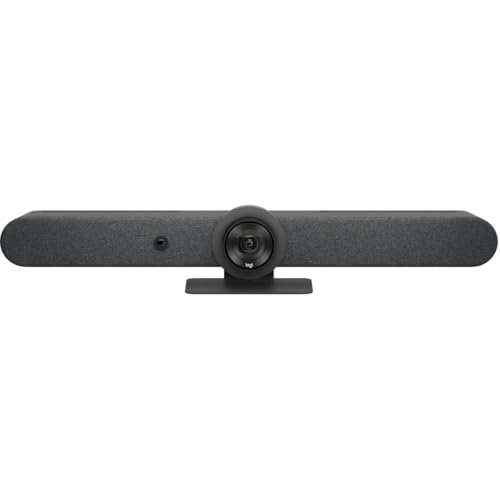
Buy the Best Conference Room Setup 2026: Logitech Rally Bar

Conference Displays for Microsoft, Cisco, and Samsung Users
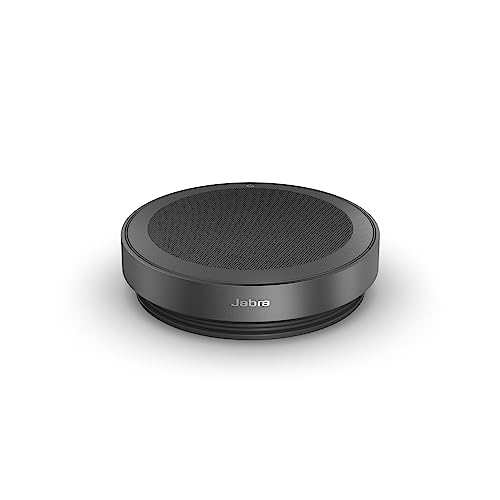
7 Conference Audio Systems That Make You Forget The Tech

2026 Office Product Shortlist: Ergonomic Picks

X-Chair X-Tilt Task Chair Review (2026): The Dynamic Variable
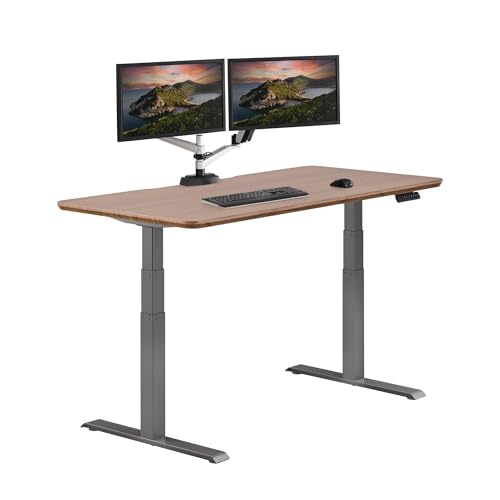
Vari Electric Standing Desk Review (2026): The Pre-Built Desk

UPLIFT V2 Standing Desk 48-Inch Review (2026): The Top Pick
