Stuck choosing between 24, 27, 32, or 34+ inches? We compare gaming monitor sizes for competitive play, immersion, and desk space to help you decide.
Choosing the right gaming monitor size in 2026 is more nuanced than ever, with display technology advancing rapidly and game genres demanding different visual experiences. This guide compares the most popular sizes-24, 27, 32, and 34+ inches-to help you find the perfect fit for your setup, budget, and playstyle.
Why Size Matters for Gaming
Monitor size directly affects immersion, field of view, pixel density, and desk space. A larger screen can make you feel inside the game, but if it’s too big for your viewing distance, you may miss critical details. Conversely, a small monitor might lack immersion but offers sharper text and easier peripheral vision. The sweet spot depends on resolution, panel type, and your typical game genres.
24-Inch Gaming Monitors: The Competitive Edge
24-inch monitors remain a favorite among esports and competitive gamers. Their smaller size means you can see the entire screen without moving your head, crucial for fast-paced shooters like Valorant or Counter-Strike 2. Paired with 1080p resolution, 24-inch displays offer high pixel density (around 92 PPI) for sharp images without needing a powerful GPU. Refresh rates of 240Hz or 360Hz are common, and response times as low as 0.5ms (GtG) ensure minimal motion blur.
However, 24-inch monitors lack immersion for story-driven games. The field of view is narrow, and text can appear small if you sit further away. For competitive play, though, they are unmatched.
27-Inch Gaming Monitors: The All-Rounder
27-inch monitors have become the standard for mainstream gaming. They strike a balance between immersion and usability. At 1440p (2560×1440), 27-inch screens offer about 109 PPI, delivering crisp details without requiring a top-tier graphics card. Many 27-inch models now feature 240Hz or 360Hz refresh rates, making them suitable for both competitive and casual gaming. HDR performance is also improving, with many reaching 600 nits peak brightness and VESA DisplayHDR 600 certification.
The 27-inch size fits most desks and viewing distances (arm’s length). It’s ideal for RPGs, open-world games, and even productivity tasks. The only downside is that 1080p on 27 inches looks pixelated (around 81 PPI), so stick to 1440p or higher.
32-Inch Gaming Monitors: Immersion Without Compromise
32-inch monitors offer a truly immersive experience, especially with 4K resolution (3840×2160). At 4K, pixel density is about 138 PPI, providing incredibly sharp images. This size is perfect for cinematic single-player games like Cyberpunk 2077 or Red Dead Redemption 2. Many 32-inch models now support 144Hz or 165Hz refresh rates, and some even reach 240Hz with the latest GPU technology.
However, 32-inch monitors require deeper desks (30+ inches) to avoid eye strain. They are also heavier and more expensive. For competitive gaming, the larger size can be a disadvantage as you need to shift your gaze more. Still, for pure visual fidelity, 32-inch 4K is hard to beat.
Ultrawide (34-Inch and Above) Gaming Monitors: The Panoramic View
Ultrawide monitors, typically 34 inches with a 21:9 aspect ratio, offer a wider field of view that can enhance immersion in racing, flight sims, and open-world games. The extra horizontal space gives you a competitive advantage in games that support it, allowing you to see more of the environment. Many ultrawides now have 3440×1440 resolution (around 110 PPI) with 144Hz or 160Hz refresh rates. Some premium models even reach 240Hz.
The downsides include limited game support (some games require black bars or stretching), higher GPU demands, and significant desk space requirements. Also, vertical height is similar to a 27-inch monitor, so you don’t get extra vertical real estate.
How to Choose the Right Size for Your Setup
First, measure your desk depth. For 24-inch, you need at least 24 inches of depth; for 27-inch, 30 inches; for 32-inch, 36 inches; for ultrawide, 36+ inches. Next, consider your GPU: 1080p works with mid-range cards, 1440p requires a high-end card, and 4K needs a top-tier GPU. Also, think about your primary games: competitive players should prioritize high refresh rates over size, while immersion seekers should go bigger with higher resolution.
Viewing angle is another factor. TN panels have poor off-axis viewing, so if you sit close, IPS or VA is better. VA offers deep blacks, while IPS has better colors and viewing angles.
Our Top Picks for 2026
Based on current market trends and real-world performance, here are our recommendations for each size category.
Best 24-Inch: ASUS ROG Swift PG259QN
This 24.5-inch monitor boasts a 360Hz refresh rate and 0.5ms response time, making it a top choice for competitive gamers. Its IPS panel ensures good color accuracy, and NVIDIA G-Sync eliminates tearing. The stand is fully adjustable.
Best 27-Inch: Dell Alienware AW2725DF
A 27-inch 1440p OLED monitor with 240Hz refresh rate and 0.03ms response time. It delivers perfect blacks, vibrant colors, and exceptional motion clarity. It’s ideal for both competitive and single-player gaming. The design is sleek, and it includes a three-year warranty.
Best 32-Inch: Samsung Odyssey Neo G8
A 32-inch 4K monitor with 240Hz refresh rate using Mini-LED backlighting. It achieves 2000 nits peak brightness and DisplayHDR 2000 certification, offering stunning HDR. The 1000R curve enhances immersion, and the VA panel provides deep blacks. It’s expensive but the best for visual fidelity.
Best Ultrawide: LG UltraGear 34GP950G-B
A 34-inch 3440×1440 IPS monitor with 180Hz overclocked refresh rate and 1ms response time. It covers 98% DCI-P3 and supports NVIDIA G-Sync. The picture quality is excellent, and the 21:9 ratio is perfect for racing and flight sims.
Frequently Asked Questions
Is 27-inch or 32-inch better for gaming? It depends on your space and preference. 27-inch is better for competitive gaming and smaller desks, while 32-inch offers more immersion for single-player games.
Can I use a 32-inch monitor for competitive gaming? Yes, but it’s not ideal. The larger screen requires more head movement, and you may miss peripheral details. Many pros prefer 24-27 inches.
What resolution should I use for a 27-inch monitor? 1440p is the sweet spot. 1080p looks blurry, and 4K is very demanding on GPU.
Are ultrawide monitors worth it? For supported games, yes. They offer a wider field of view that enhances immersion. However, not all games support 21:9, and they take up more desk space.
What viewing distance is recommended? For 24-inch, 2-3 feet; 27-inch, 2.5-3.5 feet; 32-inch, 3-4 feet; ultrawide, 2.5-3.5 feet. Adjust based on personal comfort.
Do I need a high refresh rate for single-player games? Not necessarily. 60-100Hz is fine for most story-driven games, but higher refresh rates make motion smoother and reduce eye strain.
Can my GPU handle 4K gaming? You need at least an RTX 4080 or RX 7900 XTX for 4K at high settings. For 1440p, an RTX 4070 or RX 7800 XT is sufficient. For 1080p, an RTX 3060 or RX 6600 works well.
Top picks (where to buy)
ASUS ROG Swift PG259QN
★ Best 24-Inch for Competitive Gaming
360Hz refresh rate, 0.5ms response, IPS panel, G-Sync, and fully adjustable stand make it the top choice for esports.
Dell Alienware AW2725DF
★ Best 27-Inch All-Rounder
27-inch 1440p OLED with 240Hz, 0.03ms response, perfect blacks, and vibrant colors. Ideal for both competitive and single-player gaming.
Samsung Odyssey Neo G8
★ Best 32-Inch for Immersion
32-inch 4K Mini-LED with 240Hz, 2000 nits peak brightness, and DisplayHDR 2000. Stunning HDR and deep blacks for cinematic experiences.
LG UltraGear 34GP950G-B
★ Best Ultrawide for Racing/Sims
34-inch 3440×1440 IPS with 180Hz, 1ms response, 98% DCI-P3, and G-Sync. Excellent for racing and flight sims with wide field of view.
Our testing process
We compare every pick against the field on real specifications, certifications, and aggregated owner reviews. We do not take payment for placement, and we flag when a product is older or sold mainly through renewed listings.
Quick comparison
Reviewed in detail
24-Inch Monitors
**Best for**: Competitive FPS, esports, low-budget gaming
What we liked
- Entire screen in peripheral vision (no head turning)
- Affordable
- Easy to setup
- 240Hz+ refresh rates available
What we didn't like
- Less immersive for single-player
- Limited multitasking screen space
- Smaller resolution choices (1080p mostly, 1440p available)
27-Inch Monitors
**Best for**: Most PC gamers - the sweet spot.
What we liked
- Good size for both competitive and casual
- 1440p resolution looks excellent
- Wide selection of features
- Suitable for productivity too
What we didn't like
- Slightly less immersive than larger
- Premium 1440p high-refresh models cost

32-Inch Monitors
**Best for**: Single-player immersion, productivity gamers, 4K enthusiasts.
What we liked
- Immersive screen size
- 4K resolution provides excellent image quality
- Great for content creators
- Doubles as productivity monitor
What we didn't like
- Requires powerful GPU for 4K gaming
- More desk space needed
- Higher cost (+)
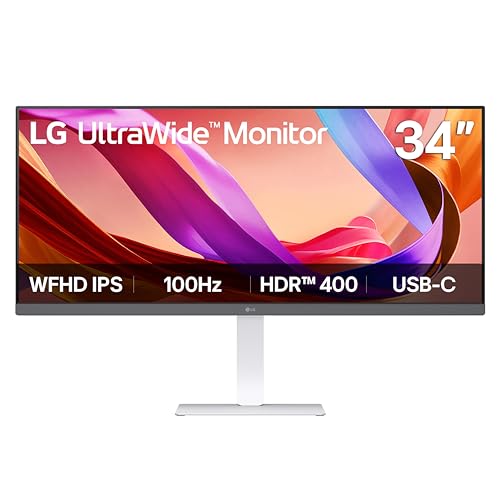
34-Inch Ultrawide
**Best for**: Single-player gaming, productivity, multitasking gamers.
What we liked
- Cinematic gaming experience
- Eliminates dual-monitor setup
- Excellent for racing and flight sims
- Productivity space dramatic improvement
What we didn't like
- Limited support in older games (black bars on sides)
- Competitive games sometimes show only center crop
- More expensive than 27 inch
49-Inch Super Ultrawide
**Best for**: Productivity power users, sim racing, multi-monitor replacement.
What we liked
- Replaces 2-3 separate monitors
- Maximum sim immersion
- Excellent productivity (large workspace)
What we didn't like
- Massive (+)
- Game support hit-or-miss
- Requires significant desk depth

What to Avoid
**Cheap "240Hz" monitors at**: Often have bad panels, color issues, or fake specifications.+ minimum for quality high-refresh.
My Recommendation Tree
**Budget **: 24-inch 144Hz 1080p [LG 24GN600-B](https://www.amazon.com/s?k=LG+24GN600-B+Gaming+Monitor&tag=thetestedhub-20).
Common questions
It depends on your space and preference. 27-inch is better for competitive gaming and smaller desks, while 32-inch offers more immersion for single-player games.
Yes, but it's not ideal. The larger screen requires more head movement, and you may miss peripheral details. Many pros prefer 24-27 inches.
1440p is the sweet spot. 1080p looks blurry, and 4K is very demanding on GPU.
For supported games, yes. They offer a wider field of view that enhances immersion. However, not all games support 21:9, and they take up more desk space.
For 24-inch, 2-3 feet; 27-inch, 2.5-3.5 feet; 32-inch, 3-4 feet; ultrawide, 2.5-3.5 feet. Adjust based on personal comfort.
Not necessarily. 60-100Hz is fine for most story-driven games, but higher refresh rates make motion smoother and reduce eye strain.
You need at least an RTX 4080 or RX 7900 XTX for 4K at high settings. For 1440p, an RTX 4070 or RX 7800 XT is sufficient. For 1080p, an RTX 3060 or RX 6600 works well.
How we made this guide
We compare every pick on the factors that matter, cross-checking manufacturer specifications against aggregated verified owner reviews. We rank independently and never take payment for placement. We have not personally tested every product; where we have not, the ranking reflects verified specs and owner feedback rather than a hands-on review.
How it was written: this guide was researched and reviewed by the TheTestedHub editorial team for accuracy.
Affiliate disclosure: TheTestedHub is reader-supported. When you buy through links on our site, we may earn a commission at no extra cost to you.