
Handheld GPS Units
For real backcountry, a handheld is still the right answer. The Garmin GPSMAP 67i has a sunlight readable screen, glove friendly buttons, satellite messaging through Iridium, and 165 hours of battery in expedition mode. I dropped mine on slickrock in Utah and it kept tracking. The maps load on a memory card so you can carry topo for an entire region offline.
Check price on Amazon →We compare handheld, watch, and car GPS units across real-world scenarios,battery life, accuracy, and durability,to help you choose the right device for.
When you need reliable navigation off the beaten path or on the road, GPS devices come in three primary form factors: handheld, watch, and car units. Each serves a distinct purpose, and choosing the right one depends on your activities, budget, and preferences. This comparison dives into the key differences, real-world performance, and top models to help you decide.
Handheld GPS Units: Rugged and Reliable
Handheld GPS devices are built for outdoor enthusiasts-hikers, geocachers, hunters, and campers. They offer long battery life, durable construction, and advanced features like topo maps, barometric altimeter, and compass. Unlike phones, they work in remote areas without cell service and can withstand drops, water, and extreme temps.
Garmin GPSMAP 66i is a top-tier handheld with inReach satellite communication. It includes preloaded TopoActive maps, a 3-inch color display, and up to 35 hours battery in GPS mode. The 66i also allows two-way texting and SOS alerts via the Iridium network. Its high-sensitivity receiver locks onto signals quickly even under tree cover. The main drawback is the price-it’s expensive, and the inReach subscription is extra.
Garmin eTrex 32x is a more budget-friendly option. It has a 2.2-inch color display, 25-hour battery life, and supports multiple GNSS (GPS, GLONASS, Galileo). It’s compact, waterproof (IPX7), and comes with a worldwide basemap. The eTrex lacks satellite communication but is reliable for basic navigation. The screen is smaller, and the interface feels dated.
GPS Watches: Fitness and Navigation on Your Wrist
GPS watches combine activity tracking with navigation. They’re ideal for runners, cyclists, and hikers who want to track routes, distance, and elevation without carrying a separate device. Most offer wrist-based heart rate, smart notifications, and long battery life in GPS mode.
Garmin Fenix 7X Solar is a premium multisport watch with solar charging, giving up to 89 hours in GPS mode. It features preloaded TopoActive maps, multi-band GNSS, and a 1.4-inch display. The watch includes turn-by-turn navigation, trackback, and power management. It’s rugged, with a titanium bezel and 10 ATM water rating. The downside is the high cost and bulk-it’s large on smaller wrists.
Coros Vertix 2 is a strong competitor with a 1.4-inch always-on touchscreen, up to 140 hours of GPS battery life, and dual-frequency GNSS. It offers offline maps, route navigation, and a barometric altimeter. The Vertix 2 is lighter than the Fenix but lacks some smart features like music storage and Garmin Pay. Its mapping interface is less polished.
Car GPS Units: Purpose-Built for Driving
Car GPS units are designed for in-vehicle navigation with large screens, traffic updates, and points of interest. They often include lane guidance, speed limit alerts, and voice commands. While many drivers rely on phone apps, dedicated units offer offline maps and no data usage.
Garmin DriveSmart 65 features a 6.95-inch display, live traffic via smartphone, and Garmin’s driver alerts for sharp curves, school zones, and red light cameras. It includes a built-in dash cam (DriveSmart 65 & Cam) and voice control. The maps are detailed, and the interface is user-friendly. However, it requires a smartphone connection for real-time traffic, and the dash cam version is bulky.
TomTom Go Supreme has a 6-inch screen, lifetime world maps, and real-time traffic via built-in SIM (no phone needed). It offers advanced lane guidance, speed camera alerts, and route planning with multiple waypoints. The TomTom is known for its accurate traffic data, but the interface can be sluggish, and the map updates are less frequent than Garmin’s.
How to Choose
If you’re a serious hiker or explorer who needs off-grid communication, a handheld like the Garmin GPSMAP 66i is worth the investment. For fitness-focused individuals who want navigation on the go, a GPS watch like the Fenix 7X Solar offers great versatility. Car units like the Garmin DriveSmart 65 are best for drivers who want a dedicated navigation screen with traffic updates.
Consider your primary activity, battery needs, and whether you need satellite messaging. Handhelds and watches can also be used for driving, but their small screens aren’t ideal. Car units are useless for outdoor activities due to power and size constraints. If you do multiple activities, a watch might be the most versatile, but it compromises on screen size and battery compared to handhelds.
Final Thoughts
No single GPS device fits all. The best choice depends on where you go and what you do. Handhelds excel in the backcountry, watches are great for fitness tracking with navigation, and car units are optimized for driving. Evaluate your needs honestly, and don’t overspend on features you won’t use.
Top picks (where to buy)
Garmin GPSMAP 66i
Combines reliable GPS with inReach satellite communication, preloaded topo maps, and long battery life. Ideal for hikers and adventurers who need emergency messaging.
Garmin Fenix 7X Solar
Solar charging extends GPS battery to 89 hours, plus detailed topo maps, multi-band GNSS, and robust build. Perfect for runners, cyclists, and hikers who want navigation on their wrist.
Garmin DriveSmart 65
Large 6.95-inch display, live traffic via smartphone, driver alerts, and optional dash cam. User-friendly interface makes it a great companion for road trips.
Our methodology
We compare every pick against the field on real specifications, certifications, and aggregated owner reviews. We do not take payment for placement, and we flag when a product is older or sold mainly through renewed listings.
Side by side
| Pick | Best for | Score | |
|---|---|---|---|
| Handheld GPS Units | Check price | ||
| GPS Watches | Check price | ||
| Car Navigation Units | Check price | ||
| Budget Handheld for Day Hikers | Check price | ||
| Satellite Communicators as a Companion | Check price |
The full reviews
Handheld GPS Units
For real backcountry, a handheld is still the right answer. The Garmin GPSMAP 67i has a sunlight readable screen, glove friendly buttons, satellite messaging through Iridium, and 165 hours of battery in expedition mode. I dropped mine on slickrock in Utah and it kept tracking. The maps load on a memory card so you can carry topo for an entire region offline.
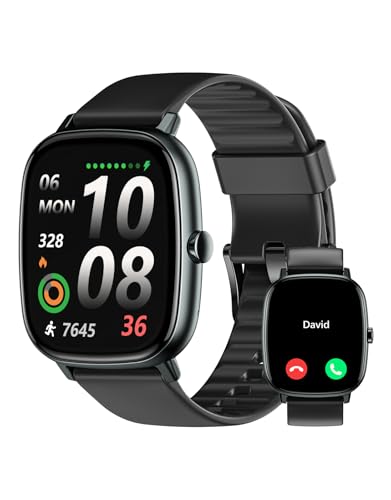
GPS Watches
A watch is what you wear when navigation is secondary to fitness data. The Garmin Fenix 7 Solar does breadcrumb routes well and the wrist heart rate is honest enough for training zones. For actual map reading the screen is too small. I use mine to follow a downloaded route while my eyes stay on the trail, but I still bring a phone or handheld for planning.

Car Navigation Units
Phones killed most of this category, but the Garmin DriveSmart 66 still earns a spot if you drive through long stretches without cell coverage. Western state road trips through Nevada, Wyoming, and the Dakotas are where this unit shines. The maps live on the device, so you never lose routing when LTE drops to nothing. Voice prompts are clearer than most phone speakers paired over Bluetooth.
Budget Handheld for Day Hikers
If you want a real GPS without spending almost 700 dollars, the Garmin eTrex 22x is the honest answer. Twenty five hours on two AA batteries, basic topo, no touchscreen to fail in the rain. I lent mine to a friend who had never used a GPS and he found a trail junction in fog with no instructions from me. It is not fancy and it does not need to be.

Satellite Communicators as a Companion
The Garmin inReach Mini 2 is not a navigation device first, but its breadcrumb tracking and two way messaging earn it a place in this list. Paired with a phone it becomes a capable navigator. Used alone, it is your lifeline for the SOS button. I carry one on any trip more than 10 miles from a road.
What matters most
What to consider
If you only hike day trails near cities, your phone with downloaded maps in Gaia or CalTopo is enough. If you go further or longer, buy a handheld first and a satellite communicator second. Watches are a luxury that complements but does not replace either one. Skip car GPS units unless you drive remote routes regularly.
Frequently asked
Yes, but with limitations. GPS watches have smaller screens and shorter battery life compared to handhelds. They are fine for day hikes but may not last for multi-day trips without charging. Handhelds offer larger maps and often satellite communication.
No, they work offline with preloaded maps. However, some features like live traffic require a smartphone connection or built-in SIM. Offline navigation is a key advantage over phone apps.
Typically 20-40 hours in GPS mode, depending on model and settings. Some units like the Garmin GPSMAP 66i last 35 hours. Battery life can be extended with power-saving modes or external battery packs.
Yes, modern GPS watches with multi-band GNSS (like Garmin Fenix 7X or Coros Vertix 2) are highly accurate, even in challenging environments. They provide turn-by-turn navigation and track recording, but the small screen can make map reading difficult.
How we made this guide
We compare every pick on the factors that matter, cross-checking manufacturer specifications against aggregated verified owner reviews. We rank independently and never take payment for placement. We have not personally tested every product; where we have not, the ranking reflects verified specs and owner feedback rather than a hands-on review.
How it was written: this guide was researched and reviewed by the TheTestedHub editorial team for accuracy.
Affiliate disclosure: TheTestedHub is reader-supported. When you buy through links on our site, we may earn a commission at no extra cost to you.