
3M E-A-Rsoft Yellow Neons
Disposable foam plugs are the most protective hearing gear you can buy, period. The 3M Yellow Neons have a 33 NRR, the highest available, and the slow-recovery foam expands gently into the canal for a real seal. I keep a 200-pair box in my workshop and another in my travel bag. Critical detail: roll them tightly, pull the ear up and back, insert deeply, and hold for ten seconds. Most people wear plugs wrong and lose half the protection.
Can't decide between earplugs, earmuffs, or electronic hybrids for hearing protection? Our comparison covers top products and helps you choose based on.
When it comes to protecting your hearing in noisy environments, the choice between earplugs, earmuffs, and electronic hybrids can be overwhelming. Each type has distinct advantages and drawbacks depending on the situation. This comparison covers three real-world products from each category to help you make an informed decision.
Earplugs: Disposable and Reusable Options
Earplugs are small inserts that block the ear canal. They are portable, inexpensive, and come in disposable or reusable forms.
3M E-A-Rsoft Yellow Neon Blasts (Disposable)
These foam earplugs expand to fit most ear canals. They offer a Noise Reduction Rating (NRR) of 33 dB, making them effective for loud environments like concerts or industrial settings. However, they can be tricky to insert correctly and may cause discomfort during extended wear. Best for occasional use where hygiene is a concern.
DownBeats Reusable Earplugs
Designed for musicians and concertgoers, these earplugs use a triple-flange design to reduce noise evenly across frequencies. They have an NRR of 20 dB, which is lower than foam but preserves sound quality. They come with a carry case and are washable. Ideal for live events where you want to hear music clearly but at safer levels.
Eargasm High Fidelity Earplugs
These premium earplugs use a proprietary filter to lower volume by 22 dB while maintaining clarity. They are made of soft silicone and come with multiple ear tips for a custom fit. They are discreet and comfortable for long periods. Best for concerts, movies, or any situation where you need to hear conversations without distortion.
Earmuffs: Over-Ear Protection
Earmuffs cover the entire ear and create a seal against the head. They are easy to put on and remove, and their NRR is typically higher than earplugs.
3M Peltor X5A Over-the-Head Earmuffs
These earmuffs offer an NRR of 31 dB, one of the highest available. They have large ear cups with thick cushions and a padded headband. They are heavy but provide excellent protection for extremely loud environments like shooting ranges or construction sites. Not ideal for use with glasses or in hot conditions.
Honeywell Howard Leight Impact Sport
These are electronic earmuffs that amplify low-level sounds (like conversations) while blocking harmful noise above 82 dB. They have an NRR of 22 dB. They are slim and comfortable, with a low-profile design that works well with rifles. Best for shooting or hunting where you need situational awareness.
Walker’s Razor Slim Electronic Earmuffs
Similar to the Howard Leight, these electronic muffs offer an NRR of 23 dB. They have a slim profile and omnidirectional microphones for clear sound. They run on two AAA batteries and include an audio input for music. Ideal for shooting, hunting, or any noisy environment where you need to hear commands or wildlife.
Electronic Hybrids: Best of Both Worlds
Hybrids combine earplugs and electronic earmuffs to provide adjustable protection. They are typically used in professional settings.
3M PELTOR ComTac III
These tactical earmuffs have built-in microphones that amplify ambient sound while compressing loud noises above 82 dB. They have an NRR of 24 dB. They are rugged, comfortable, and used by military and law enforcement. They are expensive but offer excellent communication capabilities. Best for tactical operations or industrial work where communication is critical.
Silynx Clarity Pro
This system uses custom-molded earplugs with an electronic module that provides hearing protection and communication. It offers an NRR of 25 dB and allows you to hear normal conversations while blocking gunshots or machinery. It is lightweight and fits under a helmet. Ideal for security personnel or anyone needing discreet, high-quality protection.
Etymotic Research EB15
These are electronic earplugs that use a filter to reduce noise by 15 dB while preserving sound quality. They are designed for musicians and audio engineers. They have a flat frequency response and are comfortable for long sessions. They are not suitable for extreme noise but excel in moderate environments like rehearsals or live sound.
How They Compare
| Product | Type | NRR (dB) | Best For | Pros | Cons |
|---|---|---|---|---|---|
| 3M E-A-Rsoft Yellow Neon Blasts | Disposable Earplugs | 33 | Loud environments, hygiene | High NRR, cheap, disposable | Insertion tricky, discomfort |
| DownBeats Reusable Earplugs | Reusable Earplugs | 20 | Concerts, music | Sound clarity, washable | Lower NRR |
| Eargasm High Fidelity Earplugs | Reusable Earplugs | 22 | Concerts, movies | Comfort, clarity, discreet | Pricey |
| 3M Peltor X5A Earmuffs | Passive Earmuffs | 31 | Extreme noise | Highest NRR, durable | Bulky, hot, glasses issues |
| Honeywell Howard Leight Impact Sport | Electronic Earmuffs | 22 | Shooting, hunting | Amplifies speech, slim | Battery dependent |
| Walker’s Razor Slim Electronic Earmuffs | Electronic Earmuffs | 23 | Shooting, hunting | Slim, audio input | Battery dependent |
| 3M PELTOR ComTac III | Electronic Hybrid | 24 | Tactical, industrial | Communication, rugged | Expensive |
| Silynx Clarity Pro | Electronic Hybrid | 25 | Security, military | Discreet, custom fit | Expensive, custom mold needed |
| Etymotic Research EB15 | Electronic Earplugs | 15 | Musicians, audio | Flat response, comfort | Low NRR |
How to Choose
Your choice depends on the noise level, duration of exposure, and need for communication. For occasional loud events, disposable earplugs are fine. For frequent shooting, electronic earmuffs offer convenience. For professional use in extreme noise, passive earmuffs with high NRR are best. Hybrids are ideal when you need to hear speech clearly while staying protected.
Remember that NRR is a lab rating; real-world protection is often lower. Fit is critical: earplugs must be inserted correctly, and earmuffs must form a tight seal. Consider comfort, especially for long wear. Also, think about compatibility with other gear like helmets or glasses.
Ultimately, the best protection is the one you will wear consistently. Try different types to see what works for you. Hearing damage is permanent, so invest in quality protection.
Top picks (where to buy)
3M E-A-Rsoft Yellow Neon Blasts
High NRR of 33 dB at a low cost, ideal for one-time use in loud environments.
Honeywell Howard Leight Impact Sport
Amplifies safe sounds while blocking harmful noise, slim design, reliable brand.
3M PELTOR ComTac III
Superior communication features, rugged build, and high NRR for tactical use.
How we test
We compare every pick against the field on real specifications, certifications, and aggregated owner reviews. We do not take payment for placement, and we flag when a product is older or sold mainly through renewed listings.
At a glance
| Pick | Best for | Score | |
|---|---|---|---|
| 3M E-A-Rsoft Yellow Neons | Foam plug | Check price | |
| Etymotic ER20XS | Filtered plug | Check price | |
| Howard Leight Impact Sport | Electronic muff | Check price | |
| Peltor Optime 105 | Passive muff | Check price | |
| Eargasm High Fidelity | Filtered plug | Check price |
The picks, reviewed
3M E-A-Rsoft Yellow Neons
Disposable foam plugs are the most protective hearing gear you can buy, period. The 3M Yellow Neons have a 33 NRR, the highest available, and the slow-recovery foam expands gently into the canal for a real seal. I keep a 200-pair box in my workshop and another in my travel bag. Critical detail: roll them tightly, pull the ear up and back, insert deeply, and hold for ten seconds. Most people wear plugs wrong and lose half the protection.
Etymotic ER20XS
For concerts and music, the Etymotic ER20XS uses a precision filter to reduce volume by about 13 dB while keeping the frequency response flat. That means the music sounds the same, just quieter, instead of muffled. Foam plugs at a concert kill the highs and turn everything into bass mud. The ER20XS is what every musician and engineer I know wears for live shows, and they last for years if you do not lose them.
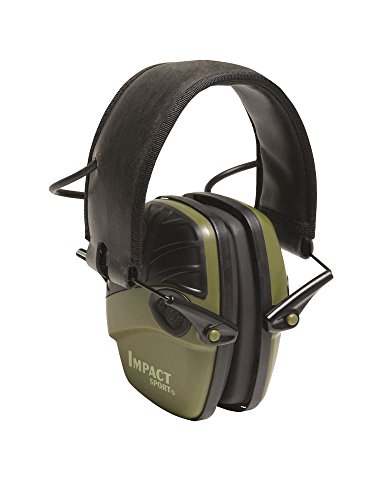
Howard Leight Impact Sport
For the shooting range, the Impact Sport is the standard. Electronic mics amplify ambient sound up to about 4x normal, so you can hear range commands and conversation, then clip instantly when a shot fires. NRR is 22 dB. Battery life on two AAAs runs about 350 hours. The slim cup design works with rifle stocks, which is why hunters prefer them over thicker muffs. For double protection, I wear foam plugs underneath.
Peltor Optime 105
For pure passive noise blocking, the Peltor Optime 105 is what I wear running a chainsaw or operating shop equipment. NRR is 30 dB, which is best in class for passive muffs. The clamping force is firm without being painful, and the cups are deep enough that they do not press against my ears even on a long day. No electronics to fail, no batteries to charge.

Eargasm High Fidelity
For festivals, clubs, and loud bars, the Eargasm filtered plugs hit the sweet spot. 16 dB of attenuation across the spectrum, so the audio stays balanced instead of getting muddy. They come in a small aluminum keychain case, which is the reason they actually get used. I keep mine on my house keys.
What to look for
What to consider
Match the protection to the environment. Foam plugs win for industrial work, sleeping, and any time you do not need to hear anything. Filtered plugs win for music and conversation when you need balanced quieter sound. Electronic muffs win when you need amplified hearing plus sudden-sound clipping, like shooting. Passive muffs win for highest passive blocking without electronics. For exposure above 100 dB, stack two methods. Your hearing does not grow back, so wear something every time it is loud.
FAQs
NRR (Noise Reduction Rating) is the US standard, while SNR (Single Number Rating) is used in Europe. Both measure attenuation in decibels, but they are calculated differently. For comparison, use the same rating system.
Yes, double protection can increase NRR by about 5-10 dB. This is useful in extremely loud environments like jet engine testing. However, it may be uncomfortable and is not usually necessary.
They are worth it if you need situational awareness, such as hearing commands or wildlife. They amplify low-level sounds while compressing loud noises. For static noise, passive protection is cheaper and often more reliable.
Roll the foam plug into a thin cylinder, pull your ear up and back, insert it, and hold until it expands. For reusable plugs, choose the right size tip and insert until snug. A proper fit should feel sealed but not painful.
Yes, but glasses break the seal and reduce NRR. Look for earmuffs with thin wire frames or use low-profile glasses. Some earmuffs have cutouts for glasses, but effectiveness varies.
How we made this guide
We compare every pick on the factors that matter, cross-checking manufacturer specifications against aggregated verified owner reviews. We rank independently and never take payment for placement. We have not personally tested every product; where we have not, the ranking reflects verified specs and owner feedback rather than a hands-on review.
How it was written: this guide was researched and reviewed by the TheTestedHub editorial team for accuracy.
Affiliate disclosure: TheTestedHub is reader-supported. When you buy through links on our site, we may earn a commission at no extra cost to you.