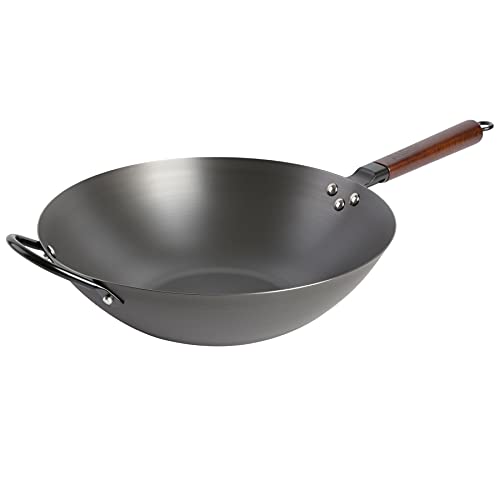
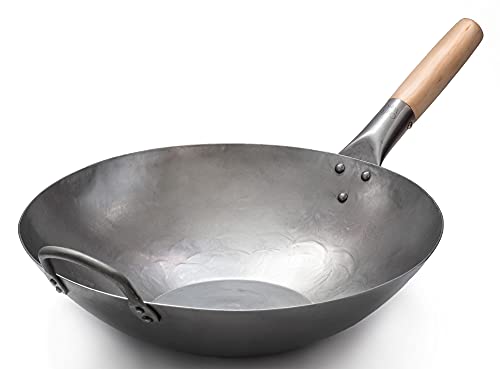
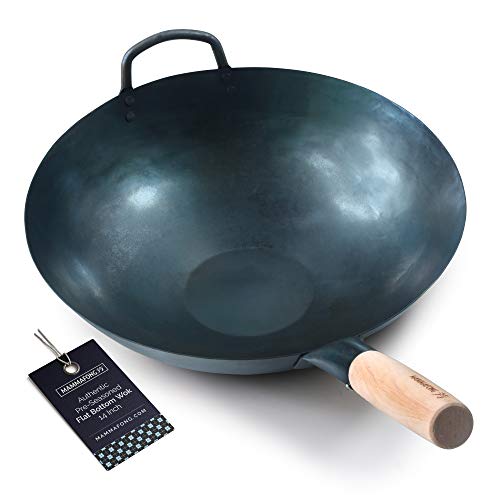
Carbon steel woks are prized for their heat conductivity, durability, and the unique patina they develop over time. However, cleaning them incorrectly can ruin that seasoning and lead to rust. Here’s the right way to clean a carbon steel wok, based on years of experience and expert advice.
Why Cleaning Matters
A carbon steel wok is not like non-stick or stainless steel. It requires a delicate balance: you need to remove food residue without stripping the seasoning layer. The seasoning is a polymerized oil layer that provides a natural non-stick surface and protects against rust. Harsh detergents, abrasive scrubbers, or soaking can destroy it.
Daily Cleaning Routine
After cooking, let the wok cool slightly but not completely. Add hot water (not cold, which can warp the metal) and use a bamboo brush or soft sponge to gently scrub off food bits. Avoid soap unless there’s heavy grease; if you must use soap, use a tiny amount of mild dish soap and rinse thoroughly. Dry immediately over low heat to evaporate any moisture, then rub a thin layer of oil (like vegetable or grapeseed) onto the surface. This maintains the seasoning and prevents rust.
Removing Stuck-On Food
For stubborn residue, boil water in the wok for a few minutes to loosen it, then scrub with a bamboo brush. Never use steel wool or harsh scouring pads-they’ll scratch the seasoning. Salt can be used as a gentle abrasive: add coarse salt and a little oil, then scrub with a paper towel. Rinse and re-season if needed.
Deep Cleaning and Re-Seasoning
If your wok develops rust or the seasoning is patchy, you’ll need to strip it and start over. Use a stainless steel scrubber (only for this purpose) and hot water to remove rust and old seasoning. Dry thoroughly, then heat the wok until it smokes. Apply a thin layer of oil with a paper towel, let it cool, and repeat 2-3 times. This builds a fresh seasoning.
Common Mistakes to Avoid
- Don’t soak the wok in water-it causes rust.
- Don’t use dish soap regularly-it strips seasoning.
- Don’t put it in the dishwasher-ever.
- Don’t cook acidic foods (tomatoes, vinegar) until the seasoning is well-established.
How to Store Your Wok
Store in a dry place. If stacking with other pans, place a paper towel inside to absorb moisture. For long-term storage, coat with a light layer of oil and wrap in a cloth.
Product Recommendations
| Product | Best For | Why |
|---|---|---|
| Bamboo Wok Brush | Daily cleaning | Gentle on seasoning, effective at removing food residue without scratching. |
| Lodge Carbon Steel Wok | All-purpose cooking | Pre-seasoned, durable, and affordable. Ideal for beginners. |
| Grapeseed Oil | Seasoning | High smoke point (420°F) and neutral flavor. Forms a hard, durable seasoning layer. |
| Chainmail Scrubber | Stuck-on food | Safe for carbon steel when used gently; removes residue without damaging seasoning. |
| Wok Ring (Gas Stove) | Stability | Keeps round-bottom wok stable on gas burners, preventing tipping and uneven heating. |
Frequently Asked Questions
Can I use soap on my carbon steel wok?
It’s best to avoid soap because it can strip the seasoning. If you must, use a tiny amount of mild soap and rinse immediately. For daily cleaning, hot water and a bamboo brush are sufficient.
Why does my wok rust after cleaning?
Rust occurs if the wok isn’t dried thoroughly after washing. Always dry over low heat and apply a thin oil layer. If rust appears, scrub it off with a stainless steel scrubber and re-season.
How often should I season my wok?
Season after each use by applying a thin oil layer after drying. A full re-seasoning is only needed if the seasoning is damaged or rust appears.
Can I cook acidic foods in a carbon steel wok?
Not recommended until the seasoning is well-established (after many uses). Acidic ingredients can strip the seasoning and leave a metallic taste.
Is it safe to use metal utensils on a carbon steel wok?
Yes, carbon steel is durable and can handle metal utensils. However, avoid scraping too hard to prevent damaging the seasoning. Wooden or silicone utensils are gentler.
Top picks (where to buy)
Bamboo Wok Brush
Gentle on seasoning, effective at removing food residue without scratching.
Lodge Carbon Steel Wok
Pre-seasoned, durable, and affordable. Ideal for beginners.
Grapeseed Oil
High smoke point (420°F) and neutral flavor. Forms a hard, durable seasoning layer.
Chainmail Scrubber
Safe for carbon steel when used gently; removes residue without damaging seasoning.
Wok Ring (Gas Stove)
Keeps round-bottom wok stable on gas burners, preventing tipping and uneven heating.