Why Seasoning a Carbon Steel Wok Matters
Carbon steel woks are prized for their heat retention and responsiveness, but they come from the factory with a protective coating that must be removed before use. Seasoning creates a natural, non-stick patina that improves with each use, prevents rust, and imparts a subtle flavor to your cooking. Without proper seasoning, your wok will be sticky, prone to rust, and difficult to clean.
Step 1: Remove the Factory Coating
Most new carbon steel woks are coated with a thin layer of oil or wax to prevent rust during shipping. This must be removed before seasoning. Scrub the wok thoroughly with hot water, dish soap, and a non-scratch sponge or brush. Rinse well and dry completely with a towel. Some woks may have a lacquer coating that requires more aggressive scrubbing or even a brief burn-off over high heat.
Step 2: Heat the Wok
Place the dry wok on a burner over medium-high to high heat. Heat it until it starts to smoke and change color, typically 5-10 minutes. This opens the pores of the metal and burns off any remaining residues. Rotate the wok to ensure even heating. The wok will turn a blueish or bronze hue, which is normal.
Step 3: Apply a Thin Layer of Oil
Using a paper towel or cloth, apply a very thin layer of high-smoke-point oil (like grapeseed, flaxseed, or avocado oil) to the entire interior surface of the hot wok. Use tongs to hold the cloth, and rub the oil in a circular motion. The wok should look glossy but not greasy. If you see pools of oil, wipe them off. Too much oil will create a sticky, uneven seasoning.
Step 4: Heat and Cool
Return the wok to the burner over medium-high heat. Heat until the oil starts to smoke and polymerize, about 5 minutes. You’ll see the surface darken and become matte. Remove from heat and let cool completely. Repeat the oiling and heating process 3-4 times for a strong initial seasoning. Each layer builds on the last, creating a durable non-stick surface.
Step 5: Cool and Wipe
After the final heating, let the wok cool naturally. Once cool, wipe it with a dry paper towel to remove any excess oil residue. Your wok should have a dark, smooth, slightly glossy patina. It’s now ready to use.
Maintenance Tips
After each use, clean your wok with hot water and a soft sponge-no soap, as it can strip the seasoning. Dry thoroughly over low heat, then rub a tiny amount of oil onto the surface to protect it. Over time, the seasoning will deepen and become more non-stick. If food sticks or rust appears, simply scrub the area and re-season.
Comparing Oils for Seasoning
| Oil | Smoke Point | Best For | Pros | Cons |
|---|---|---|---|---|
| Flaxseed Oil | 225°F (107°C) | Initial seasoning | Creates hard, durable layer | Can flake if too thick |
| Grapeseed Oil | 420°F (216°C) | Daily maintenance | Neutral flavor, affordable | Less durable than flaxseed |
| Avocado Oil | 520°F (271°C) | High-heat cooking | Very high smoke point | Expensive, subtle flavor |
| Canola Oil | 400°F (204°C) | Budget-friendly | Cheap and available | Less durable, may get sticky |
| Rice Bran Oil | 490°F (254°C) | Versatile | High smoke point, neutral | Harder to find |
Real Product Recommendations
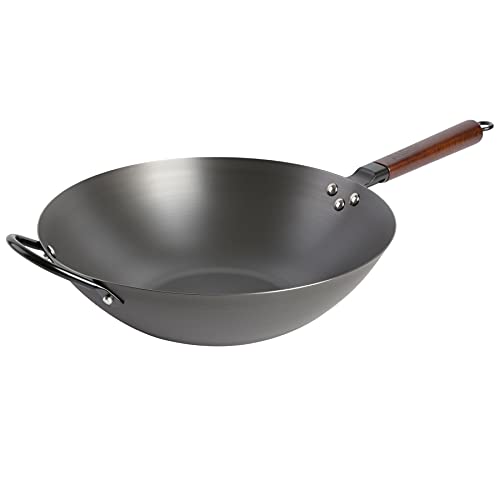
For best results, use high-quality oils and woks. Here are five products that work well for seasoning and cooking.
1. The Wok Shop 14-Inch Carbon Steel Wok
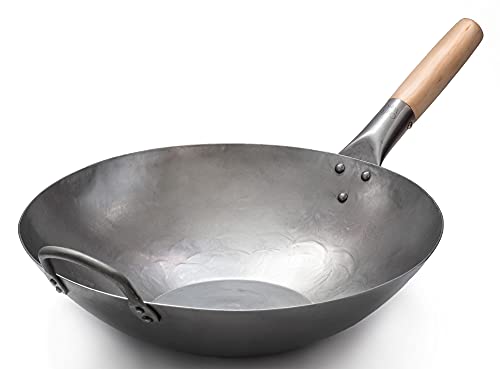
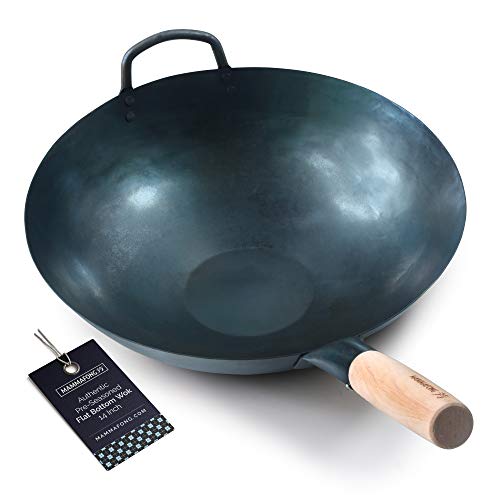
This traditional wok has a flat bottom for stability on Western stoves. It’s hand-hammered and comes with a wooden handle. The bare carbon steel seasons quickly and evenly. Ideal for stir-frying and deep-frying.
2. Joyce Chen 14-Inch Carbon Steel Wok
Affordable and lightweight, this wok features a long wooden handle and a helper handle. It’s pre-seasoned but still requires initial seasoning. The thin metal heats fast, perfect for high-heat cooking.
3. Craft Wok 14-Inch Hand-Hammered Wok
Made from 1.6mm thick carbon steel, this wok is sturdy and retains heat well. The hand-hammered surface helps food release easily. It comes with a flat bottom and a metal spatula.
4. Yosukata 13.5-Inch Carbon Steel Wok
This wok is pre-seasoned with a non-stick coating that’s easy to maintain. It has a wooden handle and a helper handle. The rounded bottom is ideal for gas stoves but may need a wok ring on electric.
5. Oxenforge 14-Inch Carbon Steel Wok
Hand-forged and heavy-duty, this wok is designed for professional use. It has a flat bottom and a long wooden handle. The thick metal requires longer heating but provides excellent heat distribution.
Frequently Asked Questions
Top picks (where to buy)
Flaxseed Oil
Creates a hard, durable non-stick layer that bonds well with carbon steel.
Grapeseed Oil
Neutral flavor, affordable, and works well for regular touch-ups.
Avocado Oil
Very high smoke point prevents burning during seasoning and cooking.