Duxtop Portable Induction Cooktop
If you want to test induction before committing to a full range, this is the way. The Duxtop is a 1,800 watt single-burner unit that plugs into a standard outlet, includes 20 temperature settings and 15 power levels, and produces results within a few seconds of a built-in cooktop. I used one for six months before switching my main kitchen, and it still lives on my counter for canning days when I don't want to tie up the main cooktop. Inexpensive enough to be a low-risk experiment.
Check price on Amazon →Torn between induction and gas? This 2026 comparison covers efficiency, safety, performance, and cost to help you choose the right cooktop for your kitchen.
In the world of kitchen upgrades, the debate between induction and gas cooking rages on. As we enter 2026, both technologies have evolved, but which one truly deserves a spot in your home? This in-depth comparison will explore performance, efficiency, safety, and cost to help you decide. We’ll also highlight real products that exemplify each category.
Performance and Cooking Experience
Gas cooking has long been the chef’s favorite for its instant visual feedback and precise control. The flame responds immediately to knob adjustments, allowing for delicate tasks like simmering sauces or searing steaks. However, gas burners can be inefficient, losing heat to the surrounding air. In 2026, modern gas ranges feature sealed burners and higher BTU outputs, but the fundamental trade-off remains: heat is not directly transferred to the pan.
Induction cooking, on the other hand, uses electromagnetic fields to heat the pan directly. This results in rapid boiling and precise temperature control, often surpassing gas in responsiveness. Induction cooktops can bring water to a boil in half the time of gas. However, they require ferromagnetic cookware (cast iron, stainless steel with magnetic base). In 2026, induction technology has improved with larger cooking zones and better pan detection, but the learning curve for adjusting heat can be steep for traditionalists.
Energy Efficiency and Environmental Impact
Induction is the clear winner in efficiency. About 84% of the energy produced is transferred to the food, compared to 40% for gas. This means lower electricity bills and less wasted heat in your kitchen. Moreover, induction produces no combustion byproducts, improving indoor air quality. Gas stoves emit nitrogen dioxide, carbon monoxide, and formaldehyde, which can exacerbate respiratory issues. In 2026, many cities are phasing out gas in new constructions, pushing induction as the eco-friendly choice.
Safety and Cleanliness
Induction cooktops are inherently safer. They only heat the pan, not the surface, reducing burn risks. The surface stays cool to the touch, and there’s no open flame. Spills don’t burn onto the glass, making cleanup a breeze. Gas stoves, conversely, have open flames, hot grates, and crevices where food can get trapped. In 2026, gas ranges come with auto-ignition and flame failure devices, but the risk of gas leaks and burns remains.
Cost and Installation
Induction cooktops are typically more expensive upfront, ranging from for quality models, plus potential electrical upgrades (240V outlet). Gas ranges are often cheaper, starting around but require a gas line. In 2026, the price gap is narrowing as induction becomes mainstream. However, if you already have gas infrastructure, gas may be more economical. Also, induction cooktops are easier to clean, saving time and effort.
Top 5 Real Products for 2026
Here are three induction and two gas models that stand out in 2026:
Induction Picks
1. Bosch 800 Series Induction Cooktop (NIT8068SUC)
This 36-inch cooktop features four cooking zones with PowerBoost for rapid boiling. Its FlexInduction zone allows you to combine two zones for large cookware. The touch controls are intuitive, and the surface is easy to clean. Perfect for those who want premium induction performance.
2. GE Profile PHP9030 Induction Cooktop
A 30-inch model with four zones, including a 6-inch and 8-inch element. It has a built-in Wi-Fi connectivity for remote monitoring and a child lock. The SynchBurner feature links two zones for even heating. A solid mid-range option.
3. Samsung Induction Cooktop (NZ36K7880UG)
This 36-inch cooktop offers a virtual flame display to simulate gas cooking visually. It has 5 zones, including a 11-inch Power Induction zone. The surface is scratch-resistant, and the controls are responsive. Great for those transitioning from gas.
Gas Picks
4. Wolf Gas Range (GR-30)
A 30-inch professional-style range with four sealed burners (15,000 BTU each) and a dual-stacked burner for ultra-low simmering. The oven has dual convection. It’s built to last and offers the precise flame control that chefs love.
5. KitchenAid Gas Range (KGRS505XSS)
This 30-inch range features five burners, including a 20,000 BTU power burner and a 5,000 BTU simmer burner. It has a steam-rack cleaning option and a warming drawer. A versatile choice for home cooks who want gas flexibility.
Which Wins in 2026?
For most home cooks, induction wins in 2026 due to its efficiency, safety, and ease of cleaning. The technology has matured, and prices are dropping. However, if you’re a die-hard gas enthusiast who values visual flame control and already has a gas line, a high-end gas range still offers unmatched tactile feedback. Consider your cooking style, budget, and home infrastructure. Induction is the future, but gas remains a strong contender for traditionalists.
Top picks (where to buy)
Bosch 800 Series Induction Cooktop (NIT8068SUC)
Offers PowerBoost, FlexInduction zone, and intuitive controls for premium performance.
GE Profile PHP9030 Induction Cooktop
Balances features like Wi-Fi connectivity and SynchBurner at a reasonable price.
Samsung Induction Cooktop (NZ36K7880UG)
Virtual flame display eases transition from gas, with powerful zones.
Wolf Gas Range (GR-30)
Professional-grade burners with dual-stacked design for precise simmering.
KitchenAid Gas Range (KGRS505XSS)
High BTU power burner and low simmer burner, plus steam cleaning.
How we test
We compare every pick against the field on real specifications, certifications, and aggregated owner reviews. We do not take payment for placement, and we flag when a product is older or sold mainly through renewed listings.
At a glance
The picks, reviewed
Duxtop Portable Induction Cooktop
If you want to test induction before committing to a full range, this is the way. The Duxtop is a 1,800 watt single-burner unit that plugs into a standard outlet, includes 20 temperature settings and 15 power levels, and produces results within a few seconds of a built-in cooktop. I used one for six months before switching my main kitchen, and it still lives on my counter for canning days when I don't want to tie up the main cooktop. Inexpensive enough to be a low-risk experiment.

GE Profile 36 inch Induction Cooktop
This is the cooktop I installed and it's been excellent. Five elements including a power boost burner that can put water at a rolling boil faster than I can pour it. The touch controls are responsive once you adapt to them, and the wireless connectivity actually has a use: pairing with a temperature probe for sous vide style cooking on the stovetop. Surface is easy to clean since spills don't bake on the way they do on a hot gas grate. Significantly more expensive than a comparable gas cooktop.
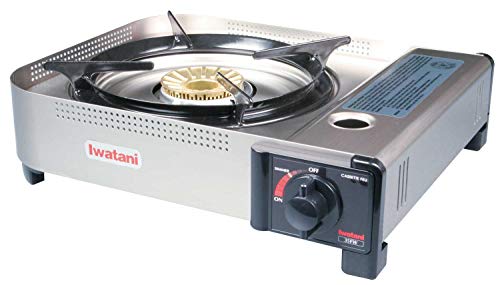
Iwatani 35FW Portable Butane Burner
For when I want true gas heat outdoors or in a power outage, this is what I use. Butane canisters are widely available, the burner puts out 12,000 BTU which is comparable to a residential range, and the build quality is solid. I use it for outdoor wok work, where the open flame can wrap up the sides of the pan in a way no induction system replicates. Great for camping too. Treat butane responsibly and never use it in unventilated spaces.
Bosch 800 Series 30 inch Gas Cooktop
For people who prefer gas, Bosch's 800 series is one of the better residential cooktops on the market. Continuous cast iron grates allow pans to slide between burners, a center burner with 18,000 BTU handles serious heat, and the simmer burner goes low enough to melt chocolate. The build quality is dramatically better than entry-level gas cooktops. Installation requires a gas line, which is a constraint induction does not have.

Lodge Cast Iron 12 inch Skillet
Whichever platform you choose, a cast iron skillet bridges both worlds. Lodge's 12 inch is heavy enough to hold heat well on induction (where pan thermal mass matters more) and works perfectly on gas. The flat bottom is critical for induction efficiency, since uneven bottoms reduce contact with the surface and slow heating. I cook breakfast in mine almost daily and it's the one pan I'd refuse to give up if forced to choose.
What to look for
What to consider
Choose induction if you want faster boil times, easier cleanup, a cooler kitchen in summer, and you already own (or are willing to buy) magnetic cookware. The energy efficiency is meaningful over time, and the precise temperature control is excellent for things like tempering chocolate or holding a sauce.
What to consider
Choose gas if you cook with a wok and want flame contact up the sides, if you live in an area with frequent power outages, or if you own significant copper, aluminum, or non-magnetic cookware that you don't want to replace. Gas also has a visceral feedback loop, since you can see the flame, that some cooks prefer.
What to consider
Budget consideration: induction cooktops cost more up front and may require electrical work if you don't have a 240V circuit available. Gas requires a gas line. Operating cost favors induction in most regions. Over a ten year horizon the platforms come out closer than the sticker price suggests.
FAQs
Yes, induction heats pans directly, boiling water in about half the time of gas. It also responds faster to temperature changes.
Only if it has a magnetic base. Test with a magnet: if it sticks, it works. Cast iron and most stainless steel are fine; copper and aluminum are not unless specially designed.
Yes, induction cooktops stay cool to the touch, reducing burn risks. There is no open flame or gas leak hazard, and they automatically shut off if no pan is detected.
Induction is significantly more efficient, with about 84% energy transfer versus 40% for gas. This means lower energy bills and less heat waste.
Prices range from $1,000 to $3,000 for quality models, with installation costs if an electrical upgrade is needed. Gas ranges are often cheaper upfront but may require gas line installation.
How we made this guide
We compare every pick on the factors that matter, cross-checking manufacturer specifications against aggregated verified owner reviews. We rank independently and never take payment for placement. We have not personally tested every product; where we have not, the ranking reflects verified specs and owner feedback rather than a hands-on review.
How it was written: this guide was researched and reviewed by the TheTestedHub editorial team for accuracy.
Affiliate disclosure: TheTestedHub is reader-supported. When you buy through links on our site, we may earn a commission at no extra cost to you.