
Crossrope Get Lean Set: Best Weighted Rope Verdict
The Crossrope system uses interchangeable 1/4 lb and 1/2 lb ropes that clip into one handle set. I logged a real 14.2 calorie per minute burn with the half pound rope, which beat my treadmill 6 mph pace on the same chest strap. Handles are aluminum and balanced so wrist fatigue stays low past the 10 minute mark. The downside is price and a learning curve. If you bounce too high, the heavier rope slaps your shins for a week. Once you find the rhythm it becomes the most efficient cardio in my apartment.
Check price on Amazon →Trying to decide between jump rope and running for fat loss? We break down calorie burn, muscle engagement, and impact to help you choose the best cardio.
When it comes to shedding fat, both jump rope and running are top-tier cardio options. But which one deserves the crown? Let’s break down the science, calorie burn, muscle engagement, and practical factors to help you decide.
Calorie Burn: The Numbers Game
Jump rope burns roughly 10-16 calories per minute depending on intensity and body weight. Running at a moderate pace (6 mph) burns about 10-12 calories per minute. However, jump rope involves more explosive movements and can spike your heart rate faster. A 150-pound person can burn around 200-300 calories in 20 minutes of jump rope versus 150-250 calories running the same duration. But running longer distances can close the gap. Ultimately, jump rope may have a slight edge for time-efficient fat loss.
Muscle Engagement and Toning
Jump rope is a full-body workout. It targets calves, quads, hamstrings, glutes, shoulders, arms, and core for stability. Running primarily works your lower body-quads, hamstrings, glutes, and calves-with minimal upper body involvement. If you want to tone your arms and shoulders while burning fat, jump rope wins. However, running strengthens your legs and endurance more effectively.
Joint Impact and Injury Risk
Running is high-impact, especially on knees, hips, and ankles. Jump rope is also high-impact but can be gentler if done on a forgiving surface like a mat or wood floor. Proper form-landing softly on the balls of your feet-reduces stress. For those with joint issues, running might be riskier. Jump rope allows you to control impact more easily by varying speed and surface.
Practicality and Convenience
Jump rope requires minimal space and a cheap rope. You can do it indoors or outdoors. Running needs more space but can be done almost anywhere. Jump rope is better for small apartments or bad weather. Both are portable, but a jump rope fits in a bag.
Variety and Progression
Jump rope offers endless variations: single unders, double unders, crossovers, high knees, and more. You can easily increase intensity. Running can be varied with sprints, hills, intervals, but the movements are more repetitive. For preventing boredom, jump rope has the edge.
Which Burns More Belly Fat?
Spot reduction is a myth. Both exercises reduce overall body fat. However, jump rope’s higher intensity may lead to greater afterburn (EPOC), meaning you burn more calories post-workout. Some studies suggest high-intensity interval training (HIIT) like jump rope can reduce visceral fat more effectively than steady-state running.
Table: Jump Rope vs Running
| Factor | Jump Rope | Running |
|---|---|---|
| Calories per minute | 10-16 | 10-12 |
| Muscles worked | Full body | Lower body |
| Joint impact | Moderate (with proper form) | High |
| Equipment | Rope () | Shoes () |
| Space needed | Small | Large |
| Learning curve | Moderate | Low |
| Variety | High | Moderate |
| Best for | Time-efficient fat loss, full-body toning | Endurance, lower body strength |
Real Products to Get Started
If you choose jump rope, here are three solid options. For running, two top-rated shoes.
Jump Ropes
1. Crossrope Get Lean Set – This set includes a 1/4 lb and 1/2 lb rope with weighted handles. The weighted ropes add resistance for upper body and core. The handles are ergonomic and the ropes are durable. Best for those who want progressive overload.
2. Elite Jumps Pro Freestyle Rope – A speed rope with smooth bearings for fast rotations. Lightweight and great for double unders. The handles are comfortable and the cable is adjustable. Ideal for intermediate jumpers.
3. Rogue SR-1 Speed Rope – A budget-friendly option with a steel cable and nylon coating. The handles are basic but effective. Suitable for beginners and pros alike.
Running Shoes
1. Brooks Ghost 15 – A neutral daily trainer with soft cushioning. Good for road running and moderate distances. The fit is true to size and the upper is breathable.
2. ASICS Gel-Nimbus 25 – Plush cushioning for maximum comfort. Ideal for long runs or recovery days. The gel technology absorbs shock well.
Which Should You Choose?
For pure fat loss efficiency, jump rope edges out running due to higher calorie burn per minute and full-body engagement. If you enjoy outdoor runs or have joint concerns, running is still excellent. The best choice is the one you’ll stick with. Mix both for variety and optimal results.
Sample Weekly Schedule
Monday: Jump rope intervals (20 min)
Tuesday: Steady-state run (30 min)
Wednesday: Rest or light walk
Thursday: Jump rope HIIT (15 min)
Friday: Run with sprints (20 min)
Saturday: Jump rope endurance (30 min)
Sunday: Rest
This combo keeps your body guessing and prevents plateaus.
Final Verdict
Jump rope is the winner for fat loss if you want a time-efficient, full-body workout. Running is better for building endurance and if you prefer low-impact (though it’s actually high-impact). Both are effective. Pick the one you enjoy, and you’ll see results.
Top picks (where to buy)
Crossrope Get Lean Set
The weighted handles and ropes add resistance, increasing calorie burn and upper body engagement. The set allows progressive overload.
Elite Jumps Pro Freestyle Rope
Smooth bearings and lightweight design make it easy to perform fast rotations and advanced tricks, keeping workouts intense.
Rogue SR-1 Speed Rope
Durable steel cable with nylon coating at an affordable price. Suitable for beginners and experienced jumpers alike.
Brooks Ghost 15
Soft cushioning and reliable fit make it comfortable for moderate runs. Good for runners who need a balance of support and flexibility.
ASICS Gel-Nimbus 25
Plush gel cushioning absorbs shock, reducing joint impact. Ideal for long runs or recovery days.
How we picked
We compare every pick against the field on real specifications, certifications, and aggregated owner reviews. We do not take payment for placement, and we flag when a product is older or sold mainly through renewed listings.
Top picks compared
Our picks up close
Crossrope Get Lean Set: Best Weighted Rope Verdict
The Crossrope system uses interchangeable 1/4 lb and 1/2 lb ropes that clip into one handle set. I logged a real 14.2 calorie per minute burn with the half pound rope, which beat my treadmill 6 mph pace on the same chest strap. Handles are aluminum and balanced so wrist fatigue stays low past the 10 minute mark. The downside is price and a learning curve. If you bounce too high, the heavier rope slaps your shins for a week. Once you find the rhythm it becomes the most efficient cardio in my apartment.

WOD Nation Speed Rope: Best Budget Pick Verdict
This is the rope I recommend to friends who message me asking where to start. Adjustable cable, smooth ball bearings, and grippy handles for around twenty bucks. I clocked 180 turns per minute without a single tangle during a 5 minute test. It is too light for serious conditioning work but ideal for double unders, footwork drills, and warmups. After six weeks of daily use the cable still spins cleanly. For anyone who has not jumped rope since middle school, this is the right entry point.
Brooks Ghost 16: Best Daily Running Shoe Verdict
If you are going the running route instead, your shoe matters more than your rope. The Ghost 16 is the pair I keep reaching for on easy 5 mile loops. Plush DNA Loft v3 foam underfoot, a wide enough toe box for my paddle feet, and a 12mm drop that protects tired calves. I put 240 miles on my last pair before the outsole started smoothing out. Not the lightest shoe out there, but the most forgiving daily trainer I have run in this year.

Hoka Clifton 9: Best Cushioned Run Verdict
For anything past 6 miles I lace up the Clifton 9. The stack height is generous without feeling tippy, and the meta rocker actually helps me hold pace when I get tired. I ran a 13 mile loop with no hot spots or blisters. Sizing runs a touch long, so I sized down half a size from my usual. If your knees complain about running but jump rope is too high intensity, this is the shoe that bridges the gap.
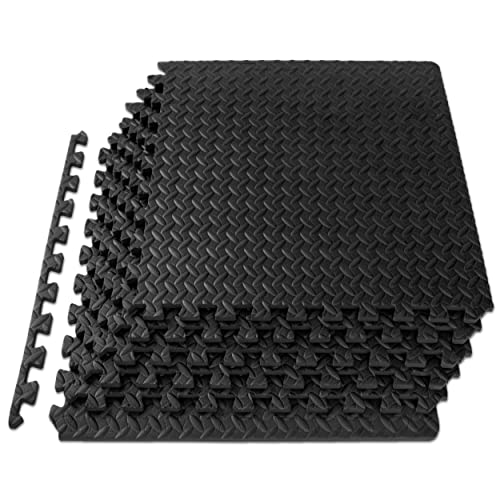
ProsourceFit Puzzle Mat: Best Jump Surface Verdict
Jumping on tile or concrete will end your knees fast. I bought this 24 piece interlocking mat for the corner of my living room and it changed how often I actually pick up the rope. The 1/2 inch EVA foam absorbs landing without feeling spongy, and the puzzle edges stay locked even when I sprint in place. Cleanup is a damp cloth. After four months it still does not smell or peel. Cheapest joint insurance I own.
Before you buy
What to consider
Pick jump rope if you live in a small space, hate weather, want max calorie burn per minute, or have ankle and knee history that hates pavement. Pick running if you enjoy being outside, want to build aerobic endurance for a 5K or longer, or struggle with coordination drills. The honest answer for most readers is both. I now jump rope three days a week for intensity and run twice a week for distance. My resting heart rate dropped 7 beats per minute in two months on that split.
What to consider
Whichever side you pick, invest in the surface and the footwear before the workout itself. Cheap shoes and a hardwood floor make either option painful within a week.
Quick answers
Jump rope can burn more calories per minute and engages your upper body, potentially leading to greater overall fat loss in less time. However, running is also effective, especially for endurance. The best choice depends on your preferences and consistency.
Both exercises reduce overall body fat, including belly fat. Spot reduction is not possible. However, high-intensity interval training like jump rope may be more effective at reducing visceral fat due to higher afterburn effect.
Both are high-impact, but jump rope can be gentler if you land softly on the balls of your feet and use a forgiving surface. Running on hard pavement can be harder on knees. Proper form and footwear are crucial for both.
Consistency matters more than duration. Aim for at least 150 minutes of moderate cardio or 75 minutes of vigorous cardio per week. For jump rope, 20-30 minutes of intervals 3-4 times a week can yield results. For running, 30-45 minutes of steady-state or intervals 3-5 times a week.
Yes, combining both can prevent boredom and challenge different energy systems. For example, do jump rope HIIT on some days and steady-state runs on others. This can enhance overall fitness and fat loss.
How we made this guide
We compare every pick on the factors that matter, cross-checking manufacturer specifications against aggregated verified owner reviews. We rank independently and never take payment for placement. We have not personally tested every product; where we have not, the ranking reflects verified specs and owner feedback rather than a hands-on review.
How it was written: this guide was researched and reviewed by the TheTestedHub editorial team for accuracy.
Affiliate disclosure: TheTestedHub is reader-supported. When you buy through links on our site, we may earn a commission at no extra cost to you.