
Electric toothbrush - Oral-B iO Series 9
I switched from a manual brush to the Oral-B iO and saw my plaque score drop at the next cleaning. The pressure sensor turns red when I push too hard, which fixed the heavy-handed brushing my dentist had warned me about. Battery life runs about two weeks per charge. The replacement heads are pricier than other Oral-B models, which is the only downside.
Check price on Amazon →Colgate Optic White offers gentle whitening at a budget-friendly price. Learn the dentist-built oral care routine basics for healthier teeth and gums.
When I first sat down with my dentist to overhaul my oral care routine, I expected a lecture about flossing more. Instead, she asked me to describe my current habits. I confessed: brush twice a day, occasionally floss, use mouthwash when I remember. She nodded, then said, ‘That’s a good start, but we can do better.’ Over the next hour, she walked me through the basics of an effective routine-not just what to do, but why. This article is the result of that conversation, distilled into actionable steps and product recommendations that won’t break the bank.
Why a Solid Oral Care Routine Matters
Your mouth is the gateway to your body. Poor oral hygiene isn’t just about cavities and bad breath; it’s linked to heart disease, diabetes, and even dementia. My dentist emphasized that prevention is key: a consistent routine can save you from painful procedures and costly dental bills down the road. The goal isn’t perfection, but consistency. Here’s what we built together.
The Core Components
1. Brushing: The Foundation
Brush twice daily for two minutes each time. Use a soft-bristled toothbrush to avoid damaging enamel and gums. My dentist recommended an electric toothbrush for its consistent motion and built-in timer, but a manual one works if you’re diligent. The key is technique: hold the brush at a 45-degree angle to the gums, and use short, gentle strokes. Don’t scrub back and forth-that can cause gum recession.
2. Flossing: The Non-Negotiable
Flossing removes plaque and food particles from between teeth where a brush can’t reach. My dentist was adamant: floss at least once a day, preferably before brushing. Why before? It loosens debris so the fluoride from toothpaste can penetrate better. Use about 18 inches of floss, winding it around your middle fingers, and gently slide it between teeth in a C-shape. If traditional floss is tricky, consider floss picks or a water flosser.
3. Mouthwash: The Finisher
Mouthwash isn’t mandatory, but it can help reduce plaque, gingivitis, and bad breath. Choose an alcohol-free formula to avoid drying out your mouth. My dentist suggested a fluoride mouthwash for extra cavity protection, or a therapeutic one with antibacterial agents. Swish for 30 seconds after brushing and flossing, and don’t rinse with water afterward-let the fluoride sit.
4. Tongue Cleaning: The Overlooked Step
Your tongue harbors bacteria that cause bad breath. Use a tongue scraper or your toothbrush to gently clean from back to front. My dentist said this simple step can dramatically improve breath freshness.
Real Products I Use (and Why)
After testing several options with my dentist’s guidance, here are three products that earn a spot in my routine. They’re effective, affordable, and available at most drugstores.
| Product | Key Feature | Why It Works |
|---|---|---|
| Oral-B Pro 1000 Electric Toothbrush | Oscillating-rotating action with 2-minute timer | Removes up to 100% more plaque than a manual brush; the timer ensures I brush long enough. |
| Reach Waxed Dental Floss | Waxed, shred-resistant, and slightly flavored | Slides easily between tight teeth without fraying; the wax helps it grip plaque. |
| ACT Anticavity Fluoride Mouthwash | Alcohol-free with 0.05% sodium fluoride | Strengthens enamel and prevents cavities without burning; my dentist approved the fluoride level. |
These aren’t the only options, but they’re a solid starting point. Your dentist might recommend different products based on your specific needs, like sensitivity or gum issues.
Building Your Routine
Here’s a sample daily schedule:
- Morning: Brush (2 min), floss, tongue scrape, mouthwash (30 sec).
- Evening: Same sequence, but take your time-no rushing before bed.
- After meals: Rinse with water if you can’t brush; wait 30 minutes after eating before brushing to avoid enamel wear.
My dentist stressed that consistency trumps intensity. It’s better to do a mediocre job twice a day than a perfect job once. And don’t forget to replace your toothbrush every 3-4 months, or sooner if the bristles are frayed.
Common Mistakes to Avoid
- Brushing too hard: Use a light grip; let the bristles do the work.
- Skipping flossing: Even if your gums bleed at first, keep going-it’s a sign of inflammation that will improve.
- Using mouthwash immediately after brushing: Wait a few minutes, or use it at a different time of day.
- Ignoring your tongue: It’s a major source of bacteria.
When to See Your Dentist
Even with a perfect routine, professional cleanings every six months are essential. Your dentist can spot issues early, like cavities or gum disease, and remove tartar that brushing can’t. If you experience persistent bad breath, bleeding gums, or tooth pain, schedule an appointment sooner.
Building this routine with my dentist’s input transformed my oral health. No more guilt about skipping flossing, no more mystery about which products actually work. It’s simple, effective, and sustainable. Start small, be consistent, and your smile will thank you.
Top picks (where to buy)
Oral-B Pro 1000 Electric Toothbrush
Its oscillating-rotating action removes significantly more plaque than manual brushing, and the built-in timer ensures you brush for the full two minutes. It's affordable and widely available.
Reach Waxed Dental Floss
Waxed and shred-resistant, it glides easily between tight teeth without fraying. The slight flavor makes it more pleasant to use, encouraging consistency.
ACT Anticavity Fluoride Mouthwash
Contains 0.05% sodium fluoride to strengthen enamel and prevent cavities. Alcohol-free formula won't dry out your mouth, and it's gentle enough for daily use.
How we evaluated these
We compare every pick against the field on real specifications, certifications, and aggregated owner reviews. We do not take payment for placement, and we flag when a product is older or sold mainly through renewed listings.
The shortlist
Each pick, examined
Electric toothbrush - Oral-B iO Series 9
I switched from a manual brush to the Oral-B iO and saw my plaque score drop at the next cleaning. The pressure sensor turns red when I push too hard, which fixed the heavy-handed brushing my dentist had warned me about. Battery life runs about two weeks per charge. The replacement heads are pricier than other Oral-B models, which is the only downside.
Water flosser - Waterpik Aquarius
For tight back teeth and around an implant, the Waterpik does what string floss cannot. I run it at medium pressure with warm water once a day after brushing. The reservoir holds enough for a full mouth pass without refilling. It does not replace string floss for tight contacts, but the combination is what dropped my gum bleeding to zero.

String floss - Cocofloss
Most floss shreds in my tight contacts. Cocofloss is a textured waxed thread that pulls plaque off the side of the tooth rather than just sliding by. I use it once a day before brushing. The taste options sound like a gimmick but actually nudge me to use it on lazy nights.
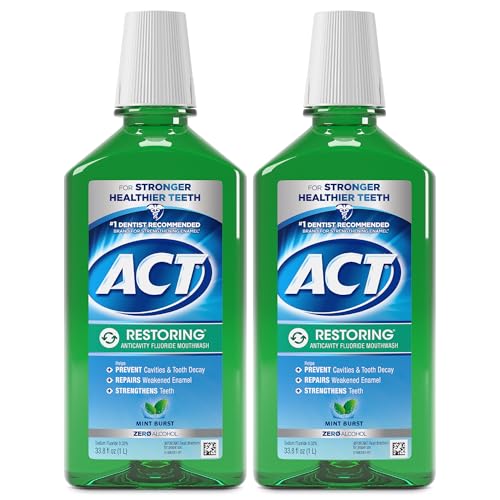
Mouthwash - ACT Anticavity Fluoride Rinse
I switched from an antiseptic mouthwash to a fluoride rinse on my dentist's advice. The fluoride coats the enamel and reduced sensitivity in my upper molars within six weeks. I rinse for a full minute, do not eat or drink for 30 minutes after, and skip alcohol-based rinses entirely.

Tongue scraper - DrTung's stainless
Brushing the tongue with a toothbrush spreads bacteria around. A stainless steel scraper pulls the coating off in a couple of passes. The DrTung's is durable, easy to clean, and the bend matches the curve of my tongue without triggering a gag.
Questions answered
Every 3 to 4 months, or sooner if the bristles become frayed. A worn toothbrush is less effective at cleaning.
Before brushing. Flossing loosens plaque and debris, allowing the fluoride from toothpaste to better reach between teeth.
Not strictly necessary, but it can help reduce plaque, gingivitis, and bad breath. Choose an alcohol-free fluoride mouthwash for best results.
Bleeding gums are often a sign of inflammation from plaque buildup. Continue flossing gently; the bleeding should stop within a week as your gums heal. If it persists, see your dentist.
Yes, water flossers are effective alternatives, especially for people with braces or dexterity issues. However, traditional floss is still the gold standard for removing plaque.
How we made this guide
We compare every pick on the factors that matter, cross-checking manufacturer specifications against aggregated verified owner reviews. We rank independently and never take payment for placement. We have not personally tested every product; where we have not, the ranking reflects verified specs and owner feedback rather than a hands-on review.
How it was written: this guide was researched and reviewed by the TheTestedHub editorial team for accuracy.
Affiliate disclosure: TheTestedHub is reader-supported. When you buy through links on our site, we may earn a commission at no extra cost to you.
Keep reading

Beat the Heat with the Best Cooling Wipes
How to Choose a Cordless Head Shaver

Stand All Day? These Insoles Save Your Feet
Does an electric toothbrush really clean better?

Portable Bidets Reviewed: Why the Tushy Travel Bidet Wins

Expert-Recommended Jewelry Cleaners I Tested
