Choosing between a pre-seasoned and an unseasoned wok is a common dilemma for home cooks. The right choice depends on your cooking style, patience, and willingness to maintain the wok. Pre-seasoned woks come ready to use, while unseasoned ones require you to build the seasoning yourself. This article dives into the differences, pros and cons, and recommends real products to help you decide.
Pre-Seasoned vs Unseasoned Wok: Key Differences
| Feature | Pre-Seasoned | Unseasoned |
|---|---|---|
| Initial Use | Ready to cook immediately after rinsing | Requires seasoning before first use |
| Maintenance | Easier to maintain; seasoning is already established | Requires regular seasoning to build non-stick layer |
| Non-Stick Quality | Moderate; may improve over time | Can develop excellent non-stick properties with proper care |
| Rust Resistance | Better initially due to factory seasoning | More prone to rust if not seasoned and dried properly |
| Price | Typically higher due to seasoning process | Generally lower |
| Customization | Limited; factory seasoning may not be ideal for all | Full control over seasoning process |
Pros and Cons
Pre-Seasoned Wok
Pros: Convenience, ready to use, less initial effort, often comes with a protective coating that prevents rust during shipping.
Cons: Factory seasoning may be thin or uneven, can flake off, may contain chemicals (check if natural oils are used), harder to repair if damaged.
Unseasoned Wok
Pros: Lower cost, full control over seasoning, can achieve superior non-stick surface with proper technique, no risk of unwanted chemicals.
Cons: Requires time and effort to season, must be seasoned immediately to prevent rust, more maintenance initially.
Top Product Recommendations
Best Pre-Seasoned Wok: The Wok Shop 14-Inch Carbon Steel Wok
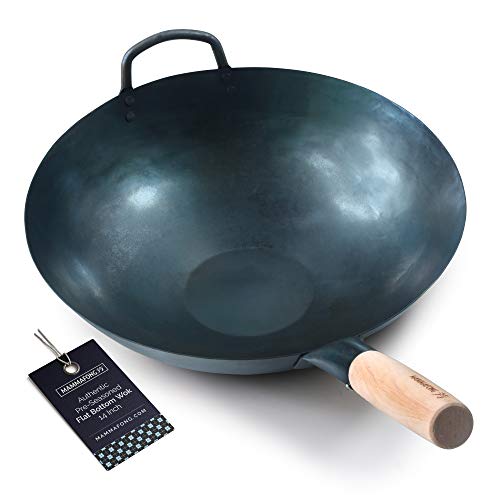
Why it’s great: This wok comes pre-seasoned with a natural oil coating, ready to use out of the box. It’s made from 14-gauge carbon steel, offering excellent heat retention and durability. The flat bottom works on gas, electric, and induction stoves. Users report a good initial non-stick surface that improves with use. The wooden handle stays cool during cooking. A reliable choice for beginners who want convenience.
Best Unseasoned Wok: Yosukata Carbon Steel Wok
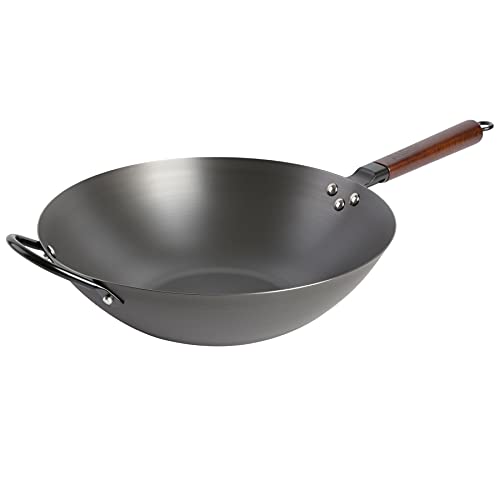
Why it’s great: Yosukata’s wok is unseasoned, allowing you to build your own seasoning. It’s made from high-carbon steel, heats quickly, and develops a dark patina over time. The wok comes with a helper handle and a long wooden handle. It’s lightweight and responsive. Ideal for those who enjoy the seasoning process and want a traditional experience. The price is affordable, leaving room for accessories.
Best Budget Pre-Seasoned: Lodge 14-Inch Carbon Steel Wok
Why it’s great: Lodge is known for cast iron, but their carbon steel wok is pre-seasoned and affordable. It has a flat bottom and two short handles for easy maneuvering. The seasoning is durable and non-stick. It’s heavy, which some may find sturdy, but may be too heavy for tossing. Great for those on a budget who want a ready-to-use wok.
Best Budget Unseasoned: Craft Wok Traditional Hand Hammered Carbon Steel Wok
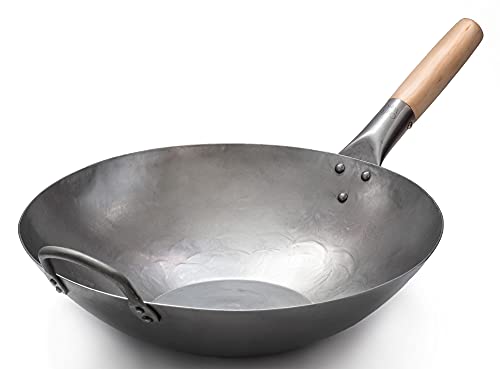
Why it’s great: This unseasoned wok is hand-hammered, giving it a unique texture that helps with seasoning. It’s made from 14-gauge carbon steel and has a long wooden handle. The price is very low, making it a great entry point. However, it requires thorough seasoning before use. The hammered surface holds oil well, leading to a strong non-stick layer.
Best Premium Unseasoned: Shibata Iron Wok
Why it’s great: Shibata’s iron wok is unseasoned and made in Japan from high-quality iron. It’s lightweight and has a smooth surface that seasons beautifully. The wok comes with a wooden handle and a metal loop. It’s pricier but offers superior heat control and durability. Ideal for serious cooks who want to invest in a long-lasting wok.
How to Choose
Consider your cooking habits. If you cook stir-fry frequently and are willing to spend time on seasoning, an unseasoned wok offers better long-term performance. If you want to start cooking immediately with minimal fuss, a pre-seasoned wok is the way to go. Also, check your stove type: flat-bottom woks work on all stoves, while round-bottom woks need a wok ring for gas stoves.
Conclusion
Both pre-seasoned and unseasoned woks have their merits. Pre-seasoned woks are convenient and user-friendly, while unseasoned woks give you control and potentially better results. The best choice is the one that matches your cooking style and commitment to maintenance. Whichever you choose, a carbon steel wok is a versatile tool that will last for years with proper care.
Top picks (where to buy)
The Wok Shop 14-Inch Carbon Steel Wok
Comes ready to use with a natural oil coating, good heat retention, flat bottom works on all stoves, durable 14-gauge steel.
Yosukata Carbon Steel Wok
High-carbon steel, lightweight, responsive, allows full control over seasoning, affordable price.
Lodge 14-Inch Carbon Steel Wok
Durable pre-seasoned surface, affordable, flat bottom, good for beginners on a budget.
Craft Wok Traditional Hand Hammered Carbon Steel Wok
Hand-hammered texture aids seasoning, very low price, traditional design, good for learning seasoning.
Shibata Iron Wok
High-quality Japanese iron, lightweight, smooth surface for excellent seasoning, superior heat control.