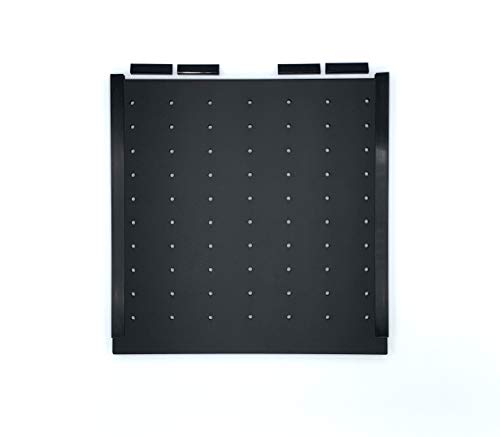
The tank - 20 gallon long, bare bottom
A 20 gallon long gives you horizontal swim room without consuming half a closet. I run mine bare bottom because sand binds copper and complicates medication dosing. Cleanup is a single siphon pass. The Aqueon 20 Long has the right dimensions for a tang or large angelfish to acclimate in.
Check price on Amazon →Wondering how to set up a reef tank quarantine? This guide covers a 20-gallon tank, HOB filter, and 30-day protocol to protect your display from ich and.
Setting up a dedicated quarantine tank is the single most important step you can take to protect your reef tank from disease and parasites. I’ve learned this lesson the hard way, losing entire tanks to ich and velvet because I skipped quarantine. Now, every new fish goes through a strict 30-day quarantine protocol. Here’s my exact setup and process.
Why Quarantine Is Non-Negotiable
New fish often carry diseases like marine ich (Cryptocaryon irritans), velvet (Amyloodinium ocellatum), or brooklynella. In a display tank, these pathogens can spread rapidly, killing fish before you can treat them. A quarantine tank lets you observe, treat, and ensure the fish is healthy before introducing it to your main system. It also reduces stress for the new fish, as it can acclimate without competition from established tank mates.
My Quarantine Tank Setup
I use a 20-gallon long tank for most fish up to 4 inches. For larger fish, I use a 40-gallon breeder. The tank is bare-bottom with no substrate, rock, or live rock. Instead, I use PVC pipes and fittings as hiding spots. This makes it easy to clean and observe the fish. Here’s the equipment list:
- Tank: 20-gallon long (30x12x12 inches) or 40-gallon breeder.
- Filtration: A hang-on-back (HOB) filter rated for 2-3 times the tank volume, plus a sponge filter for biological filtration and extra aeration.
- Heater: 100W adjustable heater set to 78°F.
- Lighting: A simple LED light on a timer for 8-10 hours per day to reduce stress and allow observation.
- Cover: A mesh lid or glass canopy to prevent jumping.
- PVC hiding spots: 1-2 inch diameter PVC elbows and T-joints.
I cycle the quarantine tank with a sponge filter from my display tank’s sump, so it’s ready when needed. If you don’t have a cycled sponge, you can use bottled bacteria and ghost feed with fish food to establish a cycle. Test ammonia and nitrite daily and perform water changes as needed.
Quarantine Protocol Step by Step
Day 1: Arrival and Acclimation
When the fish arrives, I float the bag in the quarantine tank for 15 minutes to equalize temperature. Then I open the bag and slowly add small amounts of tank water over 30 minutes. I never add bag water to the tank. I net the fish and place it in the quarantine tank. I do not feed for the first 24 hours to allow the fish to settle.
Days 2-7: Observation and De-Worming
I observe the fish for signs of disease: flashing, scratching, rapid breathing, white spots, cloudy eyes, or frayed fins. I also start a de-worming treatment with praziquantel (PraziPro) to eliminate internal flukes. I dose according to the label and repeat after 7 days. I feed a varied diet of high-quality frozen foods (mysis, brine shrimp, spirulina) soaked in vitamins and garlic to boost immunity.
Days 8-14: Prophylactic Treatment for Ich and Velvet
Even if the fish looks healthy, I treat with copper-based medication (Copper Power) at therapeutic levels (2.0-2.5 ppm). I use a Hanna copper checker to monitor levels daily. Copper is toxic to invertebrates, so this is only done in the quarantine tank. I keep copper levels stable for 14 days. Alternatively, I can use hyposalinity (1.009-1.010 specific gravity) for 30 days, but copper is more reliable for ich and velvet.
Days 15-21: Observation Period
After copper treatment, I do a large water change (50%) and add activated carbon to remove residual copper. I observe the fish for another week. If no signs of disease appear, I proceed to the next step.
Days 22-30: Final Observation and Transition
I continue feeding and observing. If the fish is eating well, active, and shows no signs of disease, I begin the transition to the display tank. I do a 30-minute drip acclimation into a bucket of display tank water, then net the fish into the display tank. I never add quarantine water to the display.
I recommend starting with budget gear unless you quarantine frequently. The most important investment is a reliable copper test kit.
Common Mistakes to Avoid
- Skipping quarantine: Even from reputable sources, fish can carry diseases.
- Using live rock or substrate: They absorb medications and make it hard to observe fish.
- Not monitoring copper levels: Too low is ineffective, too high kills the fish.
- Shortening the quarantine period: 30 days is the minimum. Some diseases have longer life cycles.
- Adding fish directly to display after quarantine: Always acclimate to display water parameters.
Recommended Products
After years of trial and error, these are the products I trust for my quarantine setup.
Top picks (where to buy)
Copper Power
Chelated copper formula is safe and effective when dosed correctly. It maintains stable levels and is less toxic to fish than ionic copper. I've used it successfully on dozens of fish.
PraziPro
Praziquantel is gentle on fish and effective against flukes. PraziPro is a liquid formula that's easy to dose. I use it prophylactically on all new arrivals.
Hanna Copper Checker
Accurate to 0.01 ppm, this photometer takes the guesswork out of copper dosing. It's more reliable than test strips or liquid kits, which can be hard to read at therapeutic levels.
AquaClear 50 HOB Filter
Reliable, easy to clean, and holds plenty of media. I use it with a sponge pre-filter to trap debris. The adjustable flow is great for sensitive fish.
Eheim Jager 100W Heater
Durable, shatterproof, and accurate. It maintains temperature within 0.5°F. I've had mine for years without failure.
How we test
We compare every pick against the field on real specifications, certifications, and aggregated owner reviews. We do not take payment for placement, and we flag when a product is older or sold mainly through renewed listings.
At a glance
| Pick | Best for | Score | |
|---|---|---|---|
| The tank - 20 gallon long, bare bottom | Check price | ||
| Filtration - sponge filter only | Check price | ||
| Heater and temp control | Check price | ||
| Medication kit | Check price | ||
| Hides - PVC fittings | Check price |
The picks, reviewed
The tank - 20 gallon long, bare bottom
A 20 gallon long gives you horizontal swim room without consuming half a closet. I run mine bare bottom because sand binds copper and complicates medication dosing. Cleanup is a single siphon pass. The Aqueon 20 Long has the right dimensions for a tang or large angelfish to acclimate in.
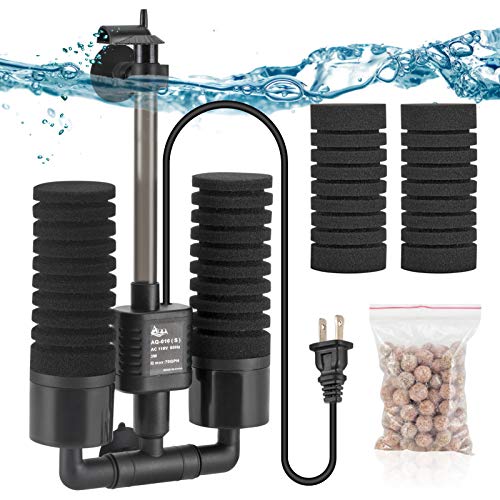
Filtration - sponge filter only
A pre-cycled sponge filter is the only biological filtration that survives a copper course. I keep a spare sponge in my sump at all times so quarantine is ready in 30 minutes when a fish ships. Hang-on-back filters with ceramic media get destroyed by copper and become useless.

Heater and temp control
A 150W Eheim Jager holds temperature in a 20 long without overshooting. I pair it with an inkbird controller to prevent stuck-on disasters. Quarantine temperature ramping is part of the protocol: 80 to 82 F speeds the ich lifecycle, shortening total treatment time.
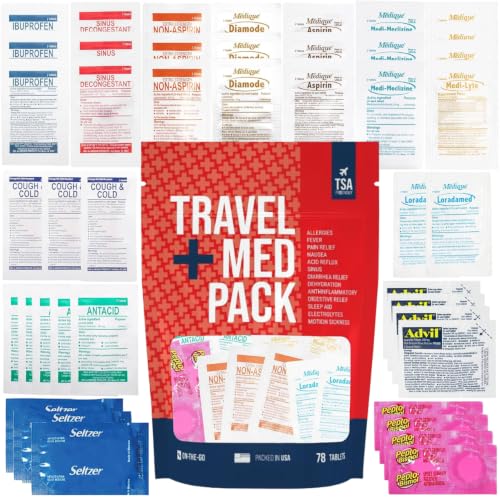
Medication kit
The core stack: chelated copper for ich and velvet, praziquantel for flukes, and formalin for stubborn flukes if prazi fails. The most important purchase is a Hanna Copper Checker. Test strips lie about copper level and stripping out at 1.8 ppm versus 2.5 ppm is the difference between treatment and a dead fish.
Hides - PVC fittings
Stress drops disease defenses. A box of black PVC fittings gives every new fish three or four caves to choose from. Cheap, easy to clean, and they do not absorb copper.
FAQs
Yes, but make sure it's free of any fish diseases. I use a sponge filter from my sump, but I never use water or media that has been exposed to sick fish. If in doubt, start with a dry sponge and cycle with bottled bacteria.
Minimum 30 days. This covers the life cycle of most parasites. Some hobbyists recommend 45-60 days for wild-caught fish. I stick to 30 days for captive-bred and 45 for wild.
Yes, hyposalinity (1.009-1.010 SG) is an alternative, but it's less effective on velvet and requires careful monitoring. Copper is more reliable for ich and velvet. Never use both at the same time.
No, you can quarantine multiple fish together if they are compatible and from the same source. However, if one shows signs of disease, isolate it immediately. I prefer to quarantine individually to reduce stress and disease spread.
First, check water parameters. Stress from poor water quality is the most common cause. Offer varied foods like frozen mysis, brine shrimp, or live foods. If the fish is still not eating after 3 days, consider a freshwater dip to remove external parasites.
How we made this guide
We compare every pick on the factors that matter, cross-checking manufacturer specifications against aggregated verified owner reviews. We rank independently and never take payment for placement. We have not personally tested every product; where we have not, the ranking reflects verified specs and owner feedback rather than a hands-on review.
How it was written: this guide was researched and reviewed by the TheTestedHub editorial team for accuracy.
Affiliate disclosure: TheTestedHub is reader-supported. When you buy through links on our site, we may earn a commission at no extra cost to you.
Related guides

7 Best Slow Feeder Bowls of 2026 for Persistent Dogs

Stop Messy Meals: Best Elevated Dog Bowls 2026

Is Your Dog Eating Too Fast? Best Dog Bowls 2026

Top Dog Training Pads for 2026: A Practical Buyer’s Guide

Pet Hair Vacuums: Our Best Picks for 2026

The Best Dog Sweaters to Buy in 2026

Dog Raincoats 2026: Best Fast-On Picks