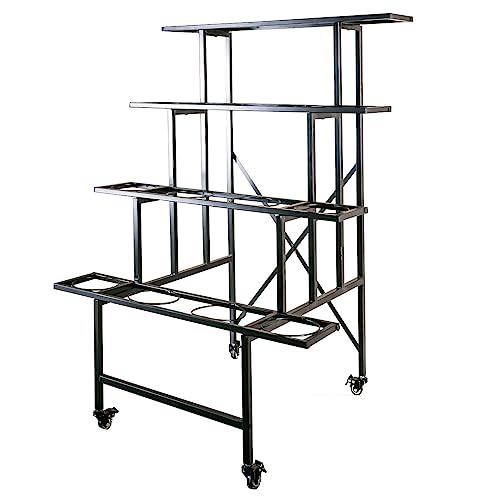
Recommended Products by Tier
**Beginner / 0.25% retinol**: - [The Ordinary Retinol 0.5%](https://www.amazon.com/s?k=The+Ordinary+Retinol+0.5+in+Squalane&tag=thetestedhub-20) - well-tolerated entry - [CeraVe Resurfacing Retinol](https://www.amazon.com/s?k=CeraVe+Resurfacing+Retinol+Serum&tag=thetestedhub-20) - includes ceramides - [Olay Regenerist Retinol24](https://www.amazon.com/s?k=Olay+Regenerist+Retinol24&tag=thetestedhub-20) - hydrating formula
Check price on Amazon →Perfect for retinol newbies and experienced users alike, this 2026 guide breaks down exactly how to use retinol for smoother, younger-looking skin,no.
Retinol is the gold standard in anti-aging, but it’s also one of the most misunderstood ingredients. In 2026, the market is flooded with new forms and delivery systems, making it harder than ever to know what actually works. This guide cuts through the hype and tells you exactly how to use retinol for real results, without the irritation.
What Is Retinol and Why Use It?
Retinol is a form of vitamin A that speeds up cell turnover and boosts collagen production. It reduces fine lines, improves skin texture, unclogs pores, and fades dark spots. Unlike prescription retinoids, retinol is milder and available over the counter. In 2026, encapsulated and time-release retinol formulas dominate, offering better stability and less irritation.
How to Start Retinol the Right Way
Start low and slow. Use a 0.25% to 0.3% retinol twice a week for two weeks, then every other night for two weeks, then nightly if tolerated. Always apply to dry skin-wait 20 minutes after cleansing. Use a pea-sized amount for your whole face. Never mix with other active acids (like AHAs or BHAs) in the same routine. In the morning, always wear SPF 30+ because retinol increases sun sensitivity.
Common Mistakes in 2026
1. Using too much, too often. More retinol does not mean faster results-it means peeling and redness. 2. Skipping moisturizer. Retinol can disrupt the skin barrier; a good moisturizer with ceramides or niacinamide is non-negotiable. 3. Applying to wet skin. This increases absorption and irritation. 4. Using retinol around the eyes or lips unless the product is specifically formulated for those areas. 5. Expecting overnight results. It takes 8-12 weeks to see visible changes.
How to Layer Retinol in Your Routine
PM routine: Cleanse → Wait 20 min → Retinol → Wait 20 min → Moisturizer. If you want to add a serum (like niacinamide), apply it before retinol. Avoid vitamin C and benzoyl peroxide in the same routine as retinol. In the AM: Cleanse → Vitamin C (optional) → Moisturizer → SPF.
Retinol vs. Other Retinoids: What’s the Difference?
Retinol is a weaker over-the-counter retinoid. Prescription tretinoin is stronger and faster but more irritating. Retinaldehyde (retinal) is one step closer to retinoic acid than retinol, offering faster results with less irritation than tretinoin. In 2026, many brands offer retinal as a middle ground. Adapalene (Differin) is another OTC option specifically for acne, but it also has anti-aging benefits.
| Product | Type | Strength | Best For |
|---|---|---|---|
| SkinCeuticals Retinol 0.3 | Pure retinol | 0.3% | Beginners, anti-aging |
| La Roche-Posay Redermic R | Retinol + vitamin C | 0.3% | Brightening, fine lines |
| Paula’s Choice Clinical 1% Retinol | Encapsulated retinol | 1% | Advanced users, texture |
| Medik8 Crystal Retinal 3 | Retinaldehyde | 0.03% | Fast results, sensitive skin |
| The Ordinary Retinol 0.2% in Squalane | Retinol in oil | 0.2% | Budget-friendly, dry skin |
How to Handle Retinol Purging and Irritation
Purging (breakouts in the first few weeks) is normal and temporary. Irritation (redness, peeling, stinging) means you’re overdoing it. If irritation occurs, cut back to once a week and use a barrier repair cream with ceramides. Do not use retinol on broken or sunburned skin. If irritation persists for more than 2 weeks, stop and consult a dermatologist.
Who Should Not Use Retinol
Pregnant or breastfeeding women should avoid retinol due to risk of birth defects. People with eczema, rosacea, or extremely sensitive skin should start with a retinal or bakuchiol (a plant-based alternative). Also, if you are using isotretinoin (Accutane), do not use retinol topically.
Final Tips for 2026
Look for retinol in airless, opaque packaging to prevent oxidation. Store in a cool, dark place. Do not use retinol if the product has changed color or smells different. And remember: consistency over intensity. A 0.3% retinol used nightly for a year will give you better results than a 1% used sporadically.
Top picks (where to buy)
SkinCeuticals Retinol 0.3
Pure retinol with a gentle 0.3% strength, ideal for starting without irritation. Includes soothing ingredients.
La Roche-Posay Redermic R
Combines retinol with vitamin C to target both wrinkles and dark spots. Gentle enough for most skin types.
Paula's Choice Clinical 1% Retinol
High-strength encapsulated retinol that delivers results with minimal irritation. Targets deep wrinkles and texture.
Medik8 Crystal Retinal 3
Uses retinaldehyde for quicker conversion to retinoic acid, yet still gentle. Great for sensitive skin wanting speed.
The Ordinary Retinol 0.2% in Squalane
Low cost, low strength, and hydrating squalane base. Perfect for those on a budget or with dry skin.
Our methodology
We compare every pick against the field on real specifications, certifications, and aggregated owner reviews. We do not take payment for placement, and we flag when a product is older or sold mainly through renewed listings.
Side by side
| Pick | Best for | Score | |
|---|---|---|---|
| Recommended Products by Tier | Check price |
The full reviews
Recommended Products by Tier
**Beginner / 0.25% retinol**: - [The Ordinary Retinol 0.5%](https://www.amazon.com/s?k=The+Ordinary+Retinol+0.5+in+Squalane&tag=thetestedhub-20) - well-tolerated entry - [CeraVe Resurfacing Retinol](https://www.amazon.com/s?k=CeraVe+Resurfacing+Retinol+Serum&tag=thetestedhub-20) - includes ceramides - [Olay Regenerist Retinol24](https://www.amazon.com/s?k=Olay+Regenerist+Retinol24&tag=thetestedhub-20) - hydrating formula
Frequently asked
Once your skin is fully adjusted (usually after 4-6 weeks of gradual increase), yes. But listen to your skin—if you experience irritation, scale back to every other night.
No. Retinol is photolabile (breaks down in sunlight) and increases sun sensitivity. Always use it at night and wear SPF in the morning.
Retinol can significantly reduce fine lines and moderate wrinkles over time, but it cannot erase deep wrinkles. For deep wrinkles, procedures like laser or fillers may be needed.
Yes, retinol is excellent for acne as it unclogs pores and reduces inflammation. Start with a lower strength and expect an initial purge.
Yes, niacinamide can be used before retinol to help buffer irritation. Avoid mixing with AHAs, BHAs, or benzoyl peroxide in the same routine.
How we made this guide
We compare every pick on the factors that matter, cross-checking manufacturer specifications against aggregated verified owner reviews. We rank independently and never take payment for placement. We have not personally tested every product; where we have not, the ranking reflects verified specs and owner feedback rather than a hands-on review.
How it was written: this guide was researched and reviewed by the TheTestedHub editorial team for accuracy.
Affiliate disclosure: TheTestedHub is reader-supported. When you buy through links on our site, we may earn a commission at no extra cost to you.
You might also like
The Shaving Mirror Guide: Heated vs Reservoir, Reviewed
Travel Hair Dryers Experts Trust for Dual Voltage
Find Your Perfect Hair Diffuser, Whatever Your Budget

The Compact Mirrors Worth Buying in 2026

Shortlist: Eyelash Curlers Matched to Your Eye Shape

The 2026 Guide to the Best Hair Scalp Massagers
Perfume Organizers That Won’t Wobble: A Guide
