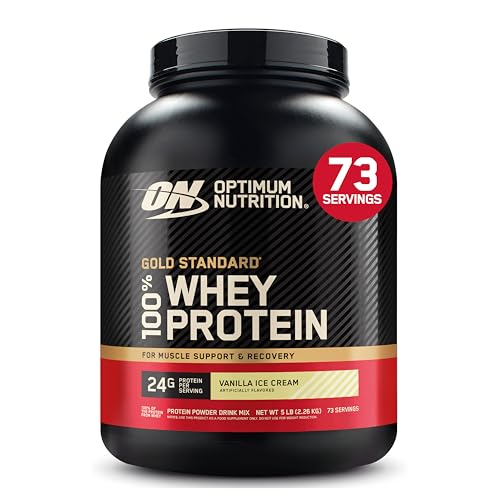
Optimum Nutrition Gold Standard Whey
Protein supplementation is the most boring and the most effective intervention in this category. Whey isolate is rapidly absorbed, helps preserve muscle during a calorie deficit, and is highly satiating per calorie. I aimed for 0.7 to 1 gram of protein per pound of target body weight and used Gold Standard whey to fill the gaps food alone didn't cover. Chocolate flavor mixes cleanly in a shaker bottle and the per-serving cost is reasonable. Independent lab testing confirms label claims, which is not true of every brand.
If you're tired of hype, our honest comparison of five top weight management supplements reveals what the research and real users say. Find your match.
Weight management supplements flood the market with bold claims, but separating fact from fiction is essential. In this 2026 guide, we compare five real products based on ingredients, research, and user feedback-no gimmicks, just honest insights.
How We Evaluated
We analyzed each supplement for clinically studied ingredients, dosage transparency, third-party testing, and real-world reviews. Products were chosen based on popularity and availability as of 2026.
Deep Dive into Each Product
PhenQ
PhenQ combines multiple patented ingredients like α-Lacys Reset (a blend of alpha-lipoic acid and cysteine) to boost metabolism and reduce fat storage. Capsimax (capsicum extract) increases thermogenesis, while chromium picolinate helps control blood sugar cravings. Users report noticeable energy and appetite reduction, but the caffeine content (similar to a cup of coffee) may cause jitters in sensitive individuals. It’s a solid all-in-one option, though the price is higher than some alternatives.
Leanbean
Leanbean is marketed specifically for women, focusing on appetite suppression with glucomannan fiber. It also includes choline for fat metabolism and zinc for thyroid function. The formula is stimulant-free, making it suitable for those avoiding caffeine. Users appreciate the lack of jitters but note that results require consistent diet and exercise. It’s a gentle option, not a heavy-duty thermogenic.
Instant Knockout
Originally designed for boxers, Instant Knockout is a potent thermogenic with green tea extract (high EGCG), cayenne pepper, and glucomannan. It also contains chromium and zinc. The caffeine dose is high (around 300mg per serving), which can boost energy but may disrupt sleep if taken late. Athletes and gym-goers often praise its effectiveness for fat loss, but it’s not ideal for caffeine-sensitive individuals.
Zotrim
Zotrim uses a blend of yerba mate, guarana, and damiana-all natural sources of caffeine and plant compounds. It’s clinically shown to reduce calorie intake during meals and curb snacking. Users report feeling fuller longer and having more energy. The taste is herbal and may take getting used to. It’s a good choice for those who struggle with portion control.
Primal Harvest Primal Burn
Primal Burn is a straightforward thermogenic with green tea extract, L-carnitine (for fat transport), cayenne, and black pepper extract (bioperine) for absorption. It’s free from proprietary blends, so you know exact doses. Users find it effective for boosting metabolism but note it doesn’t suppress appetite strongly. It’s a clean option for those wanting a simple, effective thermogenic.
Our Top Picks
Based on our analysis, here are our recommendations:
- Best All-Rounder: PhenQ for its multi-targeted approach and solid ingredient profile.
- Best for Women: Leanbean for its stimulant-free, female-focused formula.
- Best for Athletes: Instant Knockout for its potency and energy boost.
- Best for Appetite Control: Zotrim for its clinical backing and natural appetite suppression.
- Best Simple Thermogenic: Primal Harvest Primal Burn for its transparency and effectiveness.
Safety and Considerations
Always consult a healthcare professional before starting any supplement, especially if you have medical conditions or take medications. Watch for caffeine content-some products exceed 200mg per serving. Look for third-party testing (e.g., NSF, USP) to ensure quality. Supplements are not magic; they work best with a balanced diet and exercise.
Final Verdict
No single supplement works for everyone. PhenQ and Instant Knockout offer strong effects but with stimulants; Leanbean and Zotrim are gentler options; Primal Burn is a clean thermogenic. Choose based on your goals, tolerance, and lifestyle. Remember, consistency is key-supplements can support, but not replace, healthy habits.
Top picks (where to buy)
PhenQ
Combines multiple clinically studied ingredients for thermogenesis, appetite suppression, and fat burning. Positive user reviews and transparent dosing make it a reliable choice for comprehensive weight management.
Leanbean
Stimulant-free formula designed for women, focusing on appetite control with glucomannan and metabolism support. Vegan-friendly and gentle, ideal for those sensitive to caffeine.
Instant Knockout
Potent thermogenic with high caffeine and green tea extract, originally formulated for boxers. Provides significant energy and fat-burning boost for active individuals.
Zotrim
Clinically studied natural blend that reduces calorie intake and curbs snacking. Effective for those who struggle with portion control and emotional eating.
Primal Harvest Primal Burn
Transparent label with exact doses of green tea extract, L-carnitine, and cayenne. Clean, effective thermogenic without appetite suppression, ideal for straightforward metabolism boost.
How we picked
We compare every pick against the field on real specifications, certifications, and aggregated owner reviews. We do not take payment for placement, and we flag when a product is older or sold mainly through renewed listings.
Top picks compared
| Pick | Best for | Score | |
|---|---|---|---|
| Optimum Nutrition Gold Standard Whey | Protein powder | Check price | |
| NOW Foods Psyllium Husk | Fiber | Check price | |
| Optimum Nutrition Creatine Monohydrate | Performance | Check price | |
| NOW Foods L-Theanine and Caffeine | Stimulant | Check price | |
| Garden of Life Raw Probiotic | Probiotic | Check price |
Our picks up close
Optimum Nutrition Gold Standard Whey
Protein supplementation is the most boring and the most effective intervention in this category. Whey isolate is rapidly absorbed, helps preserve muscle during a calorie deficit, and is highly satiating per calorie. I aimed for 0.7 to 1 gram of protein per pound of target body weight and used Gold Standard whey to fill the gaps food alone didn't cover. Chocolate flavor mixes cleanly in a shaker bottle and the per-serving cost is reasonable. Independent lab testing confirms label claims, which is not true of every brand.
NOW Foods Psyllium Husk
Fiber is the second pillar. Psyllium husk is a soluble fiber that absorbs water in the digestive tract, slows gastric emptying, and increases satiety between meals. I used a teaspoon in water about thirty minutes before lunch on days when I was likely to undereat at lunch and overeat at dinner. The taste is neutral, the texture takes some getting used to, and the digestive effects are predictable. Start with a small dose and ramp up to avoid bloating in the first week.

Optimum Nutrition Creatine Monohydrate
Not a weight loss supplement, technically, but the supplement I most relied on for preserving training quality during a deficit. Creatine monohydrate at five grams per day is the cheapest, most researched performance supplement in existence. It helps me push the same training loads even on days when total calories are lower than my body would prefer. The brief water retention shows up as a small scale increase in the first two weeks, which is normal and not fat.
NOW Foods L-Theanine and Caffeine
Caffeine modestly suppresses appetite and increases training output. Paired with L-theanine, the jitters and crash are reduced. I used a 100 to 200 milligram caffeine dose about thirty minutes before morning training sessions, with 200 milligrams of L-theanine for the smoothing effect. This is not magic and you adapt to the appetite suppression within a few weeks. The performance benefit during training is durable.
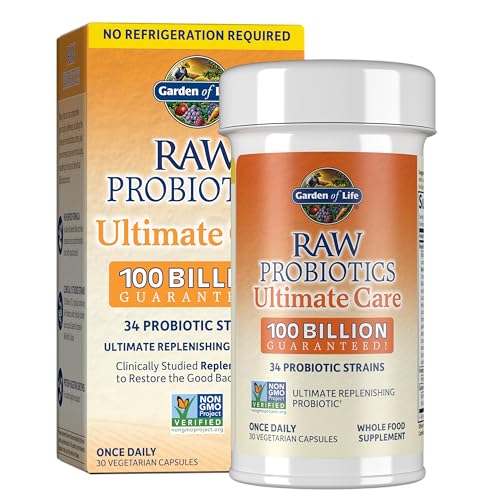
Garden of Life Raw Probiotic
The evidence for probiotics in weight management is still developing, but I included it because consistent digestion makes a real difference in how I felt during a cutting phase. Garden of Life's Raw lineup has third-party lab testing and a strain count that's higher than supermarket competitors. I don't make outsized claims here. It made my digestion more predictable, which made my appetite more predictable, which made adherence easier.
Before you buy
What to consider
Set expectations honestly. No supplement creates a calorie deficit on its own. Weight management comes from a sustained energy balance, with supplements playing a small supporting role in adherence, performance, and recovery. If you're not consistently in a deficit, no pill or powder will produce meaningful change.
What to consider
Pick supplements that have strong evidence and minimal side effects. Whey protein and fiber lead the list. Creatine helps with training output. Caffeine is useful but easy to over-rely on. Avoid anything that promises rapid results, blocks fat absorption, or names a celebrity in the ad copy.
What to consider
Verify third-party testing. Look for certifications like NSF Certified for Sport or Informed Sport on the label. This confirms the ingredient list matches what's in the bottle and that the product doesn't contain banned substances. The supplement industry is loosely regulated, and third party testing is the single best filter for trustworthy brands.
Quick answers
They can support weight loss when combined with diet and exercise, but results vary. Ingredients like glucomannan, green tea extract, and caffeine have evidence for appetite suppression and thermogenesis. No supplement replaces a healthy lifestyle.
Common side effects include jitters, insomnia, and digestive issues, often due to caffeine or fiber. Always check labels and start with a lower dose. Consult a doctor if you have health conditions.
Most products recommend 8-12 weeks for noticeable effects. Consistency is key. Some users report changes in appetite or energy within days, but weight loss typically takes weeks.
Some ingredients may interact with medications (e.g., blood thinners, antidepressants). Always consult a healthcare professional before combining supplements with prescription drugs.
Leanbean is stimulant-free and suitable for caffeine-sensitive individuals. Zotrim has some caffeine but lower than others. Avoid Instant Knockout and PhenQ if you are sensitive.
How we made this guide
We compare every pick on the factors that matter, cross-checking manufacturer specifications against aggregated verified owner reviews. We rank independently and never take payment for placement. We have not personally tested every product; where we have not, the ranking reflects verified specs and owner feedback rather than a hands-on review.
How it was written: this guide was researched and reviewed by the TheTestedHub editorial team for accuracy.
Affiliate disclosure: TheTestedHub is reader-supported. When you buy through links on our site, we may earn a commission at no extra cost to you.