You’ve seasoned your carbon steel wok, followed all the tips, yet food still sticks. Frustrating, right? You’re not alone. Sticking is a common issue with carbon steel, but it’s almost always fixable. Let’s dive into the real reasons why food sticks and how to solve them-without the marketing fluff.
Why Food Sticks to Carbon Steel Wok
Carbon steel is beloved for its heat responsiveness and eventual non-stick properties, but it’s not naturally non-stick like Teflon. Sticking happens due to a few key factors:
- Insufficient seasoning: The polymerized oil layer isn’t thick or even enough. Seasoning is a chemical process where oil bonds to the metal at high heat, creating a smooth, hydrophobic surface. If the layer is thin or patchy, food will grab onto bare metal.
- Inadequate preheating: Carbon steel needs to be hot before oil and food go in. A cold wok causes food to stick as proteins bond with the metal. The Leidenfrost effect-where water droplets skitter across the surface-is your cue that it’s ready.
- Wrong oil or too little oil: Using low smoke point oils can burn and create sticky residue. Also, not enough oil means no barrier between food and metal.
- Overcrowding: Adding too much food at once drops the temperature, causing steam instead of searing. Steamed food sticks.
- Acidic ingredients: Tomatoes, vinegar, or citrus can strip seasoning, exposing bare metal.
- Improper cleaning: Using soap or scrubbing too hard removes seasoning. Carbon steel should be cleaned with hot water and a soft brush, then dried and lightly oiled.
How to Fix Sticking
Here’s a step-by-step plan to restore and maintain a non-stick surface:
- Re-season your wok: Strip it down (using oven cleaner or scrubbing with steel wool) and start fresh. Apply a thin layer of high smoke point oil (flaxseed, grapeseed, or canola) and heat until smoking. Repeat 3-4 times.
- Preheat properly: Heat the wok on medium-high until a drop of water beads and dances. Then add oil, swirl to coat, and heat until shimmering before adding food.
- Use the right oil: Stick to oils with smoke points above 400°F (204°C). Avoid olive oil for high-heat cooking.
- Don’t overcrowd: Cook in small batches. Let the wok recover heat between batches.
- Avoid acidic foods initially: Until seasoning is robust, skip tomatoes, vinegar, or wine. Once well-seasoned, brief exposure is okay.
- Clean gently: After cooking, rinse with hot water and scrub with a bamboo brush or non-abrasive pad. Dry on stove, then rub with a drop of oil.
Real Products That Help
While technique is king, the right tools make a difference. Here are five products that address common sticking issues:
| Product | Best For | Why It Works |
|---|---|---|
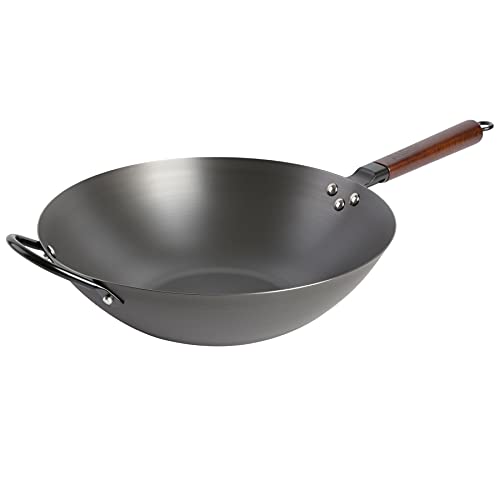
| Lodge 14-Inch Carbon Steel Wok | Pre-seasoned surface | Comes pre-seasoned with vegetable oil, saving you the initial work. The seasoning is decent but still benefits from additional layers. |
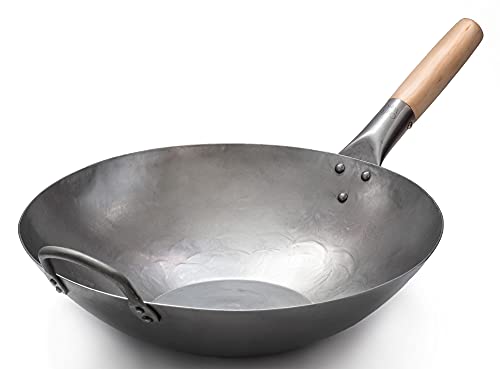
| Wok Shop Hand Hammered Carbon Steel Wok | Traditional seasoning | Unseasoned, allowing you to build your own seasoning from scratch. The hammered surface helps food release. |
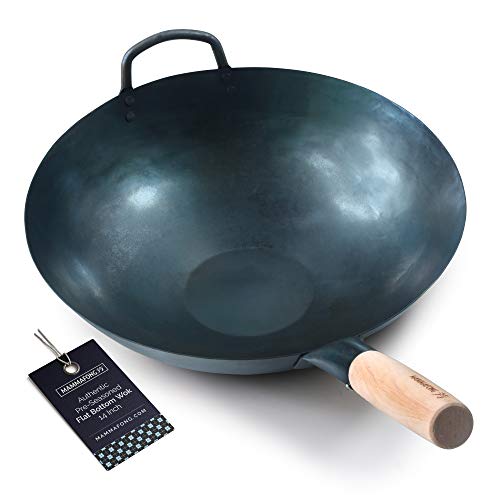
| Yosukata Carbon Steel Wok | Flat-bottom for gas stoves | Pre-seasoned with a smooth surface. Its flat bottom ensures even heat distribution, reducing hot spots that cause sticking. |
| Joyce Chen Carbon Steel Wok | Budget-friendly | Affordable and lightweight. The thin steel heats quickly, but requires careful seasoning. Good for beginners to practice. |
| Carbon Steel Wok Chainmail Scrubber | Cleaning without stripping | Removes stuck food without damaging seasoning. Rinse, scrub, dry, and oil-no soap needed. |
Common Mistakes to Avoid
- Using too high heat: While carbon steel handles high heat, too much can burn seasoning. Medium-high is usually sufficient.
- Moving food too soon: Let food sear and release naturally. If it sticks, it’s not ready to flip.
- Skipping the oil after cleaning: Always apply a thin layer of oil after drying to prevent rust and maintain seasoning.
- Using metal utensils: They can scratch seasoning. Use wooden or silicone tools.
When to Start Over
If your wok has rust spots or the seasoning is flaking, strip it completely. Use steel wool and soap, or a self-cleaning oven cycle. Then re-season from scratch. A well-maintained carbon steel wok becomes more non-stick over time, so don’t give up.
Final Thoughts
Sticking is a sign that your wok needs attention-not that it’s a bad pan. With proper seasoning, heat management, and cleaning, you’ll achieve that coveted non-stick surface. Remember, it’s a journey, not a destination. Cook often, and your wok will reward you.
Top picks (where to buy)
Lodge 14-Inch Carbon Steel Wok
Comes pre-seasoned, saving initial effort. The seasoning is decent but benefits from additional layers. Good for those who want to start cooking immediately.
Wok Shop Hand Hammered Carbon Steel Wok
Unseasoned, allowing full control over seasoning. The hammered surface aids food release. Ideal for purists who enjoy building their own patina.
Yosukata Carbon Steel Wok
Flat bottom ensures even heat on gas burners, reducing hot spots. Pre-seasoned with smooth surface. Great for consistent results.
Joyce Chen Carbon Steel Wok
Affordable and lightweight. Heats quickly but requires careful seasoning. Perfect for beginners to practice without a big investment.
Carbon Steel Wok Chainmail Scrubber
Removes stuck food without stripping seasoning. No soap needed. Extends the life of your seasoning and prevents rust.