You’ve just finished stir-frying a delicious meal, and as you clean your wok, you notice orange-brown spots. Rust. It’s frustrating, but it doesn’t mean your wok is ruined. Rust on a wok is common, especially with carbon steel or cast iron, but it’s fixable. Let’s break down why it happens and how to fix it.
Why Is My Wok Rusting?
Rust forms when iron reacts with oxygen and moisture. Your wok is mostly iron, so if it’s not protected, it will rust. The main causes are:
- Improper drying: Leaving water on the surface after washing.
- Insufficient seasoning: The protective oil layer is too thin or damaged.
- Acidic foods: Cooking tomatoes, vinegar, or citrus can strip seasoning.
- High humidity: Storing in a damp environment.
- Scratching: Using abrasive cleaners that remove seasoning.
How to Fix Rust on a Wok
If your wok has rust, don’t panic. Here’s how to restore it:
- Scrub off rust: Use steel wool or a scrub pad with warm water and mild dish soap. For stubborn rust, make a paste of baking soda and water. Rinse and dry immediately.
- Re-season the wok: After removing rust, you need to build a new protective layer. Heat the wok until it’s smoking, add a thin layer of high-smoke-point oil (like grapeseed or flaxseed), and wipe off excess. Repeat 2-3 times. Let it cool.
- Maintain properly: After each use, wash with hot water and a soft sponge (no soap if possible), dry thoroughly over heat, and apply a thin coat of oil before storing.
Preventing Future Rust
Prevention is easier than cure. Here are tips:
- Always dry your wok completely after washing. Place it on a burner on low heat to evaporate all moisture.
- Store in a dry place. If you have to stack it, place a paper towel inside to absorb moisture.
- Avoid cooking acidic foods until the seasoning is well-established (after many uses).
- Use only non-abrasive tools like bamboo brushes or soft sponges.
- Re-season periodically if you notice the surface looking dull or patchy.
Comparison of Rust Removal Methods
| Method | Pros | Cons | Best For |
|---|---|---|---|
| Steel wool + soap | Fast, effective on light rust | Can scratch seasoning | Light surface rust |
| Baking soda paste | Gentle, non-toxic | Requires elbow grease | Moderate rust |
| Vinegar soak | Dissolves rust chemically | Can damage if left too long; strong smell | Heavy rust |
| Commercial rust remover | Very effective | Harsh chemicals; may require full reseason | Severe rust |
Recommended Products for Wok Care
Here are some products that can help you maintain your wok and prevent rust. These are real, available options.
1. The Wok Shop Carbon Steel Wok
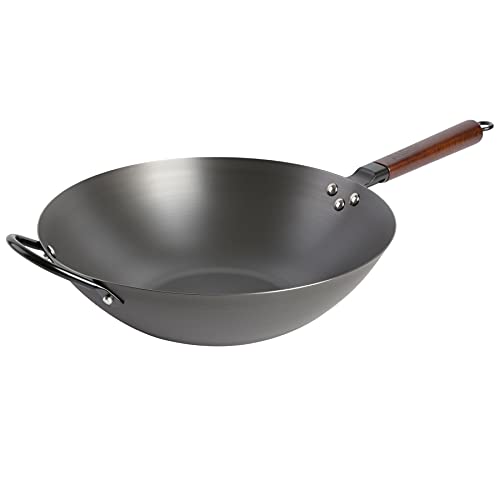
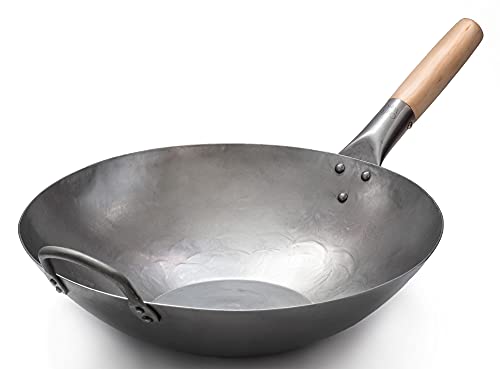
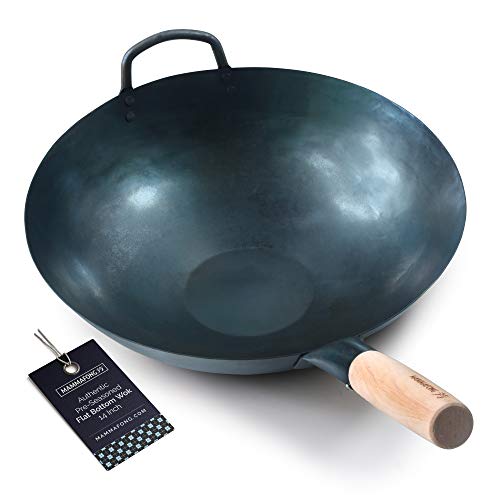
This traditional 14-inch wok is made of high-carbon steel, which is prone to rust if not seasoned, but it’s easy to restore. It comes pre-seasoned, but you’ll need to maintain it. The flat bottom works on gas and electric stoves.
2. Lodge Cast Iron Wok
Cast iron holds heat well but rusts easily if not dried properly. This one is pre-seasoned and has a helper handle. It’s heavy but durable. Use a chainmail scrubber for cleaning.
3. Joyce Chen Carbon Steel Wok
A lighter option with a wooden handle. It’s 14 inches and comes with a flat bottom. The surface is untreated, so you must season it immediately. It’s affordable and widely available.
4. Grace Young’s Wok Care Kit
Includes a bamboo brush, a wok spatula, and a bottle of high-smoke-point oil. This kit is designed to help you season and maintain your wok properly. The brush is gentle and won’t scratch seasoning.
5. Carbon Steel Wok Seasoning Oil
A specialized oil blend for seasoning. It has a high smoke point and creates a durable non-stick layer. Use it after cleaning to protect against rust.
Choosing the right product depends on your cooking style and budget. For most home cooks, a carbon steel wok like the Wok Shop or Joyce Chen is ideal. Pair it with a good care kit and oil for best results.
Frequently Asked Questions
Q: Can I use soap on my wok?
A: It’s best to avoid soap on seasoned woks as it can strip the oil layer. Use hot water and a stiff brush. If you must use soap, re-season afterward.
Q: How often should I season my wok?
A: Initially, season 2-3 times. After that, re-season whenever the surface looks dull or food starts sticking, typically every few months.
Q: Is rust dangerous?
A: Rust itself is not toxic, but it can flake off into food. It’s best to remove it before cooking. If you ingest small amounts, it’s usually harmless.
Q: Can I use a rusty wok?
A: Not recommended. Rust can affect flavor and texture. Clean and re-season before use.
Q: Why does my wok rust even after seasoning?
A: The seasoning layer may be too thin, or you might be using too much water or acidic ingredients. Ensure the wok is fully dry and avoid acidic foods until seasoning is robust.
Top picks (where to buy)
The Wok Shop Carbon Steel Wok
Traditional 14-inch carbon steel wok that seasons well and is easy to restore. Ideal for learning wok care.
Lodge Cast Iron Wok
Cast iron holds heat evenly, but requires diligent drying. Pre-seasoned and durable.
Joyce Chen Carbon Steel Wok
Lightweight, affordable, and flat-bottomed. Requires immediate seasoning but performs well.