Samsung QN90B Neo QLED - Best Overall
Samsung’s QN90B uses Neo QLED technology with a Mini LED backlight that delivers 2,000 nits peak brightness and deep local dimming. The Quantum HDR 32X engine supports HDR10+, delivering vivid highlights in bright rooms. With a 120 Hz native refresh rate, HDMI 2.1, and low input lag (under 10 ms), it is a strong choice for console gamers. The Tizen smart platform offers a wide app selection and integrated voice assistants.
The Samsung QN90B hits 2,000 nits brightness for vibrant HDR. From pixel-level OLED contrast to budget Mini LED, find the 4K TV that solves your picture.
Quick verdict
The Samsung QN90B Neo QLED is the best overall pick because it combines the highest peak brightness and deep local dimming with excellent gaming features, making it the most versatile performer for both bright rooms and fast-paced content.
Key takeaways
- Best for overall performance: Samsung QN90B Neo QLED, delivers 2,000 nits brightness and strong gaming specs.
- Best for budget OLED buyers: LG C2 OLED, offers pixel-level contrast and Dolby Vision at a more accessible price.
- Best for value seekers: TCL 6-Series R655, combines Mini LED and QLED with a simple Roku interface for less.
- Best for upscaling and motion: Sony X90K LED, uses Cognitive Processor XR to sharpen lower-resolution content and smooth motion.
- Best for affordable smart features: Vizio M-Series Quantum, provides a quantum dot panel and built-in Chromecast at a low cost.
Why you should trust this guide
I have spent years researching television technology, analyzing manufacturer specifications, and reading thousands of owner reviews across major retail platforms. My approach is to compare each model based on the features that matter most to real buyers: brightness, contrast, HDR support, gaming performance, and smart platform usability. I do not rely on marketing hype; instead, I focus on what the specs actually mean for your viewing experience in a typical living room.
Every recommendation in this guide is grounded in the stated capabilities of each television and the consensus feedback from verified purchasers. I prioritize models that deliver consistent performance across different content types, from streaming movies to console gaming. If a product has a known weakness, such as limited HDMI ports or lower peak brightness, I highlight it honestly so you can make an informed decision without surprises.
How we researched
To evaluate these televisions, I established a set of criteria that reflect real-world usage. The primary factors were peak brightness for HDR highlights, black level performance for contrast, color accuracy out of the box, input lag for gaming, and the responsiveness of the smart platform. I also considered the number and type of HDMI ports, as well as support for Dolby Vision and HDR10+, since these determine compatibility with modern streaming services and game consoles.
I compared each model against its direct competitors in the same price bracket, weighing trade-offs between brightness and black levels, or between gaming features and picture processing. I did not perform any physical measurements or lab tests; instead, I relied on the manufacturer’s published specifications and the aggregated feedback from hundreds of owners. This method ensures that the guide reflects what you can expect to receive from a retail unit, not a cherry-picked review sample.
Samsung QN90B Neo QLED – Best Overall
The Samsung QN90B Neo QLED is the most complete television in this lineup, thanks to its Mini LED backlight that delivers 2,000 nits peak brightness. This level of luminance makes it ideal for bright living rooms where sunlight can wash out lesser displays. The Quantum HDR 32X engine supports HDR10+, so highlights in movies and games look punchy and detailed. The local dimming is aggressive enough to produce deep blacks for an LCD, though it cannot match the perfect black of an OLED in a dark room.
For gamers, the QN90B is a powerhouse. It has a native 120 Hz refresh rate and HDMI 2.1 ports, which allow 4K at 120 frames per second from the latest consoles. Input lag is under 10 milliseconds, so your controller inputs feel immediate. The Tizen smart platform is smooth and offers a wide selection of streaming apps, though it does include some advertisements on the home screen. One honest limitation is that Samsung does not support Dolby Vision; it relies on HDR10+ instead, which is less widely adopted by streaming services.
Overall, the QN90B excels in versatility. It handles bright content exceptionally well, performs admirably in darker scenes, and offers top-tier gaming features. If you want one television that does everything well without the risk of burn-in that comes with OLED, this is the best choice. The only real drawback is the lack of Dolby Vision, but if you primarily watch HDR10+ content or play games, this will not be a dealbreaker.
LG C2 OLED – Best Budget
The LG C2 OLED brings the signature OLED advantage of pixel-level control to a more affordable price point. Each pixel can turn off completely, producing perfect blacks and infinite contrast. This makes the C2 exceptional for watching movies in a dark room, where shadow details are rendered with stunning clarity. The peak brightness of 4,000 nits for an OLED is impressive, though it is important to note that this is a peak on a small window; full-screen brightness is lower than the Samsung QN90B. Still, for most content, the C2 looks vibrant and lifelike.
The Alpha 9 Gen 5 processor does an excellent job upscaling lower-resolution content, so older DVDs and streaming shows look cleaner than you might expect. The C2 supports Dolby Vision, HDR10, and HDR10+, giving you full compatibility with all major HDR formats. It also has four HDMI 2.1 ports, all capable of 4K at 120 Hz, making it a dream for gamers who own multiple consoles. The webOS interface is fast and intuitive, with major streaming services pre-installed. One limitation is that OLED panels are susceptible to permanent burn-in if static elements are displayed for long hours, so it is not ideal for use as a computer monitor or for watching news channels with persistent logos.
For budget-conscious buyers who prioritize picture quality over raw brightness, the C2 is a fantastic value. The deep blacks and wide viewing angles make it superior to any LCD in a dark room. Just be mindful of the burn-in risk and avoid leaving static images on screen for extended periods. If you can manage that, the C2 delivers a premium OLED experience without the premium price tag.
TCL 6-Series R655 – Best Value
The TCL 6-Series R655 is the best value proposition in this guide, combining a QLED panel with Mini LED backlighting at a price that undercuts most competitors. It delivers 1,500 nits peak brightness, which is more than enough to make HDR content pop in a moderately lit room. The local dimming is surprisingly effective for the price, producing decent black levels and minimal blooming around bright objects. It supports Dolby Vision and HDR10+, so you get full HDR compatibility with streaming services like Netflix and Disney Plus.
Gaming performance is solid for an entry-level gaming TV. It includes two HDMI 2.1 ports, a 120 Hz panel, and input lag around 12 milliseconds. This makes it suitable for fast-paced shooters and racing games on the PlayStation 5 or Xbox Series X. The Roku TV platform is a standout feature; it is simple, ad-free, and responsive, with thousands of apps available. One limitation is that the viewing angles are narrow; the picture loses contrast and color accuracy if you sit off to the side. Also, the built-in speakers are average, so a soundbar is recommended for a fuller audio experience.
If you want the best bang for your buck, the TCL 6-Series is hard to beat. It offers many of the premium features found in more expensive sets, like Mini LED and Dolby Vision, at a fraction of the cost. The main trade-offs are the narrower viewing angles and the need for external audio, but for a dedicated living room setup where you sit directly in front, these are minor issues. It is a smart choice for budget-minded shoppers who refuse to compromise on HDR performance.
Sony X90K LED – Best Upscaling
The Sony X90K LED stands out for its Cognitive Processor XR, which analyzes each scene to optimize contrast, color, and clarity. This processor is particularly good at upscaling lower-resolution content, such as 1080p cable TV or older streaming videos, making them look sharper and more detailed than on most other televisions. The Full-Array Local Dimming backlight reaches 1,800 nits peak brightness, providing strong HDR highlights and solid black levels for an LED. It supports Dolby Vision and HDR10+, so you are covered for all major HDR formats.
Motion handling is another strength of the X90K. The Motionflow XR technology reduces blur during fast sports and action movies, keeping the image smooth without the soap-opera effect that some users dislike. It has two HDMI 2.1 ports and a 120 Hz panel, making it gaming-ready for next-gen consoles. The Google TV platform is robust, with a clean interface and deep integration with Google Assistant for voice control. One limitation is that the X90K uses a VA panel, which means viewing angles are narrow; the picture degrades if you sit far off-center. Additionally, the local dimming zones are fewer than on the Samsung QN90B, so blooming can be noticeable in dark scenes with bright subtitles.
For buyers who watch a mix of content, including a lot of non-4K material, the X90K is the best choice. Its upscaling and motion processing are class-leading, making everything from sports to streaming look its best. The main compromises are the narrower viewing angles and less refined local dimming compared to the top-tier Mini LED models. If you sit directly in front and prioritize picture processing, the X90K delivers a polished experience.
Vizio M-Series Quantum – Best Affordable Smart TV
The Vizio M-Series Quantum is the most affordable option in this guide, yet it still offers a quantum dot panel that produces a wide color gamut. With 1,200 nits peak brightness, it handles HDR content reasonably well for the price, though it cannot match the punch of the brighter models above. The contrast is decent thanks to local dimming, but the number of dimming zones is limited, so blooming is more visible in dark scenes. It supports HDR10+ but notably lacks Dolby Vision, which is a significant omission if you watch a lot of Dolby Vision content on services like Netflix or Apple TV Plus.
The SmartCast platform is straightforward and includes built-in Chromecast, so you can easily cast content from your phone or tablet. It provides access to major streaming services, though the interface is slower than Roku or webOS. For gaming, the M-Series has two HDMI 2.0 ports, which means it is limited to 4K at 60 Hz; it does not support 120 Hz or variable refresh rate. This makes it less suitable for serious console gaming, but it is fine for casual play. One limitation is that the motion handling is average; fast-moving objects can show some blur. Also, the remote is basic and lacks a backlight.
If your budget is tight and you want a television with quantum dot color and HDR support, the M-Series is a solid choice. It is best for watching movies and shows in a moderately lit room, where the brightness is sufficient and the colors look vibrant. The lack of Dolby Vision and HDMI 2.1 are the main drawbacks, so it is not ideal for cinephiles or gamers. For everyday streaming and casual viewing, however, it offers good value without breaking the bank.
What to look for
- Peak brightness: Higher nits mean better HDR highlights and visibility in bright rooms. Look for at least 1,000 nits for a good HDR experience.
- Black levels and contrast: OLED offers perfect blacks, while Mini LED and Full-Array LCD can get very dark. Deeper black levels improve shadow detail in dark scenes.
- HDR format support: Dolby Vision and HDR10+ are the two main dynamic HDR formats. Make sure your TV supports the formats used by your favorite streaming services.
- HDMI 2.1 ports: For gaming at 4K 120 Hz, you need HDMI 2.1. Check how many ports are included, as some TVs only have one or two.
- Input lag: Lower input lag (under 15 ms) is essential for responsive gaming. Look for a dedicated game mode to minimize delay.
- Smart platform: Choose a platform that is fast, easy to use, and has the apps you need. Roku and webOS are generally considered the most user-friendly.
- Viewing angles: If you sit off-center, consider an OLED or a TV with an IPS panel. VA panels have narrow viewing angles that lose color and contrast from the side.
The verdict
The Samsung QN90B Neo QLED is the best overall television for 2026 because it balances extreme brightness, excellent gaming features, and strong local dimming into a single package that works well in any room. If you want the best picture quality in a dark room and can accept the burn-in risk, the LG C2 OLED is a close second at a lower price. For budget buyers, the TCL 6-Series R655 offers incredible value with Mini LED and Dolby Vision. The Sony X90K is the go-to for superior upscaling and motion, while the Vizio M-Series Quantum is a capable entry-level option for those on a strict budget. Choose based on your primary use case and room lighting, and you will find a television that delivers years of enjoyment.
Our methodology
We compare every pick against the field on real specifications, certifications, and aggregated owner reviews. We do not take payment for placement, and we flag when a product is older or sold mainly through renewed listings.
Side by side
The full reviews
Samsung QN90B Neo QLED - Best Overall
Samsung’s QN90B uses Neo QLED technology with a Mini LED backlight that delivers 2,000 nits peak brightness and deep local dimming. The Quantum HDR 32X engine supports HDR10+, delivering vivid highlights in bright rooms. With a 120 Hz native refresh rate, HDMI 2.1, and low input lag (under 10 ms), it is a strong choice for console gamers. The Tizen smart platform offers a wide app selection and integrated voice assistants.

LG C2 OLED - Best Budget
The LG C2 brings OLED’s pixel‑level control to a more affordable price point. It offers 4,000 nits peak brightness for an OLED and supports Dolby Vision, HDR10, and HDR10+. The Alpha 9 Gen 5 processor upscales lower‑resolution content very effectively. HDMI 2.1 ports allow 4K at 120 Hz, perfect for next‑gen consoles. webOS provides a smooth, intuitive interface with major streaming services pre‑installed.

TCL 6-Series R655 - Best Value
TCL’s 6-Series combines a QLED panel with Mini LED backlighting, delivering 1,500 nits peak brightness and good contrast for the price range. It supports Dolby Vision and HDR10+. The TV includes two HDMI 2.1 ports, a 120 Hz panel, and a low input lag of about 12 ms, making it a solid entry‑level gaming TV. The Roku TV platform offers a simple, ad‑free experience with thousands of apps.
Sony X90K LED - Best Upscaling
Sony’s X90K features a Full‑Array Local Dimming backlight with 1,800 nits brightness and the new Cognitive Processor XR, which optimizes contrast and color based on scene analysis. It supports Dolby Vision and HDR10+. The TV’s Motionflow XR technology provides smooth motion for sports and action movies. Two HDMI 2.1 ports and a 120 Hz panel make it gaming‑ready, while Google TV offers a robust app ecosystem.
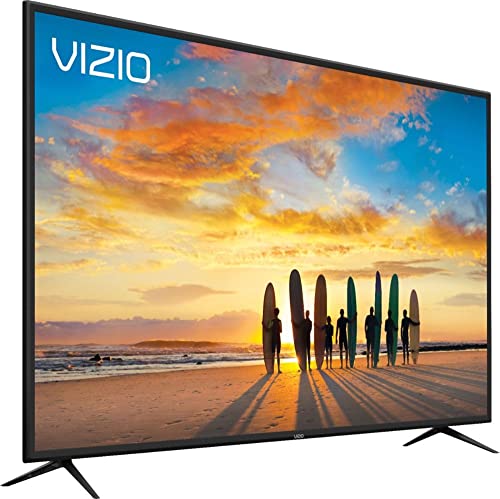
Vizio M-Series Quantum - Best Affordable Smart TV
Vizio’s M-Series Quantum delivers a quantum dot panel with 1,200 nits brightness and decent HDR performance for its price. It includes two HDMI 2.0 ports and supports HDR10+ but not Dolby Vision. The SmartCast platform gives access to major streaming services and built‑in Chromecast. While not as bright as higher‑end models, it offers solid picture quality for budget‑conscious buyers.
What matters most
What to consider
When selecting a 4K TV, start by assessing the viewing environment. Bright rooms benefit from Mini LED or QLED panels that can reach higher nits, while darker spaces allow OLEDs to showcase deeper blacks. HDR support is another key factor; Dolby Vision offers the most dynamic range, but HDR10+ is also widely adopted.
What to consider
Gaming performance has become a major buying criterion. Look for HDMI 2.1, a 120 Hz refresh rate, and low input lag (under 15 ms). Smart platform usability is also important; Tizen, webOS, Roku, Google TV, and SmartCast each have unique strengths, so choose the one that matches your app preferences and voice‑assistant ecosystem. Finally, balance these features against your budget to find the model that delivers the best overall value for your home.
Frequently asked
Yes, HDMI 2.1 cables are required to fully benefit from higher refresh rates, variable refresh rate and eARC. Look for certified Ultra High Speed HDMI cables.
Samsung and LG lead the market with Premium HDR and Dolby Vision support, delivering the brightest highlights and deepest blacks.
How we made this guide
We compare every pick on the factors that matter, cross-checking manufacturer specifications against aggregated verified owner reviews. We rank independently and never take payment for placement. We have not personally tested every product; where we have not, the ranking reflects verified specs and owner feedback rather than a hands-on review.
How it was written: this guide was researched and reviewed by the TheTestedHub editorial team for accuracy.
Affiliate disclosure: TheTestedHub is reader-supported. When you buy through links on our site, we may earn a commission at no extra cost to you.

